Amygdala Overactivity Linked to Persistent Negative Mood
featured 72649

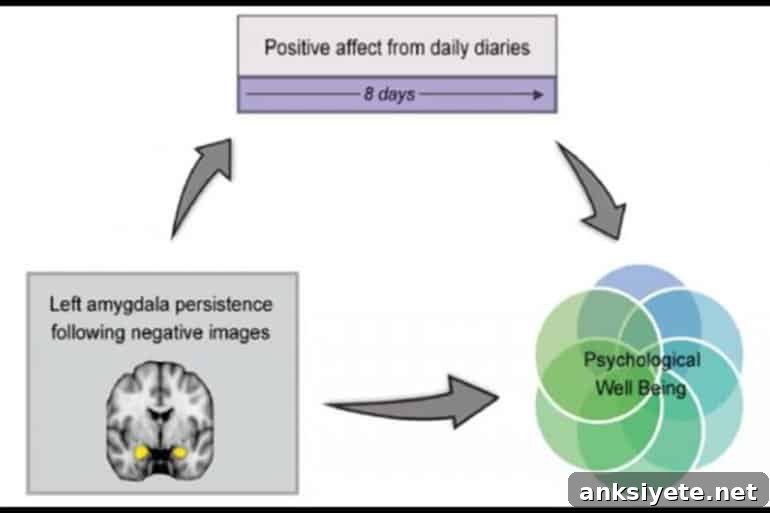
Summary: New research shows that when the amygdala remains active after viewing negative images, it continues to respond to subsequent neutral stimuli. This persistent activity is associated with higher day-to-day negative mood and lower positive mood, which in turn relates to psychological well-being. Source: SfN How the amygdala responds to negative images and to neutral … Read more

Optogenetics Flips the Fertility Master Switch

featured 24356

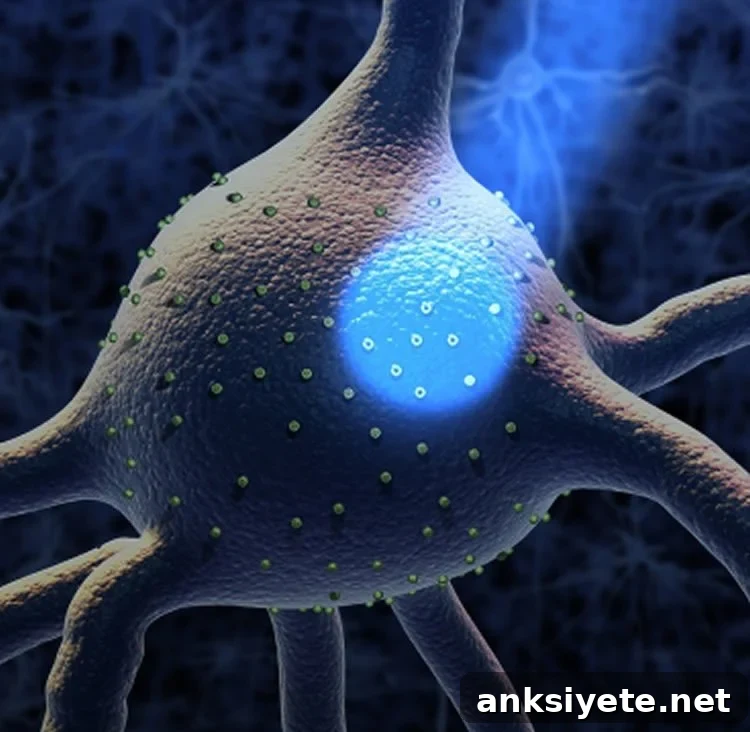
New Zealand Scientists Identify Key Neural Mechanism That Controls Fertility Pulses Researchers in New Zealand have taken a major step toward understanding how the brain’s master control of reproduction generates the hormone pulses essential for fertility. Scientists at the University of Otago Centre for Neuroendocrinology report the first direct evidence that synchronized activity among kisspeptin … Read more

Touch Neurons Identified as Cause of Chronic Eczema Itch

featured 117457

Summary: A University of Michigan study has revealed a previously hidden sensory pathway that explains how fine touch-sensitive hairs produce itching sensations. The researchers identified a specialized population of touch-sensitive neurons that connect to very small, vellus-like hairs in mice—structures analogous to the fine “peach fuzz” hairs found across the human body. This discovery isolates … Read more

Relaxing COVID-19 Controls Could Trigger a Second Wave

featured 64044

Summary: A mathematical model using real-time monitoring of COVID-19 transmissibility and severity recommends carefully calibrated control strategies to reduce the risk of a second wave of infection in mainland China. Source: The Lancet New modelling published in The Lancet indicates that China’s stringent control measures appear to have suppressed the first wave of COVID-19 in … Read more

How Spotting Misinformation Improves Memory

featured 38034

Summary: Researchers report that, in some cases, exposure to misinformation can strengthen memory for an event. Source: APS. Detecting Misinformation Can Improve Memory Although exposure to false information about an event is commonly thought to impair memory for the original details, new research shows a more nuanced picture. A study published in Psychological Science finds … Read more

ALS Drug May Slow Alzheimer’s Progression, Study Finds

featured 76231

Summary: Riluzole, a medication long used to slow progression in ALS, appears to slow the decline in brain metabolism and to improve cognitive measures in people with mild Alzheimer’s disease. Source: ADDF Riluzole, an established drug prescribed for amyotrophic lateral sclerosis (ALS) for more than two decades, showed promising results in a phase 2 pilot … Read more

Brain Patterns in Top Traders Predict Stock Market Bubbles

featured 15335

Researchers find link between brain activity and sensitivity to stock market bubbles If you consider yourself intelligent but your portfolio doesn’t reflect it, the explanation might lie in how your brain responds to market signals. New experimental work suggests that specific patterns of neural activity influence how people form and respond to economic bubbles. In … Read more

Botox for Anxiety: How Injections Can Reduce Symptoms

featured 79558

Summary: Analysis of U.S. postmarketing safety reports suggests that patients who received botulinum toxin (Botox) injections at several body sites—beyond the forehead—reported anxiety substantially less often than patients treated with alternative therapies for the same conditions. Source: UCSD Botulinum toxin (commonly marketed as Botox) is a medication derived from a bacterial toxin that is widely … Read more

New Study Identifies Key Predictor of Children’s Vocabulary

featured 23124

Infants’ ability to relate words to objects at 12 months linked to language skills at 18 months New research from Northwestern University shows that how precisely a 12-month-old links spoken labels to object categories predicts the size of that child’s vocabulary both at 12 months and again at 18 months. In other words, infants who … Read more

How Optimism Fuels Success for Dreamers

featured 84278

Summary: Although popular culture urges us to “dream big,” new research shows the need to temper those aspirations with an understanding of how social circumstances shape what people imagine for their futures. Source: Rutgers University “Social location” — the position a person occupies in society because of class, race, gender, age, life stage or disruptive … Read more