
New Zealand Scientists Identify Key Neural Mechanism That Controls Fertility Pulses
Researchers in New Zealand have taken a major step toward understanding how the brain’s master control of reproduction generates the hormone pulses essential for fertility.
Scientists at the University of Otago Centre for Neuroendocrinology report the first direct evidence that synchronized activity among kisspeptin neurons produces the episodic pulses of gonadotropin-releasing hormone (GnRH) that are vital for normal reproductive function in mammals, including humans.
The study is published in the journal Proceedings of the National Academy of Sciences (PNAS) and was led by Professor Allan Herbison. It addresses a long-standing question in reproductive neurobiology: which cells and circuits generate the rhythmic GnRH signals that drive downstream hormone release?
Why GnRH pulses matter
GnRH is released from neurons in the hypothalamus in short, recurring bursts. Those pulses trigger the pituitary gland to secrete luteinizing hormone (LH) and follicle-stimulating hormone (FSH) in a pulsatile pattern. The timing and frequency of these pulses are critical to normal pubertal development, ovulation, and fertility.
Disorders of pulsatile hormone release are a common cause of infertility. For example, polycystic ovary syndrome (PCOS), a leading cause of female infertility, is associated with abnormally rapid GnRH/LH pulse frequency. Conversely, insufficient or absent pulsatility can also prevent normal reproductive function. Understanding the cellular origin of the pulse generator is therefore essential to designing targeted therapies.
How the study was done
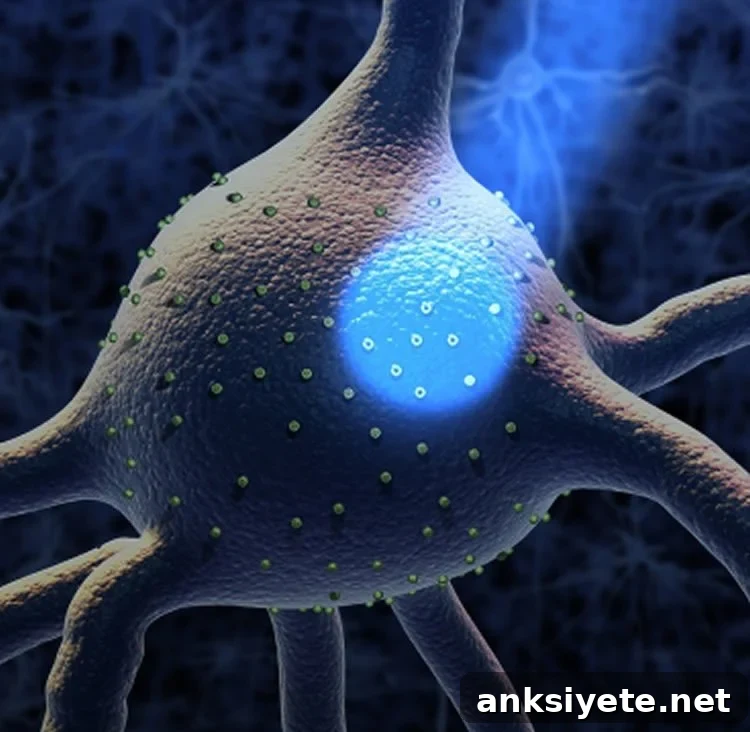
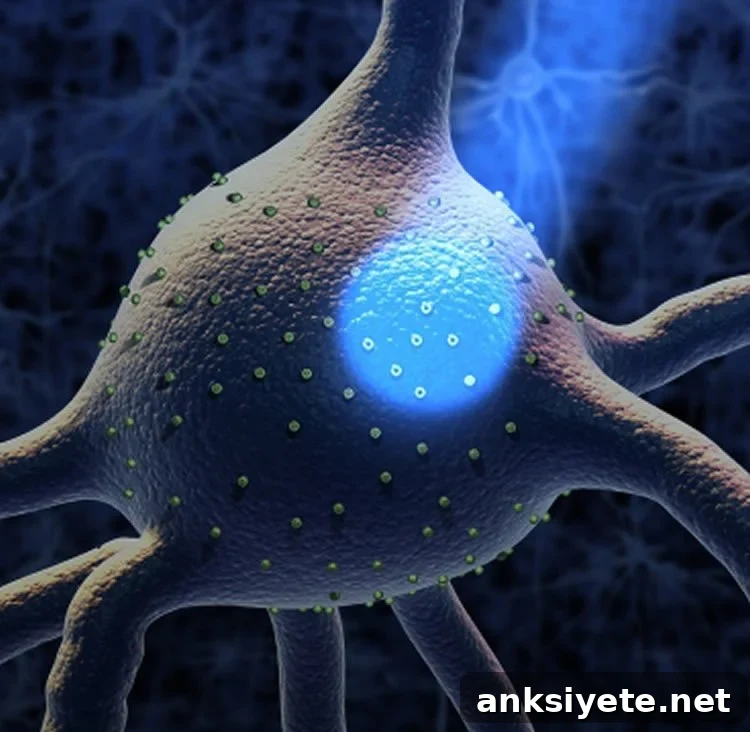
Using mice as a model, the Otago team employed state-of-the-art optogenetic methods to selectively activate a small population of kisspeptin neurons located in a specific region of the hypothalamus. Optogenetics allows researchers to control the electrical activity of genetically defined neurons with pulses of light, providing precise temporal control to mimic natural firing patterns.
When the researchers stimulated these kisspeptin neurons, they observed robust, episodic rises in LH secretion measured in blood samples, demonstrating that coordinated activation of this neuronal population is highly effective at initiating the downstream hormone pulses. Crucially, when the same stimulation was applied to mice whose GnRH neurons lacked kisspeptin receptors, no LH pulses were produced, showing that kisspeptin signaling onto GnRH neurons is necessary for pulse generation in this model.
Implications for infertility and treatments
These findings support the concept that the pulse generator for GnRH depends on a network that includes kisspeptin neurons acting in synchrony, rather than being driven solely by GnRH neurons themselves. That mechanistic insight has practical implications: therapies designed to correct pulse frequency could target kisspeptin signaling or the circuitry that coordinates these neurons.
Professor Herbison notes that up to one-third of female infertility cases may involve dysfunction in the brain circuitry under study. A better understanding of how pulse frequency and amplitude are regulated opens new avenues for treating conditions such as PCOS, delayed puberty, and other disorders of reproductive timing, by either enhancing or suppressing pulsatile GnRH output as required.
Background and funding
*A brief note on terminology: “kisspeptin” was named by researchers in Hershey, Pennsylvania, after the Hershey’s Kiss chocolate; it was named before its role in reproductive regulation was understood.
Funding: This research was supported by grants from the Health Research Council of New Zealand and the Royal Society’s Marsden Fund.
Source: Allan Herbison — University of Otago
Original Research: The study was published in PNAS during the week of October 5, 2015.
By demonstrating that coordinated kisspeptin neuron activity is both powerful and necessary for generating LH pulses in mice, the study provides a clearer target for translating basic neuroendocrine understanding into clinical approaches. Future research will build on these results to explore how the timing of pulses is set and how external signals—such as sex steroids, metabolic cues, and stress—modulate this pacemaking circuitry.