
Summary: A new study shows that the developmental stage when trauma occurs—more than the specific type of trauma—largely determines the pattern of long-term behavioral and brain changes observed in adulthood.
Using controlled mouse models together with analyses of a patient cohort, researchers mapped distinct “vulnerability windows” across development. They found that traumatic experiences occurring at different ages permanently reshape particular brain regions and molecular pathways, producing persistent outcomes such as aggression, social withdrawal, attention problems, and generalized anxiety.
Key Research Findings
- The Timing Rule: The study emphasizes that the developmental period—early childhood, childhood, adolescence, or young adulthood—is the principal factor predicting how trauma later presents as dysfunctional behavior.
- Behavioral Specificity:
- Childhood trauma is associated primarily with impaired social interaction and related social behaviors.
- Adolescent trauma is more likely to lead to increased aggression and dominant behaviors.
- Anxiety symptoms were observed across all developmental periods, appearing as a common outcome regardless of timing.
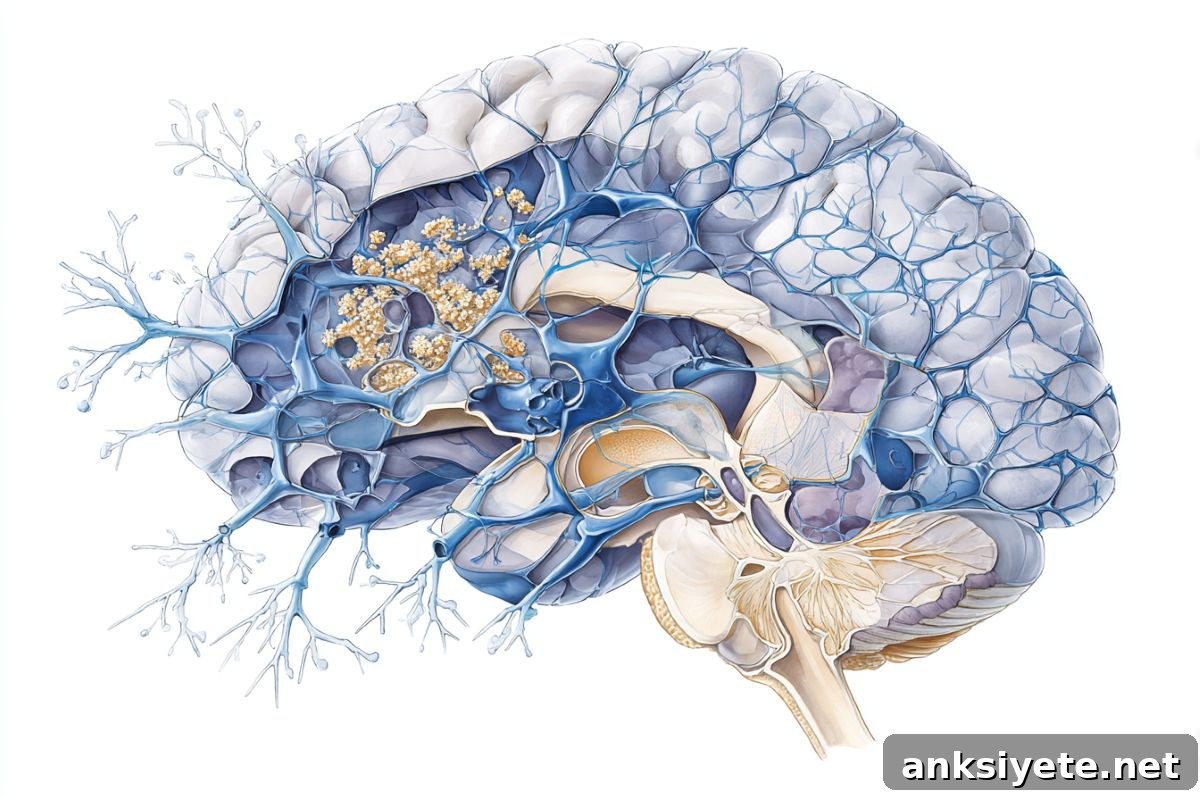
- Targeted Brain Regions: Traumatic events experienced early in life preferentially alter the amygdala, hippocampus, and hypothalamus, whereas trauma at later stages tends to affect the prefrontal cortex, a region involved in impulse control and executive function.
- Biological “Recording”: The researchers found persistent molecular signatures in the brain after trauma, including activation of processes such as programmed cell death, oxidative stress, and membrane vesicle biogenesis, which collectively “record” the experience in brain structure and function.
- Potential Therapeutic Target: The Brain-Derived Neurotrophic Factor (BDNF) pathway emerged as a candidate for intervention. Modulating BDNF-related plasticity may reduce the impact of trauma occurring during young adulthood, suggesting age-specific therapeutic windows.
Research institutions and team
This research was led by teams at the Istituto Italiano di Tecnologia (IIT) in Genoa in collaboration with the IRCCS Istituto Giannina Gaslini in Genoa, Italy. The study was coordinated by Laura Cancedda (Brain Development and Disease unit) and Valter Tucci (Genetics and Epigenetics of Behavior unit). Collaborators included the Clinical Proteomics Laboratory and the Core Facility for Omics Sciences directed by Andrea Petretto, and the Child Neuropsychiatry Unit directed by Lino Nobili, with contributions from Sara Uccella, specialist in Child Neuropsychiatry and researcher at the University of Genoa.
The findings were published in Cell Reports Medicine and the work received support from the Fondo Italiano per la Scienza (FIS Advanced) of the Italian Ministry of University and Research (MUR), awarded to Cancedda in 2025.
It is already established that traumatic experiences increase the risk of psychiatric disorders such as post-traumatic stress disorder (PTSD), but why similar experiences produce widely different outcomes has been less clear. By integrating animal-model experiments with clinical and omics analyses in human subjects, this study demonstrates that developmental timing explains much of the variability: a single type of traumatic event can lead to diverse adult behaviors depending on the age at exposure, because different brain regions are in peak periods of growth and wiring at different ages.
Omics and proteomic analyses revealed durable molecular changes that correspond to the affected brain regions and behavioral profiles. These biological signatures include alterations in cell death pathways, oxidative stress responses, and membrane-vesicle biogenesis—mechanisms that can alter neuronal connectivity and function long-term.
Identifying BDNF signaling as a modulatable pathway highlights an opportunity for targeted interventions. Because BDNF is a central regulator of synaptic plasticity, therapies aimed at restoring or adapting BDNF-dependent plasticity could be tailored to the age at which trauma occurred, opening the door to more personalized treatments for trauma-related neuropsychiatric conditions.
Key Questions Answered:
A: The brain develops in sequential waves. Trauma that occurs during a “critical window” disrupts the specific brain region undergoing rapid maturation at that time. For instance, the prefrontal cortex matures late, making it especially vulnerable during adolescence.
Q: Can these “trauma imprints” be erased?
A: Trauma leaves durable molecular and structural signatures, but the discovery of age-specific molecular targets like the BDNF pathway suggests that the brain’s plasticity can be harnessed therapeutically, particularly if interventions are matched to the developmental timing of the trauma.
Q: Does this explain why two people can respond differently to the same event?
A: Yes. If one individual experienced trauma in early childhood and another in adolescence, the underlying brain regions and maturational processes affected would differ, leading to distinct psychological outcomes despite identical external events.
Editorial Notes:
- This article was edited by a Neuroscience News editor.
- The journal paper was reviewed in full by the editorial team.
- Additional context and clarifications were added by staff to summarize implications for clinical research and personalized treatment approaches.
About this PTSD and neurodevelopment research news
Author: Valeria delle Cave
Source: IIT (Istituto Italiano di Tecnologia)
Contact: Valeria delle Cave – IIT
Image: The image is credited to Neuroscience News
Original Research: Findings published in Cell Reports Medicine.