
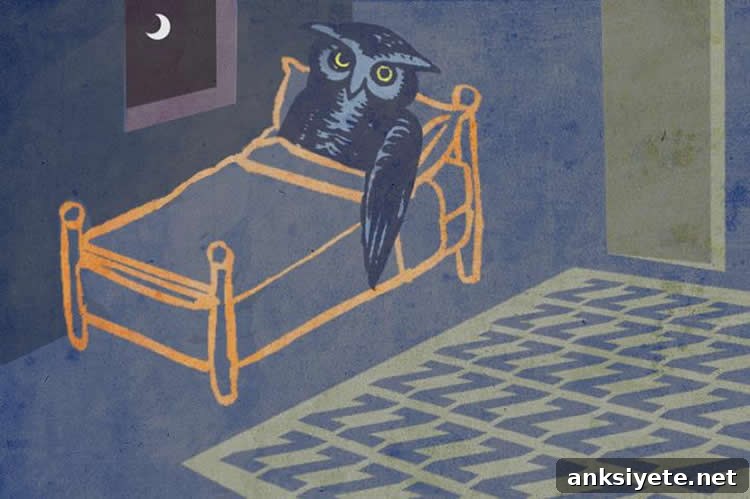
Study Links Earlier Bedtimes and Adequate Sleep to Healthier Heart-Related Habits
Researchers are not prescribing a strict bedtime, but new evidence shows that both how long you sleep and when you sleep are closely tied to behaviors that affect cardiovascular health. A multi-institutional team led by Freda Patterson of the University of Delaware found that going to bed earlier and getting an adequate amount of sleep is associated with healthier choices that protect the heart.
Previous research has connected sleep loss and poor sleep quality to obesity and a range of health issues. This study, however, emphasizes that promoting heart-healthy behavior is less about simply increasing total sleep and more about achieving the right amount of sleep at the right times.
The study suggests that sufficient sleep at earlier bedtimes correlates with fewer risky behaviors—such as smoking, prolonged screen-based sitting, and low fruit and vegetable intake—that contribute to cardiovascular disease.
“Sleep may act upstream of many behaviors linked to heart disease,” said Patterson, assistant professor of behavioral health and nutrition. “If sleep is a modifiable central risk factor, improving sleep timing and duration could help reduce persistent cardiovascular risks like tobacco use.”
The research, published in the Annals of Behavioral Medicine, analyzed how habitual sleep duration and chronotype (an individual’s tendency to be a morning or evening person) relate to three major cardiovascular risk behaviors: smoking, diet, and sedentary screen time.
Using data from the UK Biobank, the investigators examined responses from 439,933 adults aged 40–69 collected between 2006 and 2010. Participants reported their typical sleep length and whether they considered themselves a morning person, more morning than evening, more evening than morning, or an evening person. They also provided information on physical activity, daily hours of computer use and television viewing, daily servings of fruits and vegetables, and average cigarettes smoked per day.
Key sleep categories used by the researchers were: short sleep (less than six hours), adequate sleep (seven to eight hours), and long sleep (nine hours or more). The analysis controlled for sociodemographic factors and assessed associations between sleep patterns and heart-risk behaviors.
Overall findings showed that people with short or long sleep durations and those with a late chronotype were more likely to smoke, spend more time in screen-based sedentary activities, and consume fewer fruits and vegetables compared with adequate sleepers and earlier chronotypes.
Patterson noted that the results challenge the simple message of “just get more sleep.” “Too much sleep appears to be linked with cardiovascular risk behaviors as well,” she said. “Going to bed earlier and obtaining an adequate amount of sleep were connected with healthier heart-related habits.”
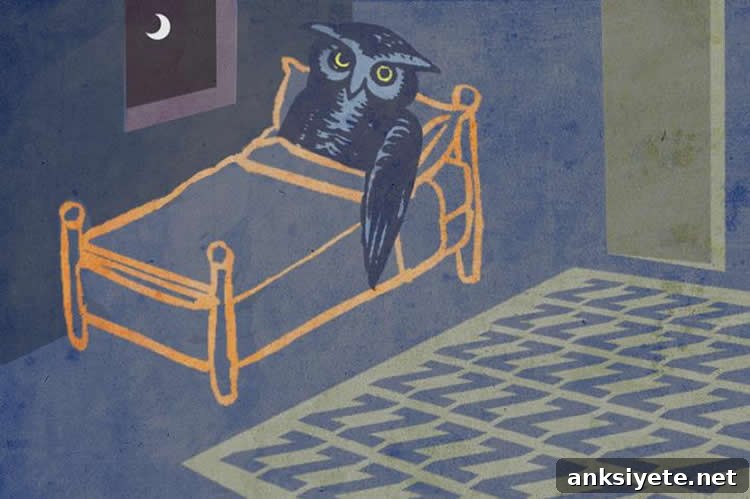
The American Heart Association estimates that only a small fraction of adults meet ideal standards for diet, activity, and tobacco avoidance—underscoring how many people could benefit from changes in sleep and lifestyle. The study’s authors point to the bidirectional relationship between sleep and activity: individuals who are active often sleep better, and those with poor sleep tend to be less active.
Data limitations include a largely self-reported dataset and restricted population diversity; approximately 95% of respondents were white. These constraints mean the findings should be validated with more diverse samples and with objective sleep and circadian measures.
Although this research focuses on sleep and cardiovascular risk behaviors, it is the second collaborative study by these authors. Their earlier work examined demographic and cardiovascular differences across sleep patterns.
Funding: Supported by the Robert Wood Johnson Health and Society Scholars program at the University of Pennsylvania.
Source: Peter Bothum, University of Delaware.
Image credit: Jeffrey C. Chase, University of Delaware.
Original research: “Smoking, Screen-Based Sedentary Behavior, and Diet Associated with Habitual Sleep Duration and Chronotype: Data from the UK Biobank” by Freda Patterson, Susan Kohl Malone, Alicia Lozano, Michael A. Grandner, and Alexandra L. Hanlon, Annals of Behavioral Medicine. Published online April 7, 2016. doi:10.1007/s12160-016-9797-5
Abstract
Smoking, Screen-Based Sedentary Behavior, and Diet Associated with Habitual Sleep Duration and Chronotype: Data from the UK Biobank
Background: Sleep duration has been associated with obesity, but less is known about how sleep patterns relate to other behavioral risk factors for cardiovascular disease.
Purpose: To examine associations between habitual sleep duration, chronotype, and four behavioral risk factors: physical activity, screen-based sedentary behavior, tobacco use, and dietary intake.
Methods: Cross-sectional regression models analyzed sleep duration and chronotype as predictors of cardiovascular risk behaviors in 439,933 adults enrolled in the UK Biobank.
Results: Short sleepers were 45% more likely to smoke than adequate sleepers (9.8% vs. 6.9%). Late chronotypes were more than twice as likely to smoke as intermediate chronotypes (14.9% vs. 7.4%). Long sleepers reported an average of 0.61 more hours of television per day than adequate sleepers. Early chronotypes reported 0.20 fewer daily hours of computer use than intermediate types and consumed, on average, 0.25 more servings of fruit and 0.13 more servings of vegetables per day than late chronotypes.
Conclusions: Both short and long sleep durations, as well as a late chronotype, are associated with a greater likelihood of cardiovascular risk behaviors. Future research should confirm these associations with objective sleep and circadian measures, in more diverse populations, and test whether promoting adequate sleep and earlier timing improves heart health prospectively.