
Summary: A study examines how exposure to a major natural disaster may accelerate molecular signs of aging in the immune systems of rhesus macaques.
Source: Arizona State University
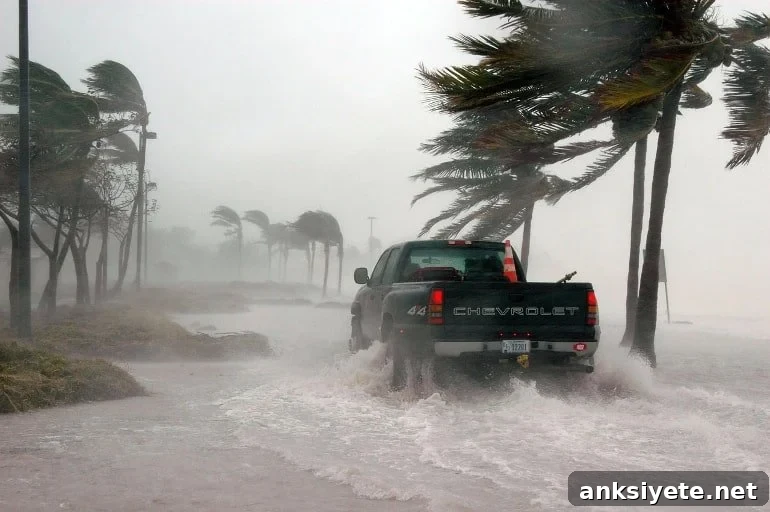
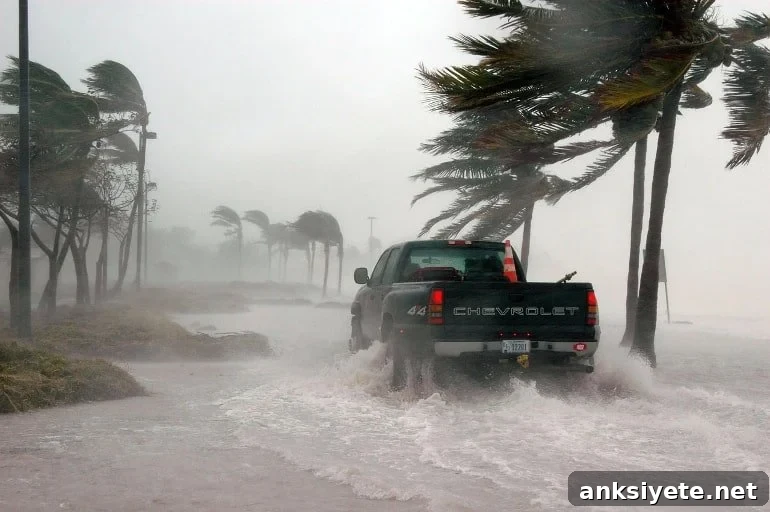
When Hurricane Maria struck Puerto Rico in September 2017 as a powerful category 4 storm, it caused historic destruction across the island. The immediate aftermath claimed thousands of lives, left nearly the entire population without power, and produced catastrophic economic and infrastructural damage.
Beyond the immediate loss, researchers have asked what long-term impact such extreme stressors have on health, and specifically whether surviving an intense weather event can accelerate biological aging.
“Everyone ages, but not at the same rate. Life experiences—particularly severe adversity—can change the pace of aging and increase chronic inflammation and the risk for age-related diseases like cardiovascular disease,” said corresponding author Noah Snyder‑Mackler, an assistant professor at Arizona State University’s School of Life Sciences.
“However, we still lack a clear picture of how these traumatic events become biologically embedded and lead to health effects that may only appear years or decades later.”
To probe these questions, Snyder‑Mackler and colleagues turned to a long-studied group of free-ranging rhesus macaques living on Cayo Santiago, an isolated island off Puerto Rico that has housed a research population since 1938. The hurricane damaged both the island’s ecosystem and research infrastructure, offering a rare opportunity to study the biological aftermath in a nonhuman primate population that shares many physiological features with humans.
Led by Snyder‑Mackler and lead author Marina Watowich—a graduate student at the University of Washington and research scientist at ASU—researchers from the Caribbean Primate Research Center, the University of Pennsylvania, the University of Exeter and New York University analyzed immune system gene expression to assess whether the hurricane produced molecular signatures consistent with accelerated aging.
Accelerated aging
Although Hurricane Maria destroyed much of Cayo Santiago’s vegetation and damaged the field station’s water and research systems, the immediate mortality among the macaques was relatively low. Still, researchers asked whether surviving the storm had subtler effects on health that would not show as short-term mortality but might appear in molecular measures linked to aging.
Chronological age (years since birth) does not always correspond to biological age, which can be estimated from molecular markers in genes, immune cells and physiology. Prior human studies show that severe adversity increases risk for diseases common in older age, but the mechanisms that embed these experiences at the molecular level remain unclear.
“In our study, we measured molecular markers associated with aging, including changes in genes involved in protein folding, increased expression of inflammatory immune-cell markers, and signatures of older biological age,” said Watowich.
Their analysis of immune-cell gene expression revealed that exposure to the hurricane was associated with changes consistent with accelerated immunological aging. On average, macaques sampled after the storm showed immune gene expression profiles corresponding to roughly two additional years of biological aging—equivalent to about seven to eight human years given the macaques’ shorter lifespan, Watowich noted.
These findings imply that intense weather events—more likely to occur and intensify with ongoing climate change—can leave a lasting biological imprint that may increase vulnerability to age-related disease.
Biological aging
Cayo Santiago, a 15.2‑hectare island about one kilometer off Puerto Rico’s southeast coast, supports a population of roughly 1,800 free-ranging rhesus macaques and has been a focus of long-term behavioral and biological research. The macaques’ accelerated life history—aging in about one quarter of the human rate—allows scientists to observe age-associated changes over shorter timescales.
To assess Hurricane Maria’s impact, the team used archived blood samples and detailed demographic records to compare immune gene expression in age-matched groups sampled one to four years before the hurricane (n = 435) and one year after (n = 108). A global analysis revealed that about 4% of genes expressed in immune cells differed after the hurricane.
Genes with increased expression after the storm were largely related to inflammatory processes. In contrast, genes with reduced expression were linked to protein translation and folding, the adaptive immune response, and T cell function. Heat shock genes, which assist proper protein folding and protect proteostasis, showed marked downregulation—some with roughly half the activity observed before the storm. These heat shock pathways have been implicated in conditions such as cardiovascular disease and neurodegeneration.
Importantly, the changes associated with hurricane exposure mirrored many age-associated changes in gene expression, suggesting the storm produced effects similar to accelerated immunological aging.
Using single-cell RNA sequencing to examine cell-type–specific patterns, the researchers found higher expression of markers for pro-inflammatory cell types, such as CD14+ monocytes, in older animals and those exposed to the hurricane. Conversely, markers for helper T cells—cell types associated with anti-inflammatory responses—decreased with age and with hurricane exposure. Together, these shifts point toward heightened inflammatory activity in animals after the storm, paralleling patterns seen in normal aging.
Getting under the skin
The study leveraged four years of pre-hurricane data and one year of post-hurricane samples collected through long-term collaborations with the Caribbean Primate Research Center and partner institutions. The researchers hypothesized that surviving the hurricane would reproduce molecular signatures typically associated with aging—and their data supported that hypothesis.
“Our results show that immune cell gene regulation is a likely mechanism through which severe natural disasters can become biologically embedded and drive age-related molecular changes,” said Watowich. “We also observed evidence consistent with accelerated biological aging in samples collected after animals experienced Hurricane Maria.”
Not all individuals were affected equally. Some macaques showed much larger increases in biological age than others, indicating that variation in environmental or social factors may influence resilience. Social support, for example, is a key buffer against adversity in humans and likely plays a role in macaque social networks as well; the team plans to investigate whether social connections moderated post-storm effects.
The study has limitations, including the inability to measure aging trajectories within the same individuals both before and after the hurricane. Future research aims to track individuals longitudinally to better understand how adversity, social structure and biological aging interact over time.
Ultimately, the researchers hope their findings will help motivate further study into how natural disasters affect aging biology and inform strategies to reduce long-term health burdens following extreme events.
About this aging research news
Author: Press Office
Source: Arizona State University
Contact: Press Office – Arizona State University
Image: The image is in the public domain
Original Research: Closed access. “Natural disaster and immunological aging in a nonhuman primate” by Marina Watowich et al. PNAS
Abstract
Natural disaster and immunological aging in a nonhuman primate
Weather-related disasters are increasing in frequency and severity, leaving survivors to contend with mental, financial and physical hardships. Such adversity can worsen existing health conditions, precipitate new ones, and elevate mortality risk—characteristics that resemble features of advanced age—raising the possibility that extreme weather events may accelerate biological aging.
To test this idea, the study examined the impact of Hurricane Maria on immune cell gene expression in large, age-matched cross-sectional samples from free-ranging rhesus macaques (Macaca mulatta) on an isolated island. A cross section of macaques was sampled one to four years before (n = 435) and one year after (n = 108) the hurricane. Hurricane Maria was significantly associated with differential expression of about 4% of immune-cell-expressed genes, and these effects correlated with age-associated gene expression changes.
The researchers found that individuals exposed to the hurricane had gene expression patterns that were, on average, 1.96 years biologically older than those not exposed—roughly equivalent to seven to eight human years. Surviving the severe hurricane and its aftermath was linked to altered expression of key immune genes, disruption of proteostasis networks, and increased expression of inflammatory immune cell marker genes.
Collectively, these findings highlight potential mechanisms by which the adversity from extreme weather events may become biologically embedded, accelerate age-related molecular immune phenotypes, and contribute to earlier onset of disease and death.