
Summary: New research suggests that neuron loss in Alzheimer’s disease may sometimes be protective. The study indicates that the removal of dysfunctional neurons can result from an intrinsic cell quality control mechanism that helps limit damage to brain circuits.
Source: Champalimaud Center for the Unknown.
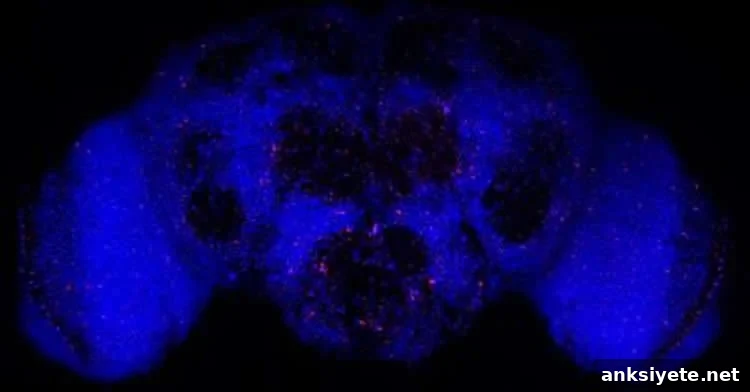
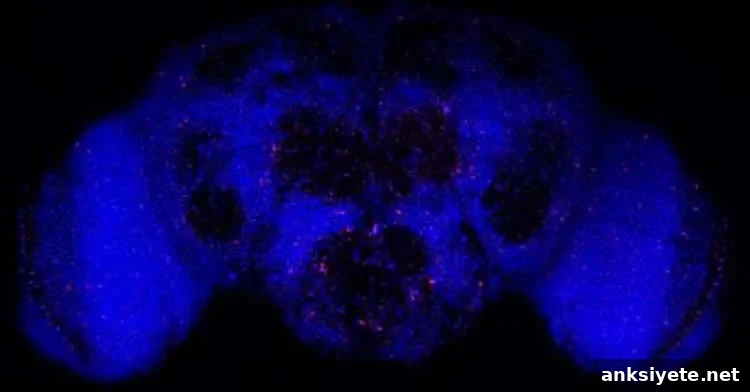
Researchers at the Champalimaud Centre for the Unknown (CCU) in Lisbon, Portugal, report evidence that neuronal death in Alzheimer’s disease (AD) can be a protective process rather than solely harmful. Using genetically modified fruit flies that model key features of human AD, the team found that the loss of certain neurons appears to be driven by a cellular quality control program that removes malfunctioning cells, thereby preserving overall brain function. Their findings were published in the journal Cell Reports.
The cellular program implicated is known as cell competition. Cell competition operates as a tissue-level quality control mechanism in which neighboring cells compare relative fitness; healthier, fitter cells trigger the elimination of less fit cells. This process promotes tissue integrity and has been identified as an important anti-aging mechanism in a variety of organs, including the brain.
“In 2015, our laboratory showed that clearing unfit cells from tissues is a crucial anti-aging strategy to preserve organ function,” says Eduardo Moreno, principal investigator of the Cell Fitness lab at CCU. Building on that work, the researchers asked whether the same fitness comparisons could play a role in neurodegenerative conditions associated with accelerated aging—such as Alzheimer’s, Parkinson’s and Huntington’s diseases. Up to now, this question had not been directly tested.
In collaboration with Christa Rhiner’s Stem Cells and Regeneration lab at CCU, the group examined classic AD hallmarks in Drosophila models. They bred fruit flies genetically engineered to express human amyloid-beta in the brain; amyloid-beta peptides aggregate in the brains of Alzheimer’s patients and are central to disease pathology.
These transgenic flies reproduced several hallmarks of Alzheimer’s disease: progressive loss of long-term memory, signs of accelerated brain aging and declining motor coordination that worsened with age. Rhiner’s team assessed cognitive and motor function to characterize the fly model.
The central question was whether neuronal death in these AD-model flies resulted from cell competition—meaning that neurons were being actively eliminated by healthier neighbors—rather than dying solely through intrinsic failure. The team used genetic manipulations to block or enhance the mechanisms that mediate cell fitness comparisons and neuronal elimination.
“At the outset, the prevailing assumption was that neuron death is always harmful,” explains Dina Coelho, first author of the study. Contrary to that view, the researchers discovered that preventing the removal of less fit neurons made outcomes worse: flies with blocked neuronal elimination developed more severe memory deficits, greater motor impairment, earlier death and accelerated brain degeneration.
Conversely, boosting the cell competition process to accelerate the removal of unfit neurons produced remarkable improvements. Flies expressing amyloid-beta and subjected to enhanced removal of dysfunctional cells recovered much of their memory and locomotive performance and behaved more like healthy controls, even at stages when the untreated AD flies were heavily affected.
These results indicate that the anti-aging mechanism of cell competition remains active in the context of Alzheimer’s-related pathology and that neuronal elimination can protect brain circuits from broader impairment. “The neuronal loss itself is not necessarily the primary problem; allowing dysfunctional neurons to persist may cause greater harm than removing them,” Moreno notes. The study suggests a conceptual shift: in some circumstances, selective neuronal death may be an adaptive response that shields neural networks from the toxic effects of amyloid aggregates.
The findings have potential therapeutic implications. Some molecular pathways that prevent programmed cell death have already been identified, and experimental compounds that modulate these pathways exist. In principle, drugs that relieve inhibition of neuronal elimination could accelerate clearance of damaged neurons and might limit disease progression. Moreno cautions, however, that these experiments were conducted in fruit flies, and further research will be required to determine whether comparable processes operate in the human brain and whether they can be safely targeted.
Source: Maria Joao Soares – Champalimaud Center for the Unknown
Publisher: Organized by NeuroscienceNews.com
Image source: Image credited to Dina Coelho (CCU).
Original research: Open access research article titled “Culling Less Fit Neurons Protects against Amyloid-β-Induced Brain Damage and Cognitive and Motor Decline” by Dina S. Coelho, Silvia Schwartz, Marisa M. Merino, Barbara Hauert, Barbara Topfel, Colin Tieche, Christa Rhiner and Eduardo Moreno in Cell Reports. Published December 26, 2018.
DOI: 10.1016/j.celrep.2018.11.098
Champalimaud Center for the Unknown. “Losing Neurons May Sometimes Not Be That Bad.” NeuroscienceNews. Published December 27, 2018. Retrieved December 27, 2018.
Abstract
Culling Less Fit Neurons Protects against Amyloid-β-Induced Brain Damage and Cognitive and Motor Decline
Alzheimer’s disease is the most common form of dementia and impairs both cognitive and motor function. A pathological hallmark of AD is neuronal loss, yet this feature is not always recapitulated in existing mouse models, leaving the role of neuronal death uncertain. Using a Drosophila model that expresses a secreted form of human amyloid-β42 peptide, the study reproduces key aspects of AD pathology, including neuronal death and long-term memory impairment. The authors show that neuronal apoptosis in this model is driven by cell fitness-dependent culling, which selectively removes impaired neurons from brain circuits. Importantly, selective removal of less fit neurons delays amyloid-β-induced brain damage and mitigates cognitive and motor decline, suggesting that, contrary to common assumptions, certain forms of neuronal death can have a protective effect in Alzheimer’s disease.