
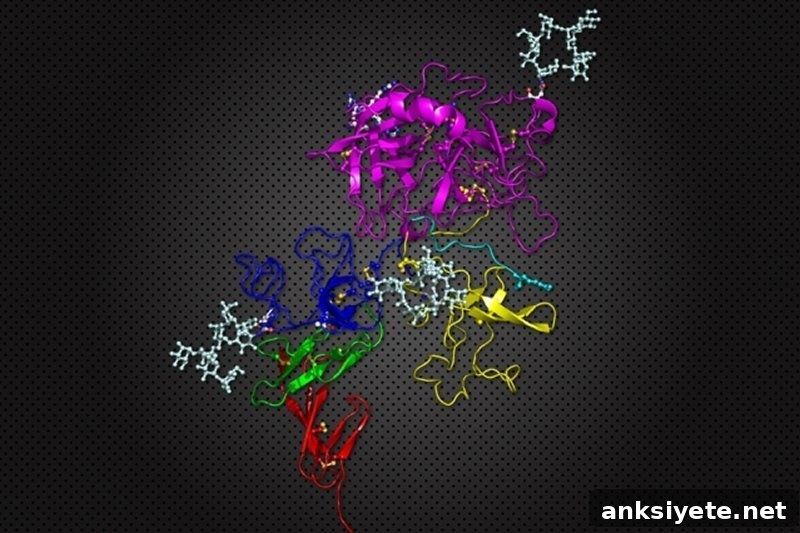
Summary: Tissue plasminogen activators (tPA), FDA-approved drugs commonly used to dissolve clots in heart attack and stroke patients, are being investigated as a potential emergency treatment for severe COVID-19 respiratory failure. Researchers propose using tPA to break up microclots in the lungs when ventilators are ineffective or unavailable.
Source: MIT
Researchers from MIT and the University of Colorado Denver have proposed a rapid, repurposed-drug strategy that could help COVID-19 patients experiencing acute respiratory distress. Their plan centers on using tissue plasminogen activator (tPA), a clot-dissolving protein already stocked in hospital pharmacies, as a stopgap therapy when conventional ventilator support is failing or unavailable.
Teams at three hospitals in Massachusetts and Colorado are preparing to test this approach in critically ill COVID-19 patients. The proposal responds to clinical observations from China and Italy that many severe COVID-19 cases show pronounced blood clotting abnormalities that may worsen or cause respiratory failure.
“If this were to work, which I hope it will, it could potentially be scaled up very quickly, because every hospital already has it in their pharmacy,” says Michael Yaffe, David H. Koch Professor of Science at MIT and an intensive care physician at Beth Israel Deaconess Medical Center.
“We don’t have to make a new drug, and we don’t have to do the same kind of testing that you would have to do with a new agent. This is a drug that we already use. We’re just trying to repurpose it.”
Yaffe is the senior author of a paper outlining this approach. The paper, published in the Journal of Trauma and Acute Care Surgery, lists co-authors from Beth Israel Deaconess Medical Center, MIT, the University of Colorado Denver, and the University of Florida.
Breaking up clots
Data from large cohorts early in the COVID-19 pandemic showed that a minority of infected patients require intensive care and mechanical ventilation, but those who do face high mortality despite maximal support. Concerns about ventilator shortages in some regions have increased interest in alternative or adjunctive therapies that might improve oxygenation or prevent progression to ventilator dependence.
The proposed treatment is informed by decades of research into lung injury and respiratory failure, where blood clotting within the pulmonary circulation is a recognized contributor to impaired oxygen exchange. Tiny clots, or microthrombi, can block blood flow in the lung’s capillaries and prevent blood from reaching the airspaces where oxygen uptake normally occurs.
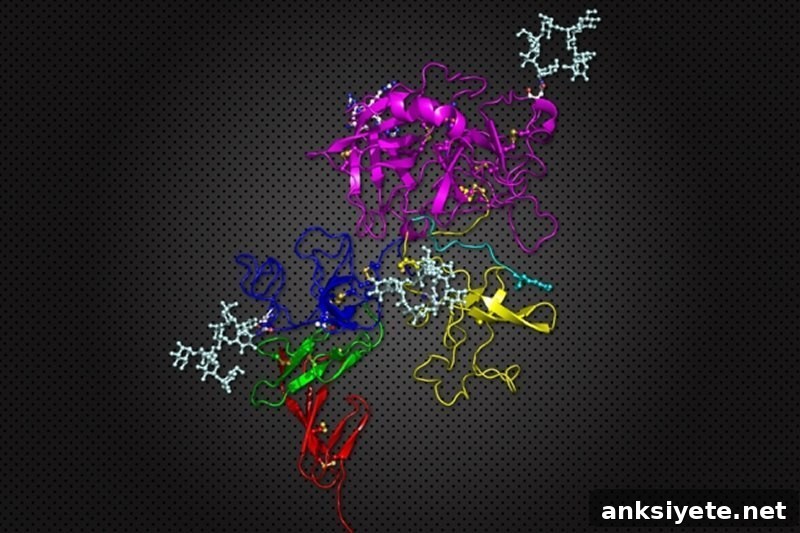
Tissue plasminogen activator (tPA) is a naturally occurring human protein that converts plasminogen to plasmin, the enzyme responsible for breaking down fibrin in blood clots. In acute care, higher doses of tPA are used to dissolve the occlusive clots responsible for certain heart attacks and ischemic strokes. The research team believes that tPA could similarly help dissolve microthrombi in the lungs of patients with COVID-19-related respiratory failure.
Previous animal studies and one small human trial using related plasminogen-activating drugs have suggested potential benefit for treating severe respiratory failure. In the 2001 human study, 20 patients with life-threatening respiratory failure after trauma or sepsis received urokinase or streptokinase; these drugs are different activators of plasminogen. Although these patients were not expected to survive, approximately 30 percent survived after treatment, indicating that fibrinolytic therapy can have a meaningful physiological impact in extreme cases.
That earlier clinical work is the only published human trial to date using plasminogen activators for respiratory failure. For many types of acute lung injury, improvements in ventilation strategies reduced the perceived need for such therapy. However, clinicians treating COVID-19 report a distinct pattern in many critically ill patients—heightened clotting tendencies that affect intravenous lines, kidneys, the heart, and the lungs—suggesting that fibrinolytic therapy deserves renewed consideration for this specific pathology.
“What we are hearing from our intensive care colleagues in Europe and in New York is that many of the critically ill patients with COVID-19 are hypercoagulable,” Yaffe explains. “They are clotting off IVs and suffering kidney and heart complications from blood clots, in addition to lung failure. The preclinical science supports the idea that targeting clot breakdown could be beneficial. The main challenge is identifying the appropriate dose and route of administration for this condition.”
Potential benefits
The investigators plan to administer tPA to selected patients under the FDA’s compassionate use provisions, which allow experimental or off-label therapies when no satisfactory alternatives exist. If early cases show improvement, the protocol could be expanded to larger cohorts.
According to the team, Genentech has donated tPA for the initial trial, and public health agencies have been briefed on the concept. The initial administration strategies under consideration include intravenous infusion—commonly used for stroke and heart attack—and direct instillation into the airways for targeted delivery to the lungs. One proposed regimen involves a rapid dose over two hours followed by a slower infusion over the next 22 hours. Computational modeling by Applied BioMath, a company founded by former MIT researchers, is being used to refine dosing schedules and support decision-making.
“If it were to work, and we do not yet know if it will, this approach could be scaled quickly and have clear public health benefits,” Yaffe says. “It could shorten ventilator dependence for some patients or even prevent the need for mechanical ventilation in others.”
Funding: The hospitals preparing to test this approach include Beth Israel Deaconess Medical Center, the University of Colorado Anschutz Medical Campus, and Denver Health. The foundational research that inspired this proposal received support from the National Institutes of Health and the Department of Defense Peer Reviewed Medical Research Program.
Source:
MIT
Media Contacts:
Anne Trafton – MIT
Image Source:
The image is credited to Wikimedia, MedicineFTWq; edited by MIT News.
Original Research: The study will appear in Journal of Trauma and Acute Care Surgery.