
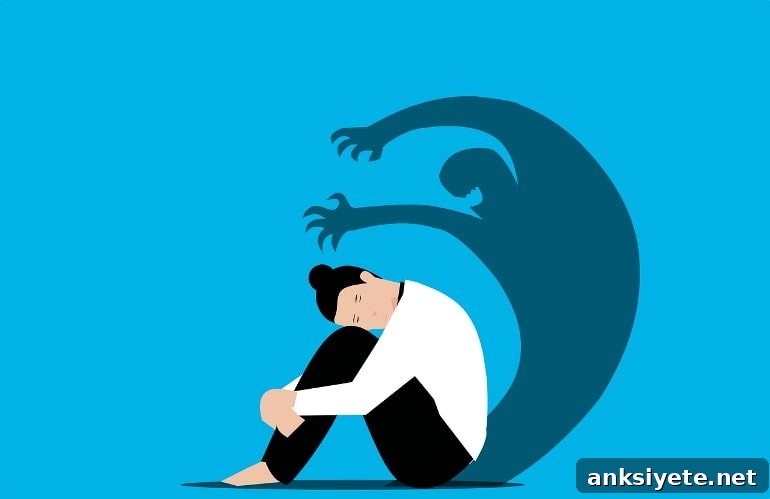
Summary: Analysis of U.S. postmarketing safety reports suggests that patients who received botulinum toxin (Botox) injections at several body sites—beyond the forehead—reported anxiety substantially less often than patients treated with alternative therapies for the same conditions.
Source: UCSD
Botulinum toxin (commonly marketed as Botox) is a medication derived from a bacterial toxin that is widely used to treat cosmetic wrinkles as well as medical conditions including chronic migraine, muscle spasm and spasticity, excessive sweating, and some forms of incontinence.
Researchers at the Skaggs School of Pharmacy and Pharmaceutical Sciences at the University of California San Diego, working with collaborators in Germany, analyzed reports submitted to the U.S. Food and Drug Administration’s Adverse Event Reporting System (FAERS). Nearly 40,000 post-treatment reports related to Botox were examined to identify patterns in reported adverse and beneficial effects.
Their study, published Dec. 21, 2021 in the journal Scientific Reports, found that people receiving Botox injections at four different anatomical sites—beyond just the glabellar (forehead) area—reported new or incident anxiety significantly less often than patients receiving other treatments for the same indications.
“Postmarketing safety databases are usually mined to find harmful side effects that clinical trials may have missed,” said Ruben Abagyan, PhD, professor of pharmacy. “We decided to use the same resource to look for unexpected beneficial effects.”
The team compared reports of anxiety-related symptoms among Botox-treated patients to those among patients treated with alternative therapies for the same conditions. Using statistical algorithms to control for reporting frequency, they identified a significantly lower reported incidence of anxiety in Botox recipients for four of eight evaluated indications and injection sites.
Specifically, reported anxiety risk was reduced by 22 to 72 percent in Botox-treated patients for these indications: cosmetic treatment of facial muscles; migraine treatment involving facial and head muscles; treatment of spasm and spasticity in the upper and lower limbs; and treatment of torticollis involving neck muscles. For the remaining four injection sites analyzed, the available data were insufficient to reach statistically reliable conclusions.
Anxiety disorders are among the most common psychiatric conditions. Large epidemiological surveys have estimated that roughly a third of people in the U.S. experience clinically significant anxiety at some point in life, and existing treatments do not fully relieve symptoms for a substantial subset of patients. These unmet needs motivate researchers to investigate additional therapeutic avenues.
The FAERS database used in this analysis collects voluntary reports of suspected adverse events. It is not a dataset created to study mental health outcomes specifically, and it represents only those patients who or whose caregivers chose to report events. To reduce confounding, the researchers excluded reports that noted concurrent use of antidepressant or anxiolytic medications, though other prescription or over-the-counter drugs may still have been underreported.
This work follows a previous analysis by the same group, published in July 2020, which found that Botox recipients reported depression less often than patients receiving other treatments for the same indications. Both studies observed reductions in reported mood-related symptoms regardless of injection site, which argues against the idea that improved appearance alone explains lower reporting of depression or anxiety.
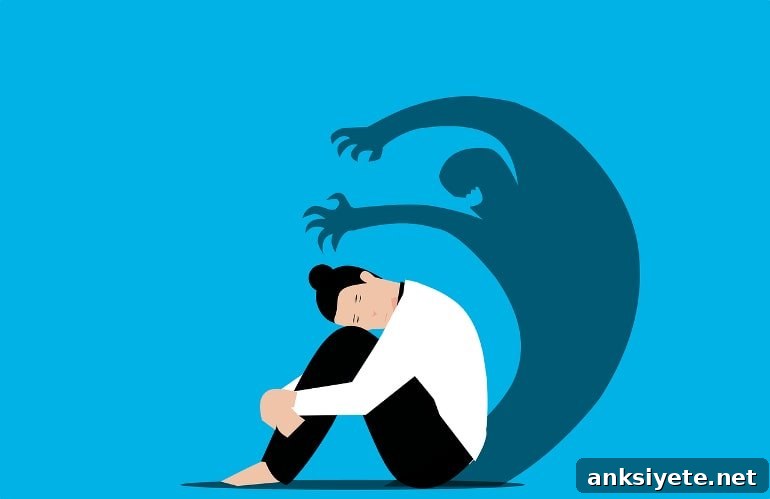
The researchers propose several plausible mechanisms that merit further study: botulinum toxin molecules might be transported to central nervous system regions that regulate mood; altered signaling at Botox-affected neuromuscular junctions might change afferent feedback to the brain; or relief of chronic, anxiety-provoking physical conditions could indirectly lower anxiety. The team notes that the molecular pathways that influence depression and anxiety may overlap but are not identical, so different mechanisms could be responsible for each effect.
Abagyan emphasized that these population-level associations do not establish causation. He and colleagues recommend that randomized controlled trials be conducted to determine whether Botox can be used intentionally to treat anxiety disorders, and to identify optimal injection sites and dosing regimens if efficacy is demonstrated.
The study was led by Ruben Abagyan with co-lead Tigran Makunts, PharmD, a former FDA research fellow now at UC San Diego, and collaborators M. Axel Wollmer and Tillmann H. C. Krüger from Germany. The authors disclosed relevant interests: Ruben Abagyan is a co-founder of Molsoft, LLC and holds equity; M. Axel Wollmer has provided consulting services to Allergan pharmaceuticals.
About this anxiety research news
Author: Corey Levitan
Source: UCSD
Contact: Corey Levitan – UCSD
Image: The image is in the public domain
Original Research: Open access. “Postmarketing safety surveillance data reveals protective effects of botulinum toxin injections against incident anxiety” by M. Axel Wollmer, Tigran Makunts, Tillmann H. C. Krüger & Ruben Abagyan. Scientific Reports.
Abstract
Postmarketing safety surveillance data reveals protective effects of botulinum toxin injections against incident anxiety
Randomized controlled trials have previously demonstrated an antidepressant effect of glabellar botulinum toxin (BoNT) injections. Analysis of the FDA Adverse Event Reporting System (FAERS) showed that BoNT use is associated with reduced reporting of depression across various non-psychiatric indications, supporting antidepressant effects independent of specific patient expectations.
One proposed rationale for using BoNT to treat mood disorders is interruption of proprioceptive feedback from facial musculature, which may reinforce negative emotions. Because negative emotional states also contribute to several other psychiatric conditions, BoNT could have a broader, transdiagnostic therapeutic potential in psychiatry.
In this analysis of FAERS data, compared with alternative treatments, BoNT injections were associated with lower reported incidence of anxiety symptoms and related disorders. The protective association was observed across multiple indications and injection sites, including cosmetic facial treatments, migraine involving facial and head muscles, limb spasm and spasticity, torticollis and neck pain, and sialorrhea affecting parotid and submandibular glands (reporting odds ratios in the range of 0.79–0.27).
These observational findings support the rationale for future randomized controlled trials to evaluate BoNT as a potential treatment for anxiety and related disorders, to clarify underlying mechanisms, and to establish appropriate clinical protocols.