
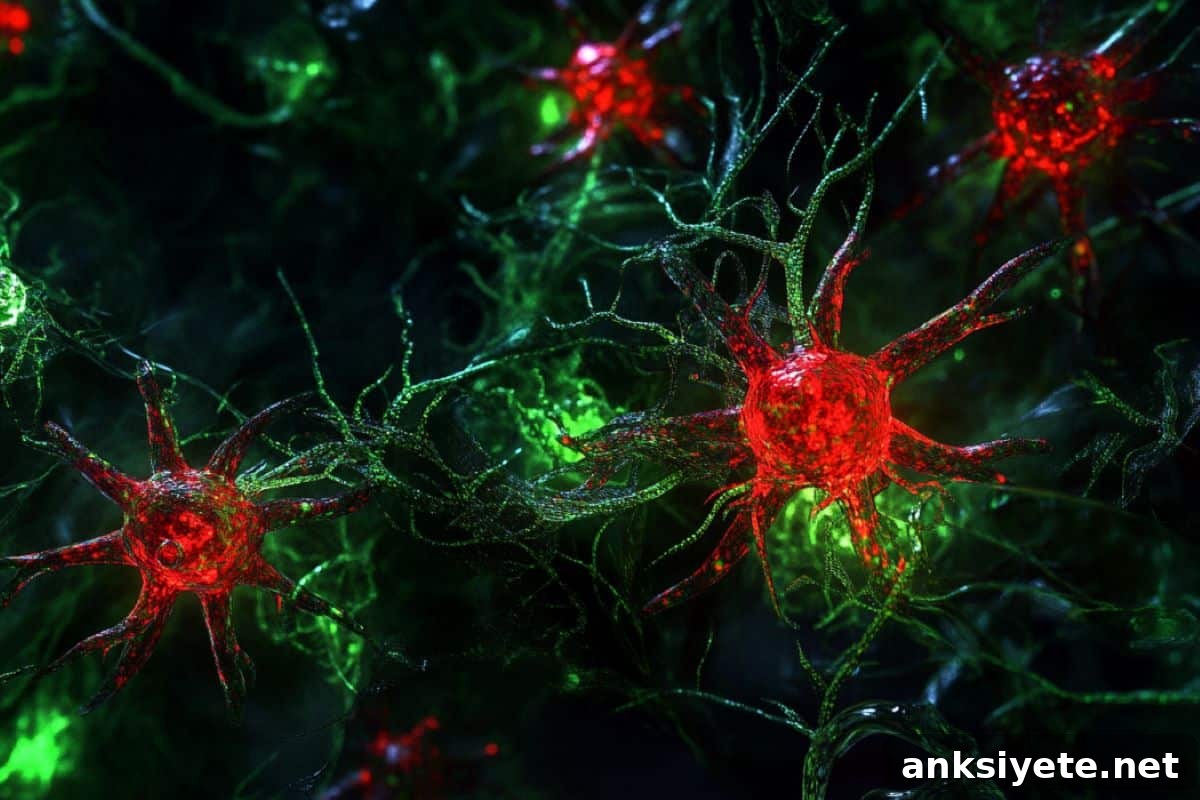
Summary: Astrocytes—star-shaped glial cells abundant in the central nervous system—are increasingly recognized as critical to brain health. New research highlights astrocyte transplantation as a promising approach to restore brain function in neurodegenerative diseases. Transplanted astrocytes can survive long-term, integrate with host tissue, form normal synaptic contacts, and support neural regeneration. Success depends on factors such as the donor cell type, the age of the recipient brain, and the timing and route of transplantation.
Animal studies show that grafted astrocytes can persist for up to a year, adapt to their new environment while retaining regional characteristics, and ultimately resemble native astrocytes in structure and function. These findings point to real therapeutic potential for conditions including amyotrophic lateral sclerosis (ALS), Parkinson’s disease, Huntington’s disease, and Alzheimer’s disease, where loss or dysfunction of neurons and glia contributes to symptoms.
Key facts:
- Astrocyte transplantation can support brain regeneration and restore synaptic function.
- Integration depends on donor cell origin, recipient age, and transplantation site.
- Transplanted astrocytes can survive long-term and gradually adopt native features.
Source: The Conversation
Astrocytes — named for their star-like shape — are as numerous as neurons in the central nervous system, yet their roles in health and disease have been underappreciated.
Many neurological disorders involve loss of specific neural populations. For example, motor neuron death underlies ALS, dopaminergic neuron loss is central to Parkinson’s disease, and loss of GABAergic neurons contributes to Huntington’s disease. Other conditions, such as Alzheimer’s disease, feature broad cell loss within regions that support memory and cognition.
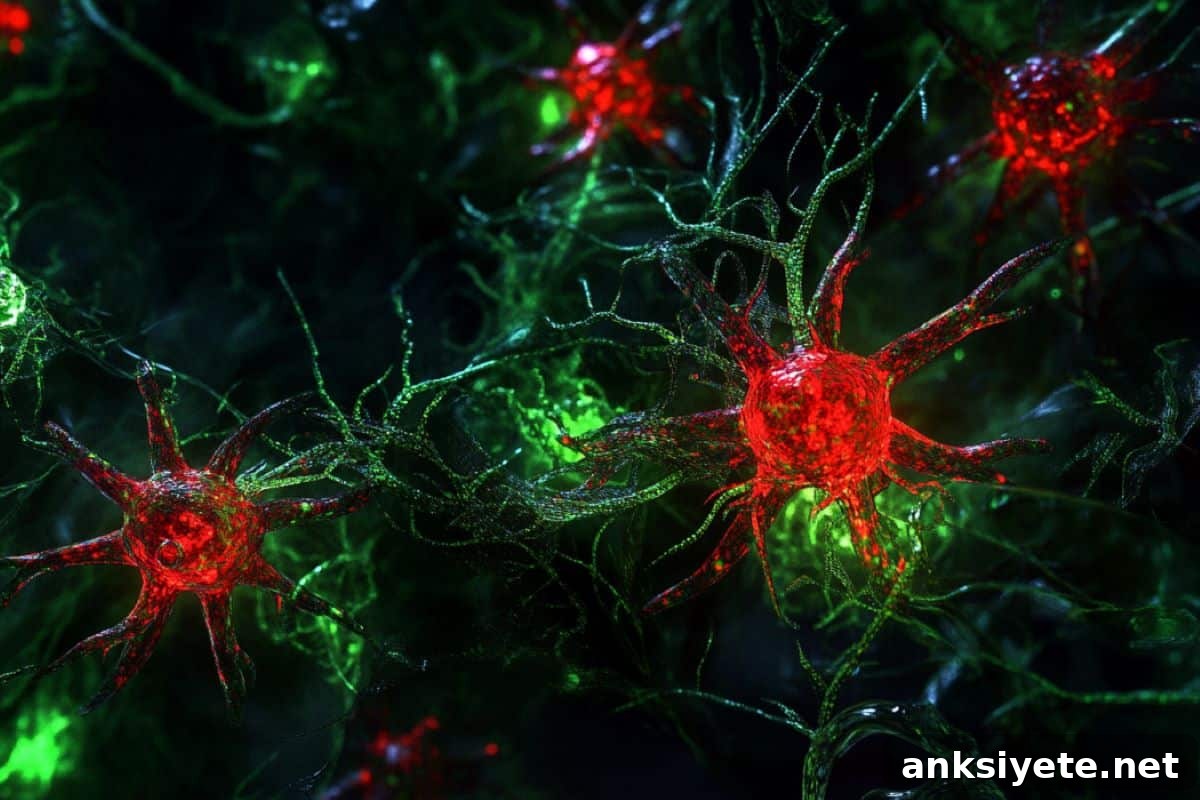
Across many of these disorders, astrocyte loss or dysfunction is a common thread. In experimental models, inducing disease-causing mutations selectively in astrocytes can reproduce disease features, indicating that healthy astrocytes are essential to neuronal survival and network function.
Transplantation therapy
Astrocytes perform essential tasks: maintaining extracellular ion balance, recycling neurotransmitters, regulating blood flow, and modulating neural circuits. Because these functions underlie everyday cognition and neural resilience, replacing or repairing damaged astrocytes is an attractive therapeutic strategy.
Cell replacement therapy—transplanting healthy, functional cells into patients—has made rapid progress. Several preclinical studies demonstrate benefit from astrocyte grafts in injury and disease models, and early clinical efforts have begun for disorders such as ALS. However, outcomes vary across studies, highlighting the need to understand how grafted cells integrate and function in the host brain.
A recent study published in The Journal of Neuroscience investigated how transplanted astrocytes integrate into the recipient central nervous system, examining donor cell types, timing of transplantation, and routes of delivery.
Preparing astrocytes
Researchers prepared astrocyte cultures by isolating immature astrocytes from the cerebral cortex of newborn mice and expanding them in vitro. To track graft development in vivo, donor astrocytes were labeled so they could be distinguished from host cells after transplantation.
The study found that transplanted astrocytes survived for up to a year, matured within the host brain, and integrated with native tissue. Over time, grafted cells developed comparable size, complexity, and numbers of surface receptors and ion channels that enable sensing and material exchange in the brain. Although transplanted astrocytes required time to fully match all molecular features of host cells, they ultimately achieved similar functional properties.
Source, type and location
Integration depended on the recipient’s developmental stage. Astrocytes transplanted into infant mice migrated and dispersed broadly throughout the host brain, whereas cells delivered to young adult mice remained near the transplantation site. This suggests a more permissive environment for engraftment in developing brains.
Astrocytes are not uniform across brain regions: they display distinct identities in the cortex, cerebellum, and spinal cord. When cortical astrocytes were placed into the cerebellum, they tended to maintain cortical characteristics. This intrinsic regional programming means the source and subtype of donor astrocytes must be considered when designing replacement therapies.
Exciting potential
Multiple lines of evidence indicate that transplanted astrocytes can form appropriate contacts with neuronal synapses and support normal synaptic function. In animal models, astrocyte grafts have promoted plasticity and regeneration after injury and improved outcomes in several neurological disease models. These results make astrocyte transplantation a promising strategy for treating neurodegenerative diseases and traumatic brain injury.
By clarifying how transplanted astrocytes survive, integrate, and adapt, ongoing research will help optimize cell sources, timing, and delivery methods. Better-designed therapies could one day improve neural repair and the quality of life for patients with devastating brain disorders.
About this neurology research news
Author: Albert HiuKa Fok and Sabrina Chierzi
Source: The Conversation
Contact: Albert HiuKa Fok and Sabrina Chierzi – The Conversation
Image: The image is credited to Neuroscience News