Cycling Improves Cognition in Parkinson’s Disease
featured 112072

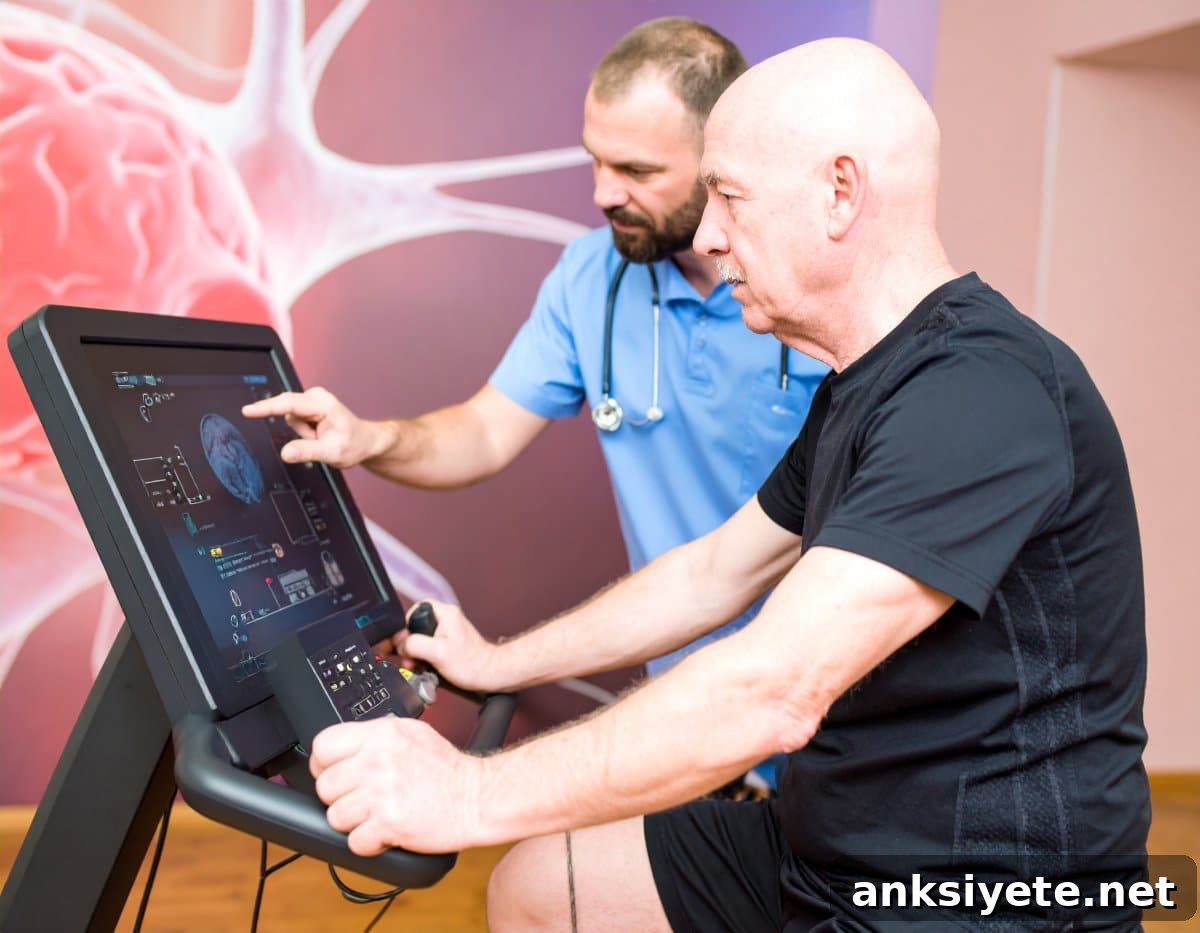
Key Questions Answered Q: How does exercise help people with Parkinson’s at the brain level?A: Extended adaptive cycling appears to alter neural activity in motor-related brain regions, suggesting exercise can reactivate or reshape circuits affected by Parkinson’s disease. Q: What sets this study apart?A: Investigators recorded real-time signals from implanted deep brain stimulation (DBS) devices … Read more
Bedside EEG Predicts Outcomes After Coma from Brain Injury

featured 70399

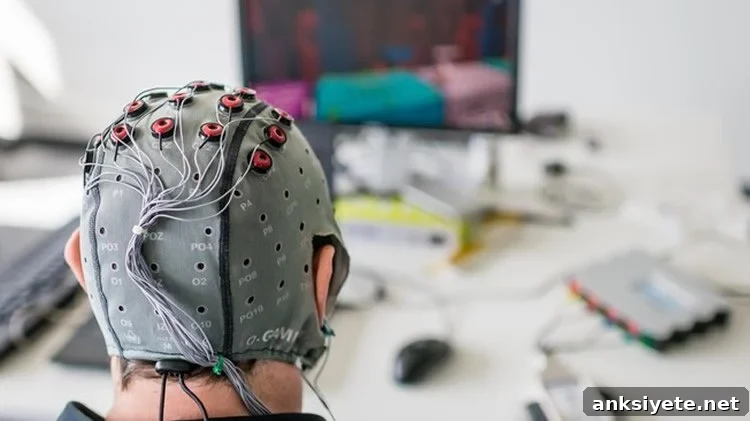
Summary: Brain responses to spoken language can be detected with EEG in unresponsive traumatic brain injury patients. The strength of those responses helps predict recovery. Source: University of Birmingham New research suggests that measuring how unresponsive patients with severe traumatic brain injury (TBI) process spoken language can offer valuable prognostic information for clinicians. A research … Read more

New Study Maps Brain Signaling System Linked to Autism

featured 46649

Summary: Vanderbilt researchers have mapped a signaling circuit in the brain that appears to be linked to autism spectrum disorder (ASD). Source: Vanderbilt University. Vanderbilt University scientists have delineated part of the neural signaling “wiring” in the striatum that may contribute to behaviors associated with autism spectrum disorder. Published recently in Biological Psychiatry, the study … Read more

New Autism Treatments Could Restore Brain Connectivity

featured 44600

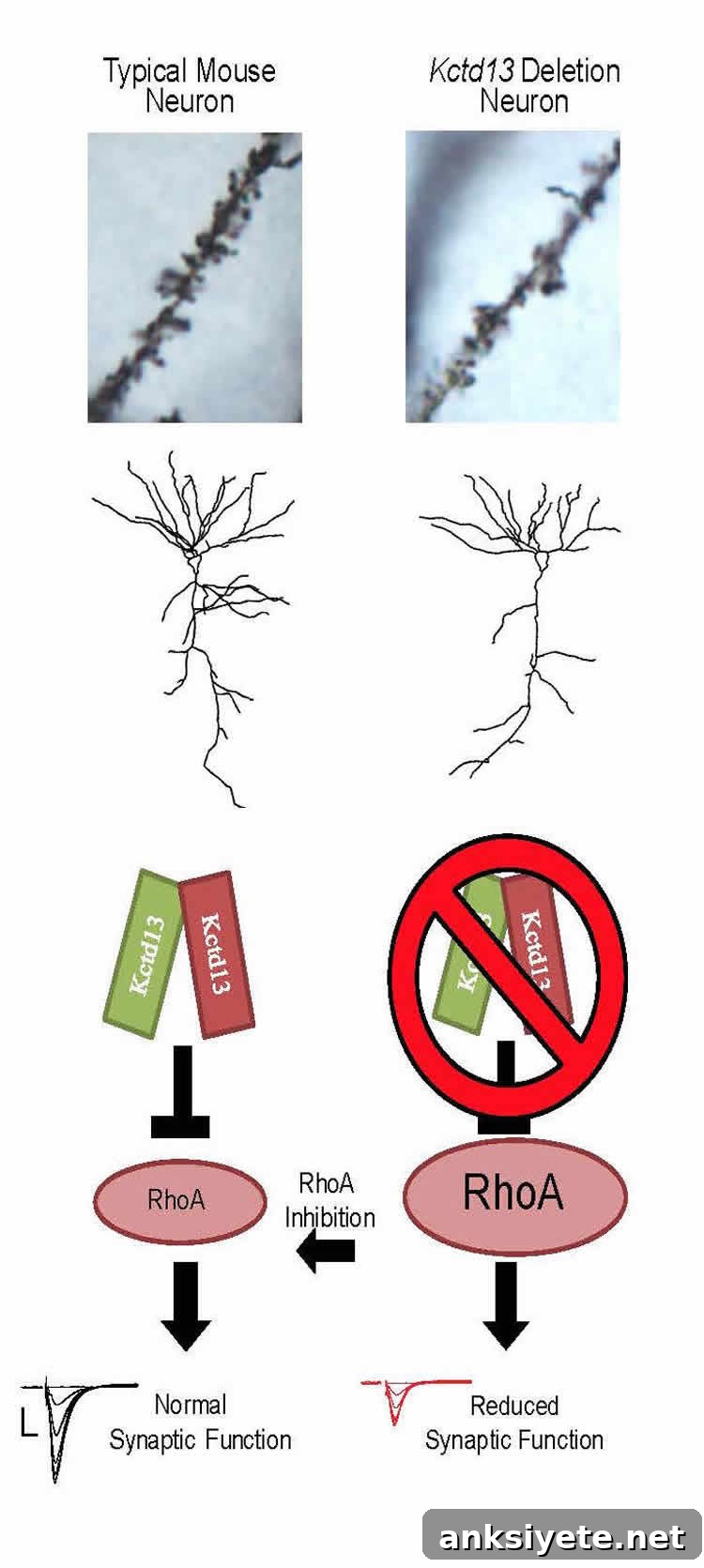
Potential Treatments Restore Neural Connections in Autism-Linked Gene Deletion Summary: Researchers report they have identified treatments that restore brain function in mice lacking a gene critical to neuronal connections, pointing to a possible therapeutic pathway for some people on the autism spectrum. Source: UT Southwestern. Researchers at the Peter O’Donnell Jr. Brain Institute at UT … Read more

New Study Links Brain Biochemical Pathway to Bipolar Disorder

featured 72972

Summary: Disruptions in the Akt protein can produce brain changes that match those seen in bipolar disorder. Source: University of Wisconsin–Madison Bipolar disorder affects millions of people, causing dramatic mood swings and, in many cases, cognitive issues such as memory problems. While many genes contribute small effects to bipolar disorder, how those genetic differences translate … Read more

Pickled Capers Activate Proteins for Brain and Heart

featured 66323

Summary: Quercetin, a plant flavonoid abundant in pickled capers, directly modulates KCNQ family potassium ion channels. These channels play key roles in brain and heart physiology, and their dysfunction is linked to disorders such as epilepsy, diabetes-related complications, and cardiac arrhythmias. Source: UC Irvine Correction: Quercetin was previously mischaracterized as a protein; it is a … Read more

How Tarantula Venom Strikes Like a Molecular Stinger

featured 69413

Summary: A tarantula’s venom disables its prey by targeting voltage-gated sodium channels, blocking the voltage sensor that generates electrical signals in nerve cells. Source: UW Medicine Large, hairy tarantulas may look intimidating, but their venom contains a highly effective hunting toxin that is drawing attention from medical researchers. New structural data shed light on how … Read more

How Humans and AI Learn Together to Win Competitions

featured 48878

Summary: EPFL researchers report that the most dramatic improvements in brain-computer interface (BCI) performance occur when both the human user and the machine are allowed to learn. In a study training tetraplegic participants to control an avatar for an online competition, joint adaptation produced the best results. Source: EPFL Humans and Machines Learn Together to … Read more

How Low Confidence Prompts Feedback and Improves Learning

featured 106422

Summary: A new study finds that people who lack confidence in their performance are more likely to seek corrective feedback, and that this behavior substantially improves learning. By examining choices made during a memory task tied to monetary rewards, the researchers show that uncertainty—rather than emotional reactions like stress—drives the demand for feedback. Negative feedback, … Read more

Automated Imaging Detects and Tracks Alzheimer’s Brain Protein

featured 70912

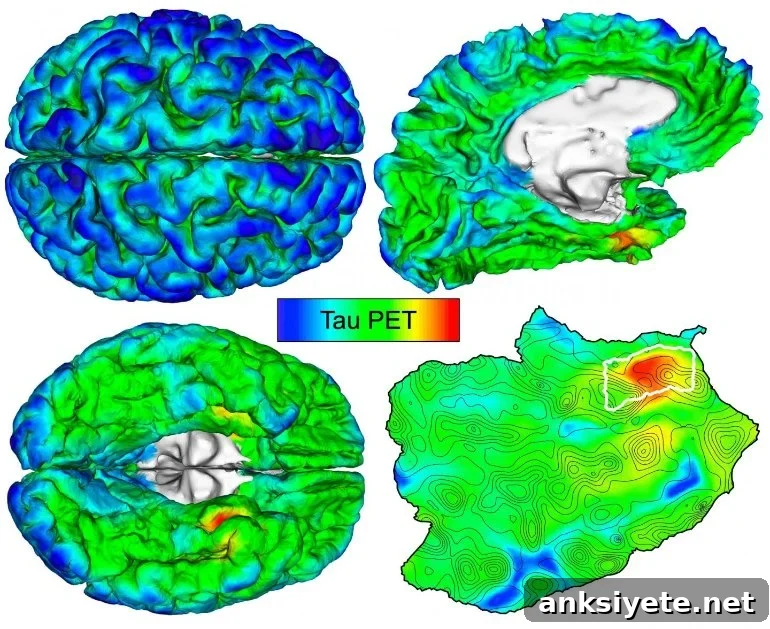
Summary: Researchers have developed an automated imaging method that identifies and follows the earliest tau protein deposits in the brain. This approach may enable earlier detection of Alzheimer’s disease and improve selection for preventive trials. Source: Mass General Background: Amyloid-beta and tau are the two main abnormal proteins that accumulate in the brain during the … Read more