Why Decluttering May Not Help People with Dementia

featured 79074

Summary: New research suggests people with moderate Alzheimer’s disease may perform daily tasks more effectively when they are in their familiar, personal environments, even if those spaces contain everyday clutter. Source: University of East Anglia Clutter-free spaces may not always improve daily functioning for people living with dementia, according to a recent study conducted by … Read more

New Study Tests Vaccine and Oral Drug to Prevent Alzheimer’s

featured 43421

Summary: Researchers are testing a preventive vaccine and an oral medication that aim to delay or stop Alzheimer’s disease in people with a genetic risk. Source: Keck Medicine USC. The Keck School of Medicine of USC launches a study exploring whether two different therapies can prevent a leading cause of death. Researchers at the Keck … Read more

PopBalloons: First Mixed-Reality Game for Autism Therapy

featured 88859

Summary: Researchers have created a mixed-reality game called Pop’Balloons designed to help children on the autism spectrum improve motor skills and social coordination. Source: University of Montreal Demand for mental health evaluation and intervention is rising sharply, and existing services are often centralized, overburdened, and difficult for many families to access. Children with autism spectrum … Read more

Study Finds Schizophrenia Gene Linked to Cognitive Impairment

featured 60254

Summary: SETD1A, a gene linked to schizophrenia, impairs dendritic growth and branching and reduces dendritic spine density. Restoring normal SETD1A expression in mice reverses working memory deficits. Source: NIH/NIMH Researchers have identified how SETD1A, one of the few genes definitively associated with schizophrenia, likely contributes to risk for the disorder. In a mouse model, partial … Read more

Lifestyle Changes Could Slow Inherited Frontotemporal Dementia

featured 61361

Summary: People with a genetic predisposition to frontotemporal dementia (FTD) may preserve function and show resilience to the disease by maintaining regular physical exercise and engaging in mentally stimulating activities. Source: UCSF Active physical and cognitive lifestyles are linked to greater resilience against frontotemporal dementia, even for people who carry genetic mutations that greatly increase … Read more

New Sensor Could Enable Brain-Controlled Robots

featured 92090

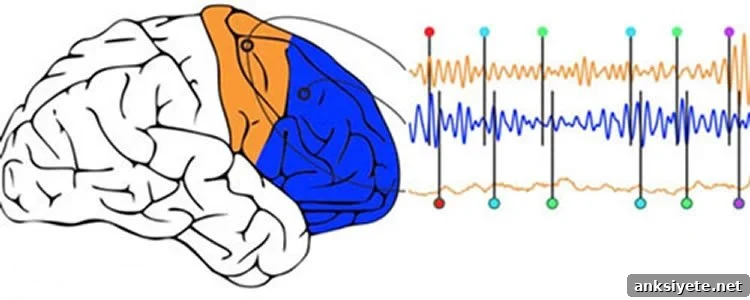
Summary: Researchers have developed a new dry EEG sensor design capable of measuring brain activity through hair and across curved scalp surfaces, a step toward controlling robots and other devices with the mind. Source: American Chemical Society What once sounded like science fiction — wearing an electronic headband to control a robot using only your … Read more

Right-Sided DBS for Parkinson’s: Preserves Speech

featured 104860

Summary: A recent study indicates that unilateral deep brain stimulation (DBS) confined to the right hemisphere can improve motor symptoms in people with Parkinson’s disease while avoiding the notable declines in verbal fluency that are sometimes observed after DBS. By contrast, stimulation in the left hemisphere was linked to measurable declines in word retrieval and … Read more

Study Links Gene Mutation to Psychiatric Disorders

featured 33533

Summary: Researchers have confirmed a connection between a specific genetic mutation and several major psychiatric disorders. Source: University of Edinburgh. Brain imaging reveals how a genetic translocation affecting the DISC1 gene alters brain structure, chemistry and function, and raises risk for schizophrenia, bipolar disorder and major depression. New brain imaging evidence clarifies how a balanced … Read more

What Drives the Human Mind If Not Consciousness

featured 45107

Summary: Researchers offer fresh insight into human consciousness, arguing that we do not consciously choose our feelings or thoughts; rather, we simply become aware of them. Source: The Conversation. Consciousness feels obvious: it is our immediate sense of self-awareness that seems to give us control over thoughts, emotions and experiences. Most scientists divide consciousness into … Read more

Hunger Hormone Ghrelin Primes the Brain for PTSD, Study Finds

featured 11858

About a dozen years ago, researchers identified ghrelin as a hormone that stimulates appetite. Known as the “hunger hormone,” ghrelin quickly became a target for drug development aimed at treating obesity, though those efforts have not yet produced effective weight-loss therapies. New work by neuroscientists at MIT shows that ghrelin’s role extends well beyond appetite … Read more