Why We Associate Vowels with Colors: The Science of Synesthesia

featured 55188

Summary: While only about 1 in 25 people has synesthesia, a new study finds that intuitions about “sound colors” are shared by a much larger portion of the population. Perceptions of sound color are driven largely by the vowel system of a language. Source: Radboud University Does the vowel [a:] as in “baa” feel more … Read more
Implanted Pump Delivers Chemotherapy Directly to Brain Tumors

featured 88109

Summary: A fully implantable pump system can safely bypass the blood-brain barrier to deliver chemotherapy directly into the brain, showing biological activity against glioblastoma in a first-in-patient study. Source: Columbia University Treating brain cancer is complicated not only by the tumor but by the brain’s protective anatomy. The blood-brain barrier is a vital defense that … Read more

How Cerebral Blood Vessels Protect the Brain During Inflammation

featured 54423

Summary: New research from the University of British Columbia shows how blood vessels help protect the brain during inflammation. The discovery identifies a blood-vessel protein that preserves the blood–brain barrier and may guide the development of treatments for stroke, epilepsy, multiple sclerosis and other neurodegenerative or autoimmune conditions. Source: University of British Columbia Blood vessels … Read more

Study: Cheating May Be an Innate Human Trait

featured 58512

Summary: New field research indicates that cheating for personal financial gain is driven more by an individual’s inherent propensity to cheat than by short-term changes in economic conditions. The study found that periods of scarcity did not increase cheating when participants personally benefited. Source: Texas A&M Is cheating shaped by environment or by character? Dr. … Read more

Caffeine Metabolite Could Slow Childhood Myopia Progression

featured 85665

Summary: The caffeine metabolite 7-methylxanthine (7-MX) is associated with a slower progression of myopia (short-sightedness) in children, according to observational data from Denmark. Source: BMJ Background: Myopia develops when the eyeball grows too long, causing images to focus in front of the retina rather than on it. This axial elongation typically begins in early childhood … Read more

How the Brain Overcomes Fear and Adapts to New Threats

featured 107749

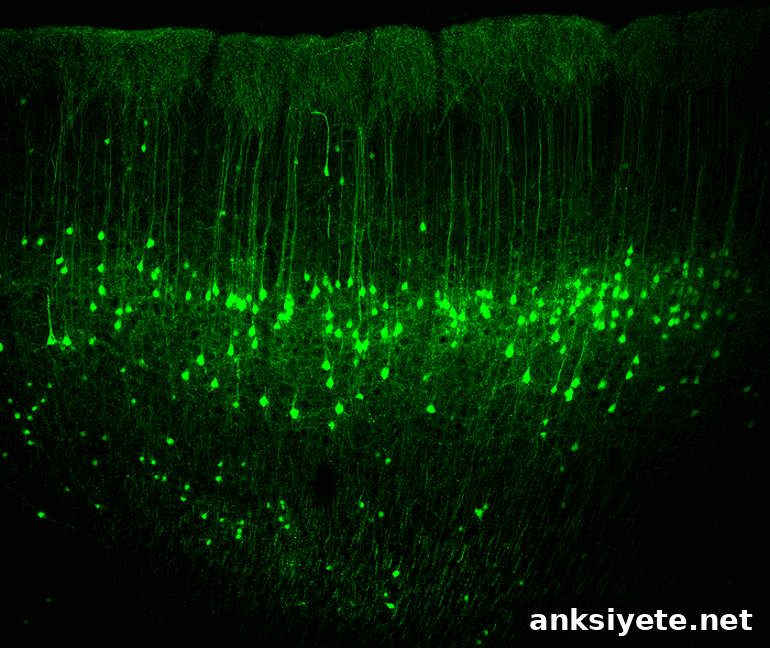
Summary: Scientists have identified how the brain learns to suppress instinctive fear responses when repeated threats turn out to be harmless. Their work in mice links learning in the visual cortex to long-term changes in a deep brain structure, revealing a circuit and molecular mechanism that reduce defensive reactions. This discovery may point to new … Read more

New Insights into Neuronal Activity in the Sensorimotor Cortex

featured 88699

Summary: New discoveries about neural activity in the sensorimotor cortex improve understanding of how this brain region organizes movement and could accelerate advances in neuroprosthetics designed to compensate for neuronal dysfunction. Source: University of Freiburg An interdisciplinary team at the University of Freiburg has uncovered important insights into how the sensorimotor cortex represents and organizes … Read more

Study: Venous Insufficiency Rare in Multiple Sclerosis Patients

featured 9246

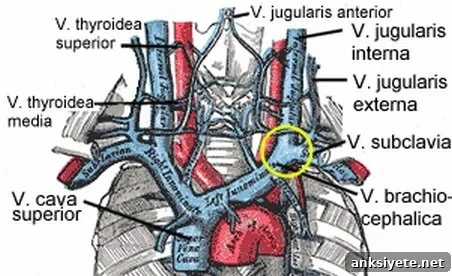
UTHealth Study Finds CCSVI Rare in Both People With and Without Multiple Sclerosis Researchers at The University of Texas Health Science Center at Houston (UTHealth) used multiple imaging techniques and found that chronic cerebrospinal venous insufficiency (CCSVI) is uncommon and occurs at similar low rates in people with multiple sclerosis (MS) and in volunteers without … Read more

What Causes Neurological Disorders After Premature Birth

featured 38134

Summary: Researchers suggest motor problems linked to preterm birth may arise from defects in the peripheral nervous system, not only the brain. Source: Kristy Hentchel – University of Chicago. New research from the University of Chicago, published in the February issue of the American Journal of Pathology, indicates that motor abnormalities commonly seen in low … Read more

Morning Blue Light Therapy Improves Sleep in PTSD Patients

featured 87720

Summary: Daily morning exposure to blue-wavelength light improved sleep, reduced PTSD symptom severity, and helped preserve the benefits of fear-extinction learning. Source: University of Arizona Researchers in the University of Arizona College of Medicine – Tucson’s Department of Psychiatry report that morning blue light therapy led to measurable improvements in sleep, decreased severity of post-traumatic … Read more