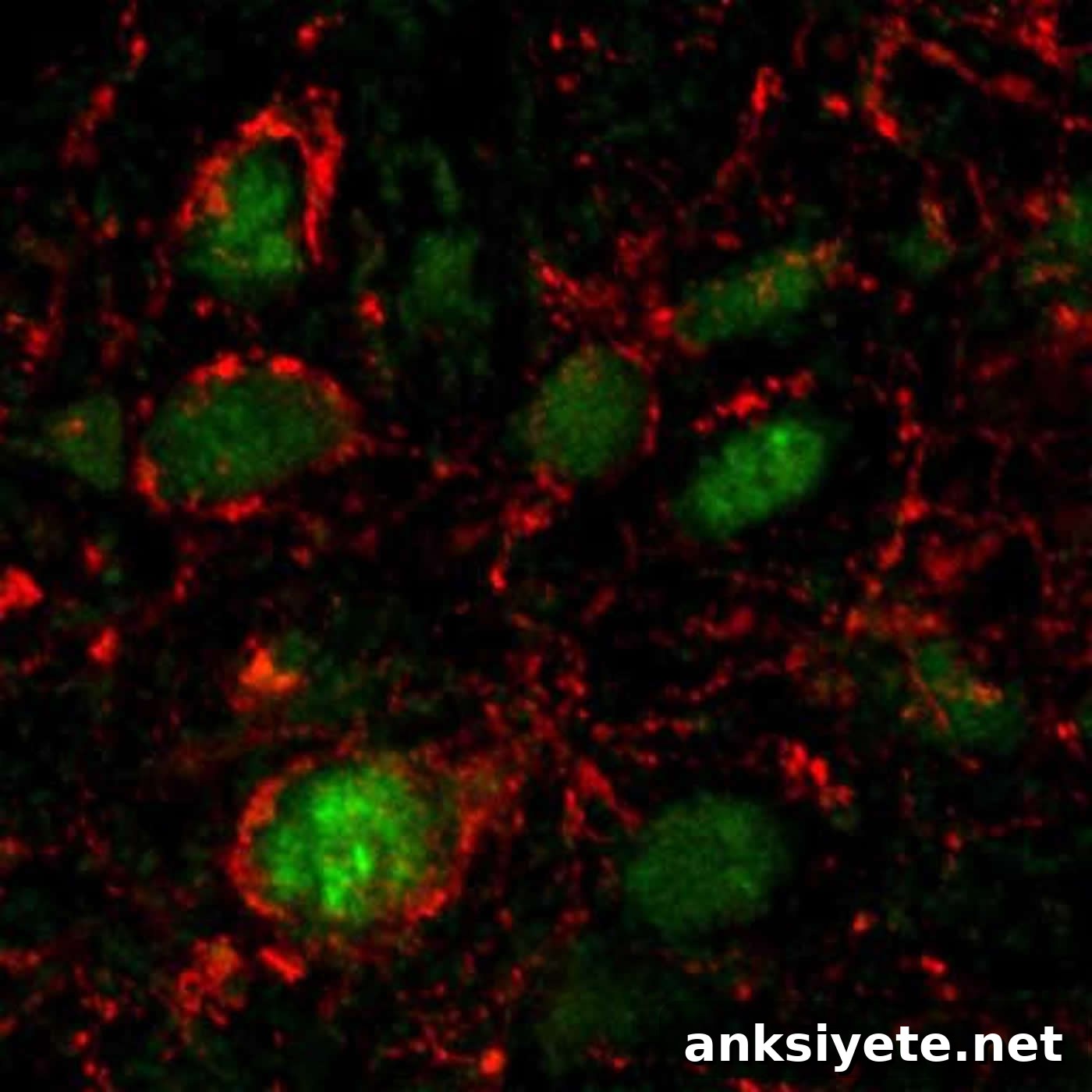
Single Nerve Cord Reveals Ancestry of Ecdysozoan Nervous Systems

featured 107504

Summary: New analysis of exceptionally preserved Cambrian fossils indicates that the ancestral ecdysozoan most likely had a single ventral nerve cord. Fossil impressions from early scalidophoran species match the single midline nerve cord seen in modern priapulids, supporting the view that paired nerve cords in some groups evolved later and independently. The study suggests that … Read more
Researchers Identify Possible Autism Biomarker

featured 23847

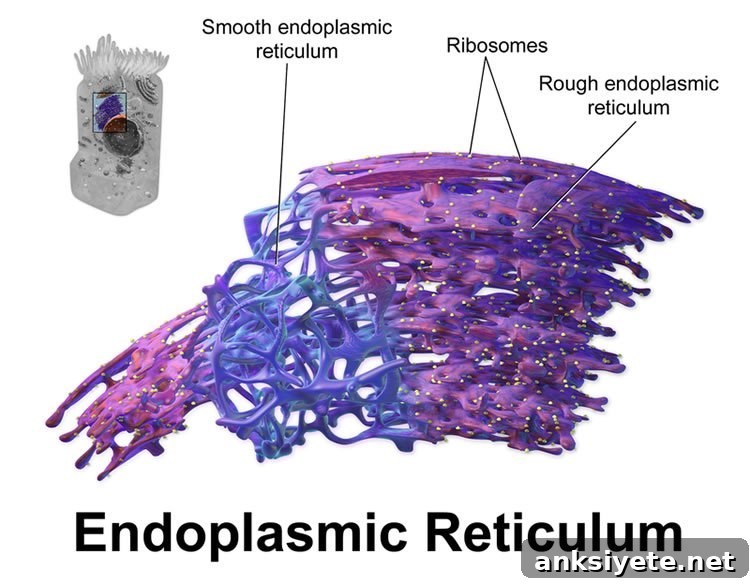
Study also points to potential new drug discovery advances. Researchers at the University of California, Irvine have identified a consistent signaling defect within a specific cellular membrane compartment that may serve both as a reliable biomarker for some forms of autism and as a promising target for new therapies. Led by Dr. J. Jay Gargus … Read more

Study Reveals Intelligence Network in the Human Brain

featured 26455

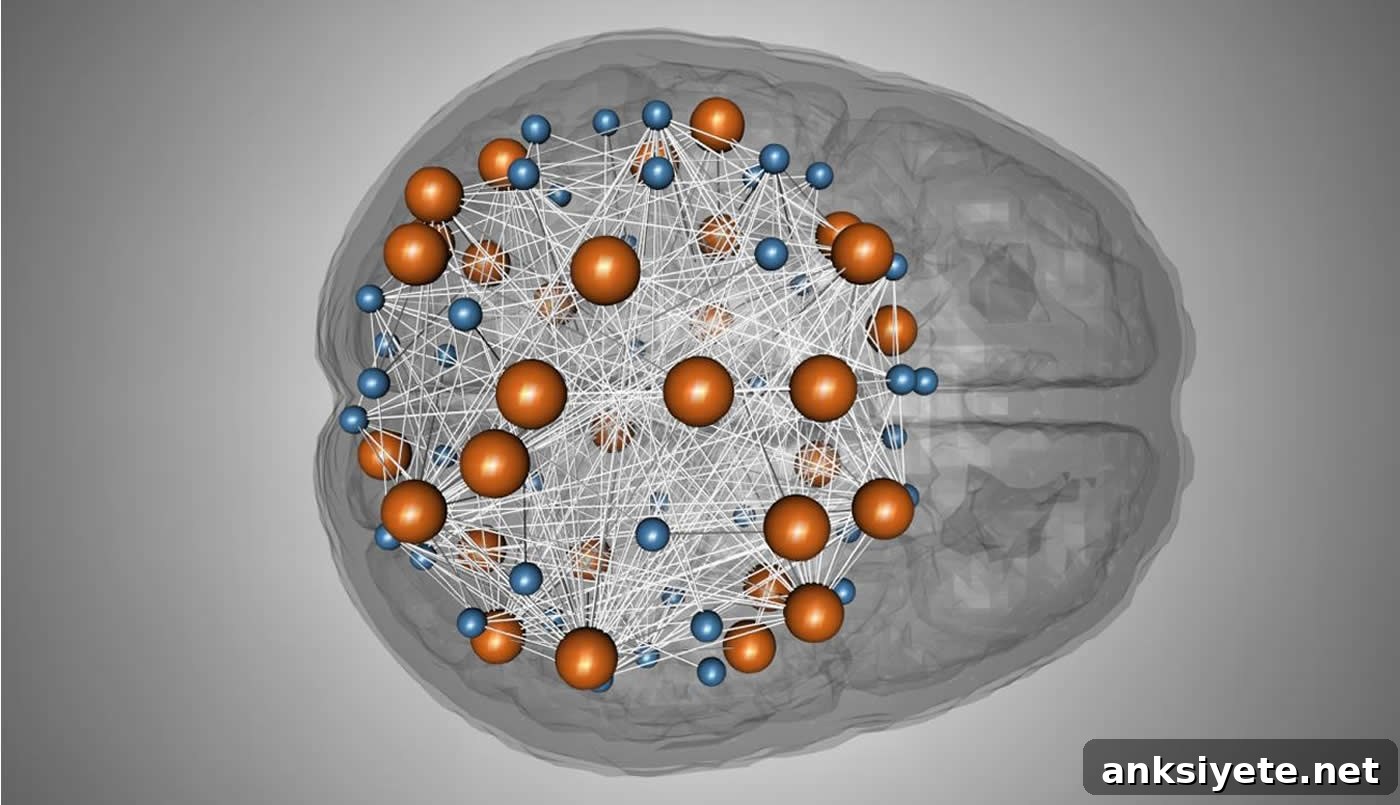
Scientists at Imperial College London identify two gene networks linked to human intelligence Researchers at Imperial College London have, for the first time, identified two clusters of genes—referred to as M1 and M3—that are linked to human cognitive ability. These gene networks appear to influence a range of cognitive functions, including memory, attention, processing speed … Read more

How Gut Microbes Signal Satiety to the Brain

featured 25831

If you feel like skipping dessert, the microbes in your gut might be partly to blame. A study published November 24 in Cell Metabolism reports that, roughly 20 minutes after a meal, gut bacteria produce proteins that reduce food intake in animals. When these bacterial proteins were administered to mice and rats, they affected brain … Read more

New Immersive VR Lets You Explore the Brain in 3D

featured 44919

Summary: Researchers will unveil a new immersive virtual reality system that allows users a novel, intuitive way to visualize and interact with large three-dimensional anatomical brain datasets at Neuroscience 2017. Source: Wyss Center. A new immersive virtual reality (VR) platform delivers a powerful and practical way to visualize and interact with very large volumes of … Read more

Study Shows Diet Affects Migraine Frequency and Severity

featured 35462

Summary: A comprehensive review of research finds that certain foods and beverages can trigger migraines for susceptible individuals. Source: University of Cincinnati. Skipping your usual morning coffee, eating processed foods high in nitrites or monosodium glutamate (MSG), and drinking too much alcohol are common dietary triggers for people who suffer from migraines, according to Vincent … Read more

Are You at Risk for Burnout? Symptoms and Warning Signs

featured 100126

Summary: New research finds that roughly 13% of Norwegian employees are at high risk of burnout. The study validates the Burnout Assessment Tool (BAT), a measurement designed to detect early signs of burnout by evaluating exhaustion, mental distancing, cognitive impairment, and emotional impairment. The BAT is being tested internationally and aims to enable timely interventions … Read more

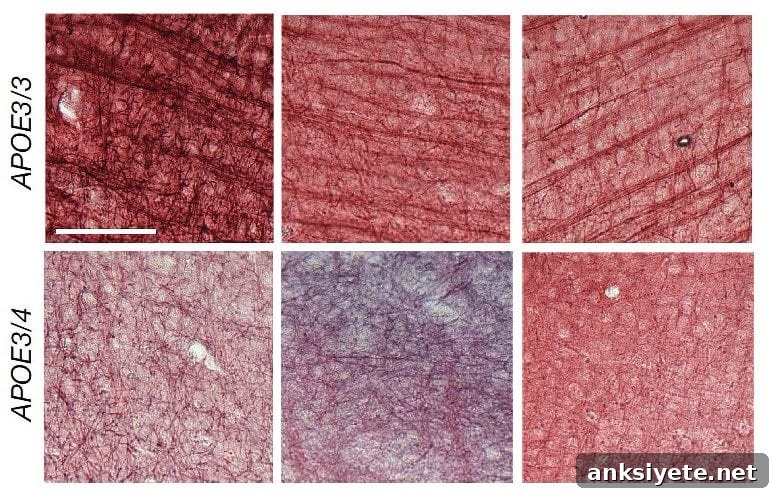
Alzheimer’s Risk Gene Weakens Brain Wiring Insulation

featured 88150

Summary: People who carry the APOE4 gene variant linked to Alzheimer’s disease have oligodendrocytes that mismanage cholesterol, preventing proper delivery of lipids needed to form myelin sheaths. This myelin deficiency may help explain aspects of Alzheimer’s pathology and cognitive decline. Source: MIT Carrying one copy of the APOE4 gene raises Alzheimer’s disease risk roughly threefold … Read more

How Childhood Poverty Alters Brain Communication Pathways

featured 95088

Summary: Growing up in poverty can influence a child’s brain development, particularly the white matter tracts that enable communication between brain regions. New findings from a large U.S. study link both neighborhood-level and household-level poverty to measurable differences in white matter structure. These associations appear to be partly explained by higher rates of childhood obesity … Read more

New Study Links Brain Hyperactivity to Schizophrenia Symptoms

featured 80151

Summary: Excessive activity in a specific region of the brain—the hippocampus—has been associated with particular symptoms of schizophrenia. Source: University of Nottingham New research identifies a link between increased hippocampal activity and deficits in associative learning seen in schizophrenia, suggesting paths for more focused treatments. A team at the University of Nottingham investigated how disrupted … Read more