How Reaching and Grasping by Hand or Foot Reveal Brain Control
featured 69016

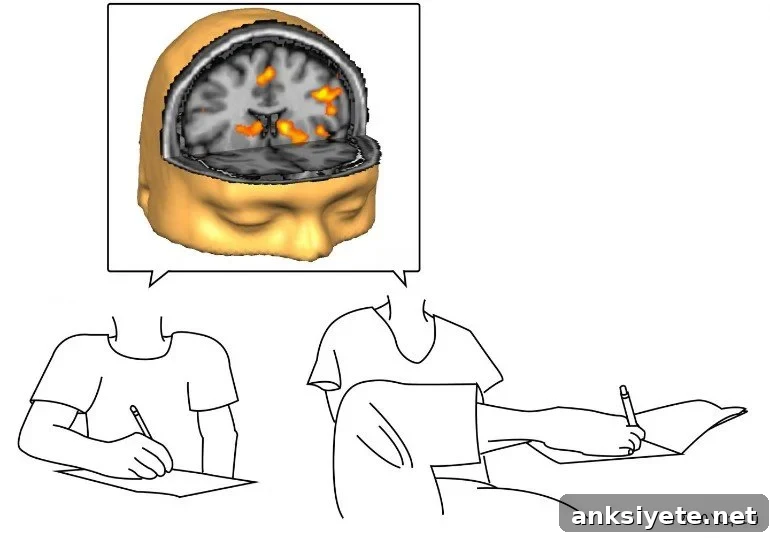
Summary: The brain organizes motor commands at multiple levels. Beyond controlling individual muscle contractions, higher-order motor areas encode abstract action plans—such as reaching and grasping—that can be executed with different effectors (hands or feet). Source: Georgetown University Medical Center Neuroscientists at Georgetown University Medical Center report that people born without upper limbs who use their … Read more

Decoy Effect in Bats: How Decision-Making Changes

featured 76482

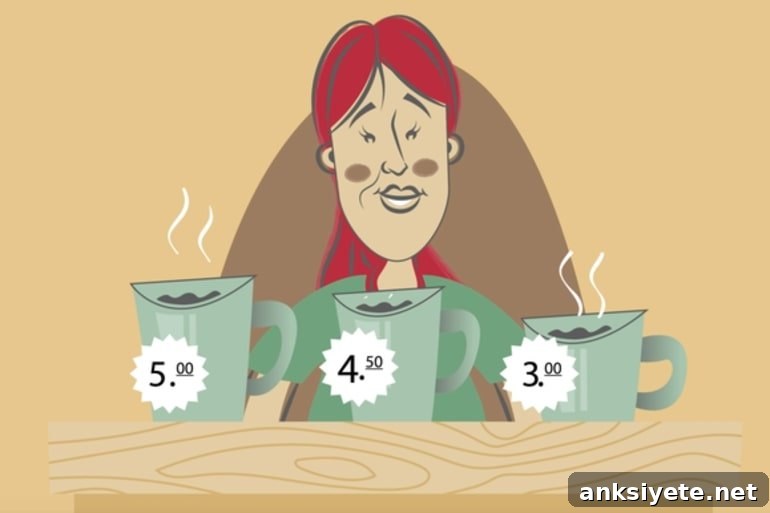
Summary: When people face two options, they often choose the cheaper one. But add a third, mid-priced option, and many will gravitate to the more expensive item because it appears to be the better deal. This cognitive bias, known as the decoy effect, is well documented in human behavior. A new study finds that fruit-eating … Read more

Genetic Links Between Cannabis Use and Psychiatric Disorders

featured 93936

Summary: A new genetically informed study from the University of Oslo, published in Lancet Psychiatry, finds that cannabis use and certain psychiatric disorders—including schizophrenia and bipolar disorder—share common genetic influences. Using advanced statistical models, the researchers show a complex pattern in which many genetic variants raise the risk of both cannabis use and psychotic disorders, … Read more

Prenatal Acetaminophen Linked to Increased Autism Traits

featured 32706

Summary: A commonly used painkiller taken during pregnancy has been linked to a higher likelihood of autism spectrum symptoms and attention-related difficulties in exposed children. New research indicates that prenatal exposure to paracetamol (acetaminophen) is associated with increased autism spectrum traits in boys and with attention and hyperactivity-related symptoms in both boys and girls. The … Read more

Study: Sweet Annie May Treat Brain Cancer and COVID

featured 96897

Summary: Researchers are investigating the medicinal properties of Artemisia annua, commonly called Sweet Annie, focusing on a compound named arteannuin B. Their interdisciplinary study explores how this molecule exerts bioactive effects against glioblastoma brain cancer cells and the SARS-CoV-2 virus that causes COVID-19. An integrated team of biologists, chemists and neuropharmacologists at UTSA have begun … Read more

Brain Cancer Breakthrough Identifies Targets for Treatments

featured 40714

Summary: Researchers have uncovered a molecular mechanism that may drive progression in glioblastoma, suggesting potential avenues for new therapies. Source: University of Edinburgh. Two molecules, FOXG1 and SOX2, are identified as central drivers of growth in aggressive adult brain tumours. New laboratory research reveals how glioblastoma cells exploit the same regulatory machinery used by normal … Read more

How the Brain Distinguishes Left from Right and Boundaries

featured 79119

Summary: Neurons located in the deep layers of the cerebral cortex are the first to signal which side of a visual border belongs to an object and which side is background. Source: Salk Institute In the classic Rubin’s vase illusion, the same image can be seen either as a decorative vase or as two faces … Read more

Surprising New Research Offers Hope for Anxiety Relief

featured 61314

Summary: New research shows recovery from generalized anxiety disorder (GAD) is more common than previously thought. About seven in ten people with a history of GAD report being symptom-free for at least a year, and four in ten describe their current state as excellent mental health. Source: University of Toronto Overview: Anxiety disorders are the … Read more

Animal-Free Brain Tissue Breakthrough for Drug Testing

featured 113944

Summary: Researchers have engineered functional, brain-like tissue without using any animal-derived materials, a major advance toward more ethical and reproducible neurological research. By transforming a chemically inert polymer—polyethylene glycol (PEG)—into a porous, maze-like scaffold, scientists enabled donor brain cells to settle, organize, and form active neural networks. This scaffold supports tissue growth without biological coatings, … Read more

On-Site Ecstasy Pill Testing at Concerts and Raves Reduces Risks

featured 42017

Summary: Researchers at Johns Hopkins University report that offering free, anonymous pill testing for ecstasy at music festivals and raves may discourage some people from ingesting adulterated or fake drugs. The study strengthens evidence that on-site pill-testing services can be a practical public health tool to reduce harms associated with illicit stimulants. Source: Johns Hopkins … Read more