
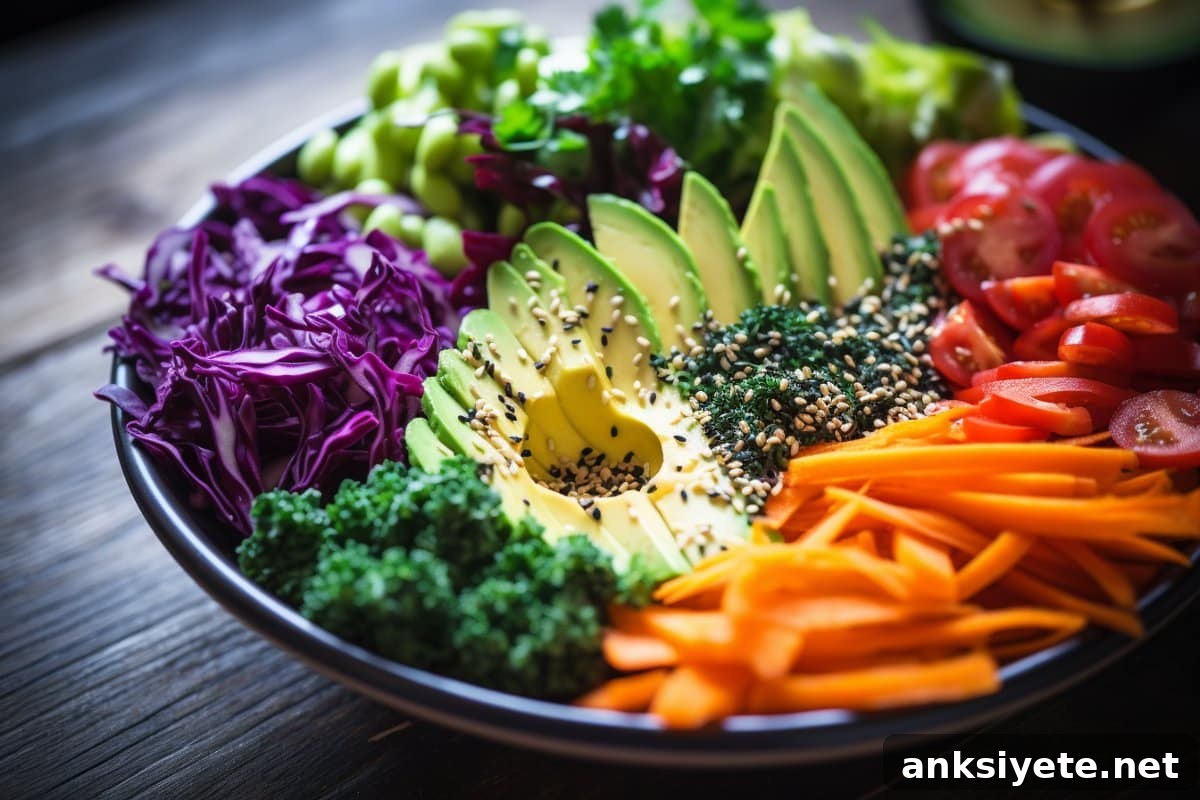
Summary: A controlled clinical study from the National Institutes of Health (NIH) shows that switching to either a vegan or a ketogenic (keto) diet produces rapid, distinct changes in the immune system, metabolism, and gut microbiome. Over a one-month period, 20 diverse participants alternated between two-week periods on each diet while researchers collected blood, urine and stool samples and applied a comprehensive multi-omics analysis.
The study found that the vegan diet largely influenced innate immune pathways and red blood cell–related processes, while the ketogenic diet predominantly affected adaptive immunity and altered a broader set of circulating proteins. Both diets created measurable shifts in gut bacterial populations and metabolic pathways, demonstrating that short-term dietary changes can broadly and consistently reshape interconnected biological systems.
Key Facts:
- The vegan diet produced changes linked to the innate immune system and red blood cell pathways; the ketogenic diet drove changes in adaptive immune pathways and altered more plasma proteins across multiple tissues.
- Both dietary interventions significantly changed the composition of the gut microbiome and host metabolic processes.
- A tightly controlled, on-site study with ethnically and demographically diverse participants shows that even two weeks on a specific diet can produce reproducible, system-wide biological effects.
Source: NIH
Researchers at the NIH’s National Institute of Allergy and Infectious Diseases (NIAID) and the National Institute of Diabetes and Digestive and Kidney Diseases (NIDDK) monitored 20 participants who sequentially consumed a vegan or ketogenic diet for two-week intervals, in random order.
In this tightly controlled setting, participants ate freely from the assigned diet while remaining on site for the full month. The vegan regimen averaged about 10% fat and 75% carbohydrates, while the ketogenic regimen averaged about 76% fat and 10% carbohydrates. Participants generally consumed fewer calories on the vegan diet compared with the keto diet.
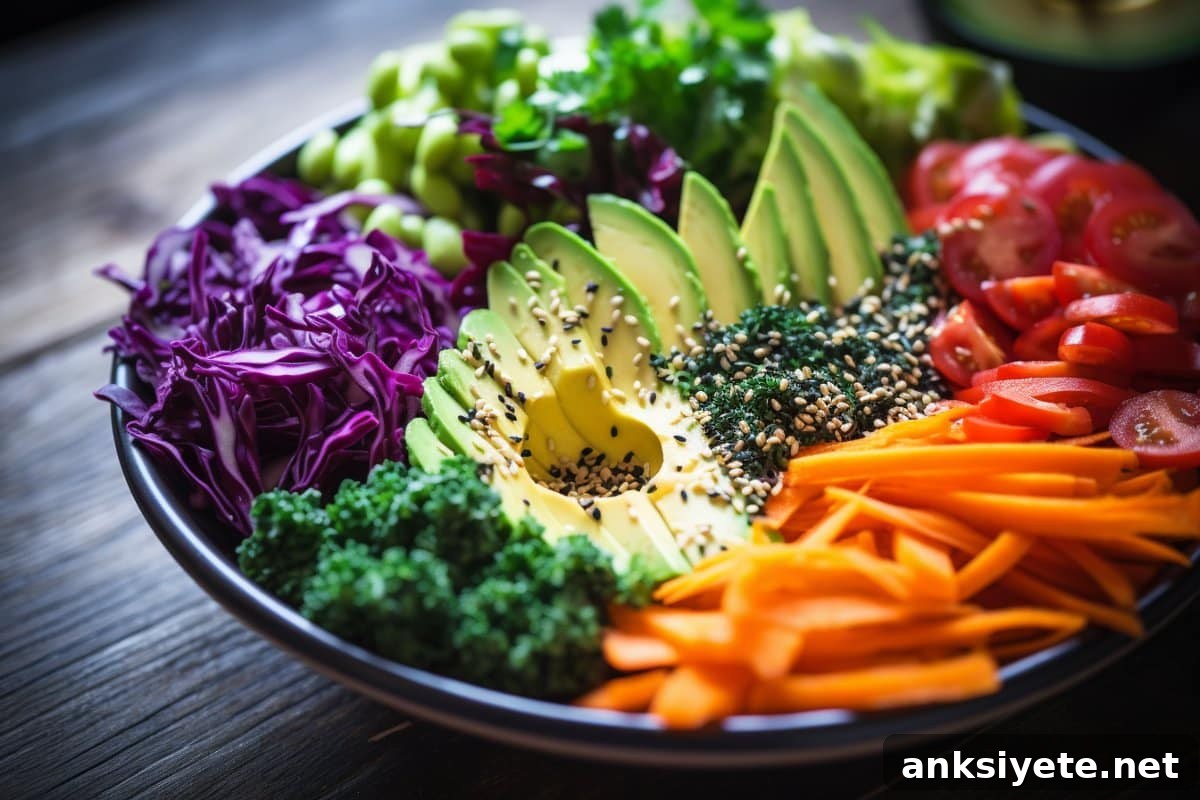
Throughout the trial, investigators used a multi-omics approach—combining flow cytometry, transcriptomics, proteomics, metabolomics and metagenomics—to assess immune, cellular and biochemical responses alongside microbiome changes. This integrated analysis revealed diet-specific signatures in both host immunity and gut microbial function.
Switching to the vegan diet primarily affected innate immunity, including antiviral response pathways, and increased engagement of red blood cell–linked processes such as heme metabolism. These effects may relate to dietary differences in iron and fiber intake typical of plant-based diets.
By contrast, the ketogenic diet produced a pronounced upregulation of pathways and cell populations associated with adaptive immunity, including T and B cell–related processes. Keto also altered the levels of a larger number of plasma proteins and influenced proteins derived from diverse tissues including blood, brain and bone marrow.
Both diets shifted the gut microbiome in ways previously associated with diet composition. The ketogenic diet, in particular, was accompanied by changes in amino acid metabolism: host metabolic pathways for amino acid production and degradation increased, while many microbial amino acid pathways decreased. These patterns likely reflect differences in macronutrient intake and protein consumption between the diets.
Despite the participants’ varied ages, body mass indices, genders and racial and ethnic backgrounds, the study observed consistent, diet-driven networks connecting metabolites, lipids, amino acids and immune markers. These results indicate that controlled dietary changes can reproducibly influence broad, interconnected biological systems across diverse individuals.
The authors emphasize that immune responses to diet occur rapidly—within two weeks—and suggest these findings may inform precision nutritional strategies. Tailored dietary interventions might one day complement disease prevention or treatments, for example by modulating processes relevant to cancer, neurodegenerative disorders, or inflammatory conditions. However, additional research is required to determine whether the observed changes are beneficial or detrimental in specific clinical contexts.
About this diet and immunity research news
Author: Press Office
Source: NIH
Contact: Press Office – NIH
Image: The image is credited to Neuroscience News
Original Research: Open access. “Differential peripheral immune signatures elicited by vegan versus ketogenic diets in humans” by Verena M. Link et al., published in Nature Medicine. ClinicalTrials.gov registration: NCT03878108.
Abstract (summary)
Nutrition shapes many physiological processes, but how diet affects human immunity and the microbiota is not fully understood. This post hoc analysis of a randomized, cross-over clinical trial of 20 participants compared two-week interventions with vegan and ketogenic diets. Using a multi-omics toolkit, the investigators found that the ketogenic diet was broadly associated with upregulation of adaptive immune pathways, while the vegan diet primarily influenced innate immune and antiviral pathways. Both diets differentially impacted the microbiome and host-associated amino acid metabolism, with the ketogenic diet showing a marked downregulation of many microbial pathways compared with baseline and the vegan diet. Overall, two weeks of controlled dietary intervention was sufficient to generate significant and divergent effects on host immunity and metabolism, underscoring potential opportunities for precision nutritional approaches.