
Summary: A recent review examines evidence connecting the gut microbiome to brain development and depressive disorders. The authors highlight how disruptions to gut bacteria—caused by diet, stress, antibiotics, or early-life events—may influence mental health and suggest that nutrition-based strategies could complement existing treatments.
Linking the Gut Microbiome, Neurodevelopment, and Depression
Overview
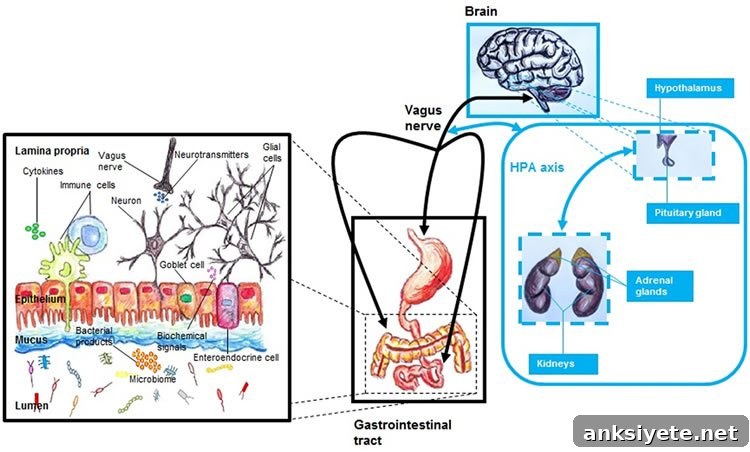
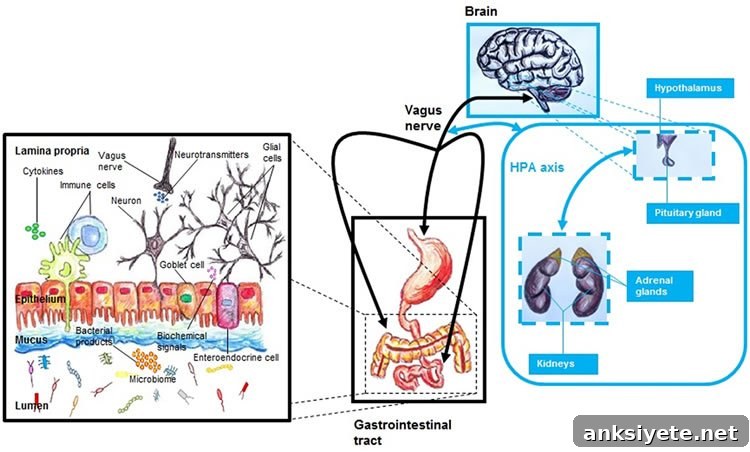
Researchers are increasingly investigating the role of the gut microbiome in neurodevelopment and psychiatric conditions. A comprehensive review published in Frontiers in Psychiatry synthesizes current evidence that the microbiome–gut–brain (MGB) axis plays an important role in the origins and course of depressive disorders. The review emphasizes the two-way communication between the gut and the brain and explores how alterations in gut bacteria can affect immune, endocrine, and neural systems linked to mood regulation.
Why the Gut Matters for Mental Health
Depression is a heterogeneous and often treatment-resistant disorder. Traditional psychiatric models focus on neurotransmitters, stress response systems, and psychosocial factors; however, mounting research shows that the gut microbiome may also shape brain function. The gastrointestinal tract and the brain communicate through neural pathways, hormonal signaling, and the immune system. Changes in any of these channels—driven in part by the composition and activity of intestinal microbes—can influence mood, cognition, and resilience to stress.
Key Findings from the Review
The authors, led by Juan M. Lima-Ojeda, summarize evidence from animal and human studies suggesting several important themes:
- The gut microbiome begins forming very early, with influences detectable during pregnancy and infancy. Early-life microbial exposures can shape neurodevelopmental trajectories and long-term mental health risk.
- Disruptions to the microbiome at any stage of life—triggered by chronic stress, poor diet, infections, or antibiotic use—can alter immune and endocrine signaling and contribute to depressive symptoms.
- The MGB axis affects neurotransmitter pathways, the hypothalamic–pituitary–adrenal (HPA) stress axis, and growth factors, all of which are relevant to mood, cognition, and energy balance.
- Both environmental factors (dietary patterns, antibiotic exposure, infections) and host genetics shape the microbiome and modulate vulnerability to neuropsychiatric illness.
Implications for Prevention and Treatment
The review supports the idea that attention to nutrition and lifestyle may be a feasible adjunct to conventional therapies for depression. Because diet and other habits strongly influence the gut microbiome, dietary interventions that promote microbial diversity and metabolic balance could help support mental wellbeing. The authors recommend diets rich in vegetables, fruits, whole grains, and fish, along with adequate hydration, as part of a holistic approach to mental health care.
In addition to diet, strategies that minimize unnecessary antibiotic exposure, reduce chronic stress, and promote healthy early-life microbial exposures may also be beneficial. These approaches should be considered alongside psychological, pharmacological, and social interventions rather than as replacements for established treatments.
Early-Life Factors and Lifelong Risk
Particular attention is warranted for prenatal and early childhood periods when the brain and immune system are developing rapidly. Animal and human data suggest that disturbances to the MGB axis during critical windows of neurodevelopment may increase the risk of depression later in life. This highlights the potential long-term importance of maternal health, birth practices, infant feeding, and early antibiotic use for offspring mental health outcomes.
Research Context and Limitations
The review synthesizes observational studies, preclinical experiments, and early clinical work. While associations between microbiome alterations and depressive symptoms are compelling, causality is complex and not fully established. Human studies vary in design, sample size, and methods for characterizing the microbiome. More well-controlled clinical trials and mechanistic research are needed before specific microbiome-based therapies can be widely recommended.
Funding and Original Research
The review was funded by the German Federal Ministry of Education and Research. The article examined by this summary is titled “I Am I and My Bacterial Circumstances: Linking Gut Microbiome, Neurodevelopment, and Depression” and was authored by Juan M. Lima-Ojeda, Rainer Rupprecht, and Thomas C. Baghai. The review explores nutritional, immunological, and energy-homeostasis mechanisms that may link gut microbiota, neurodevelopment, and depressive syndromes.
Conclusion
Current evidence indicates a meaningful connection between the gut microbiome and mental health. Disruptions of the microbiome–gut–brain axis—occurring during early development or later in life—may contribute to the pathophysiology of depression. While additional research is required to translate these findings into targeted clinical interventions, promoting a balanced diet, supporting healthy early-life microbial exposure, and avoiding unnecessary antibiotics represent practical measures that may complement established treatment strategies for depressive disorders.