Study: Chronic Headache Doubles Risk of Persistent Back Pain

featured 59668

Summary: Researchers found a clear association between persistent low back pain and chronic headache disorders. People with ongoing back pain or long-standing headaches are roughly twice as likely to experience both conditions concurrently. Source: University of Warwick Persistent Low Back Pain and Chronic Headache: New Evidence of a Strong Link A new systematic review from … Read more
Scientists Grow Light-Sensitive Human Retina from Stem Cells

featured 15016

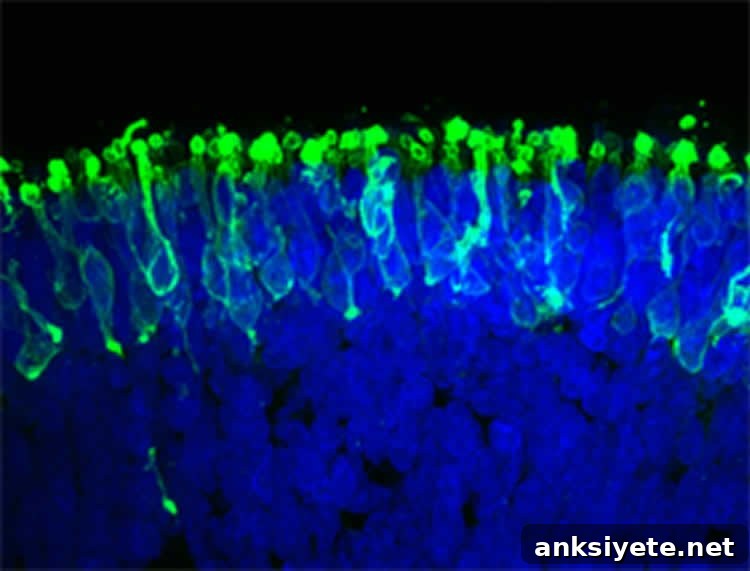
Johns Hopkins researchers have grown three-dimensional human retinal tissue from induced pluripotent stem cells that includes functioning photoreceptor cells able to respond to light — a crucial first step toward converting light into signals the brain can interpret as vision. “We have essentially created a miniature human retina in a dish that not only mirrors … Read more

Inner Ear Clues Reveal Ancient Primate Behavior

featured 6631

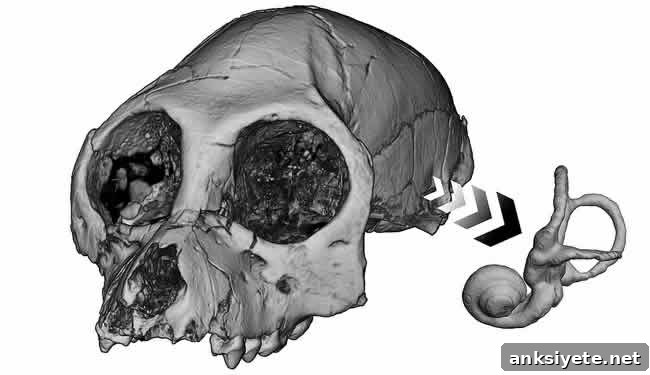
CT Scans of Fossil Primate Skulls Reveal How Extinct Primates Moved CT scans of fossilized primate skulls and skull fragments from both the Old and New Worlds can provide valuable insight into how extinct species moved, even when postcranial bones are missing, according to an international team of researchers. By examining the inner ear’s bony … Read more

Autism Linked to Heightened Pain Sensitivity

featured 90260

Summary: Researchers found that adults on the autism spectrum report stronger pain sensations and show reduced ability to adapt to or suppress those sensations compared with neurotypical adults. This challenges the common assumption that people with autism are indifferent to pain. Source: Tel Aviv University A recent laboratory study investigated how people with autism perceive … Read more

Human Fetal Tissue Generates Self-Organizing Brain Organoids

featured 99300

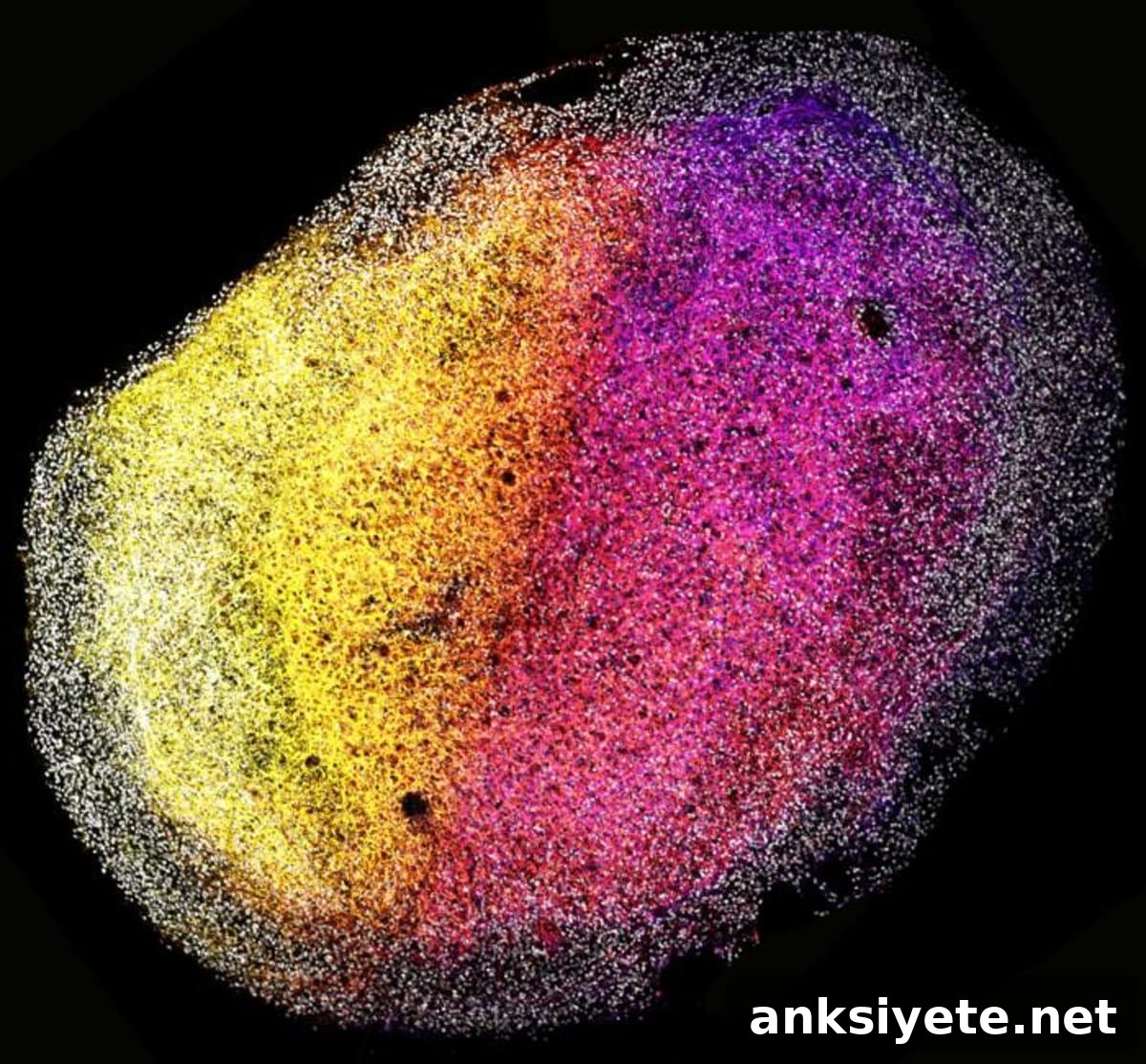
Summary: Researchers have grown three-dimensional (3D) brain organoids directly from human fetal brain tissue that self-organize in vitro. These mini-brains recreate multiple cell types, regional identities and a tissue-like extracellular matrix, making them a powerful new model for studying human brain development, neurodevelopmental disorders, pediatric brain cancer and drug responses. Key Facts: Scientists produced brain … Read more

Decades-Long Study Tracking Mild Traumatic Brain Injury

featured 38911

Summary: Researchers are launching a long-term study to track U.S. service members and veterans with mild traumatic brain injury (mTBI) for up to 20 years to document neurological outcomes and related deployment health issues. Source: Veterans Affairs Research Communications. Study will be one of the most comprehensive to date on TBI The U.S. government has … Read more

New Study: Psychology Behind Attraction to Gods and Superheroes

featured 59809

Summary: A new “god template” distinguishes religious from secular supernatural beings by examining the qualities people associate with each. Religious figures were more often ascribed mind-based traits, judged more ambiguous in their powers, and seen as potentially helpful yet ambivalent. Fictional characters—like superheroes—were described with clearer, less ambivalent abilities. The results suggest religious agents may … Read more

Alzheimer’s Protein Regulates Movement in Mice

featured 10291

Researchers in Berlin, Munich and Oxford have discovered that a protein long associated with Alzheimer’s disease also plays a crucial role in the development and maintenance of muscle spindles, and that loss or inhibition of this protein impairs movement in mice. Published in The EMBO Journal, the study highlights a potential trade-off for therapies that … Read more

How Two Brain Learning Systems Drive Habit Formation

featured 109958

Summary: The brain relies on two distinct dopamine-based learning systems: one that evaluates outcomes and another that reinforces repeated actions. Known as reward prediction error (RPE) and action prediction error (APE), these parallel systems explain how habits form and why they become difficult to change. RPE enables learning from outcomes, signaling whether an event is … Read more

Genetic Study Identifies Genes Driving Brain Aging

featured 31863

Source: University of Edinburgh. More than one thousand people have had their entire genetic make-up decoded as part of a long-term study to gain insight into why some people’s brains age better than others. Researchers at the University of Edinburgh have completed whole-genome sequencing for more than 1,300 participants in the Lothian Birth Cohorts, a … Read more