Brain Structures at Phase Transitions Across Species

featured 102998

Summary: New research from Northwestern University shows that the cellular architecture of brains in humans, mice and fruit flies sits near a structural phase transition — a state known in physics as criticality. The study finds fractal-like patterns and consistent scaling laws across species, pointing to a possible universal organizing principle of brain anatomy. These … Read more


Does Bilingualism Protect the Brain in Early Dementia?

featured 62288

Summary: Research shows bilingualism postpones the first signs of dementia, but once mild cognitive impairment (MCI) progresses to Alzheimer’s disease, the decline appears to be quicker in bilingual individuals than in monolinguals. Source: York University A York University study led by psychologists offers new evidence that bilingualism can delay dementia symptoms. Alzheimer’s disease is the … Read more

Neural pathways that separate similar memories discovered

featured 38546

Summary: Researchers report that episodic memory is disrupted when specific neural pathways that carry signals from the hippocampus to the prefrontal cortex are turned off. Source: University of Bristol Neuroscientists at the University of Bristol have identified distinct hippocampal–prefrontal pathways that support different elements of episodic memory. Published in Nature Neuroscience, the study shows that … Read more

Blood Test Finds Alzheimer’s Toxic Protein Years Before Symptoms

featured 88695

Summary: A blood test can now detect toxic amyloid beta oligomers linked to Alzheimer’s disease years before clinical symptoms appear, enabling earlier diagnosis and potential intervention. Source: University of Washington Most people today are diagnosed with Alzheimer’s disease only after memory loss or other cognitive symptoms appear. At that stage, treatments can at best slow … Read more

12 Genes Linked to Multiple Sclerosis Risk Identified

featured 56912

Summary: Scientists have identified 12 genes linked to familial multiple sclerosis (MS). These discoveries offer a molecular explanation for the chronic inflammation, demyelination and neurodegeneration that characterize MS, and they highlight genetic targets that could guide the development of preventive therapies for people at elevated hereditary risk. Source: University of British Columbia An international research … Read more

Antidepressant Could Slow Multiple Sclerosis Progression

featured 45784

Summary: A new study published in Nature Communications reports that the antidepressant clomipramine may relieve symptoms of primary progressive multiple sclerosis. Source: RUB. The antidepressant clomipramine shows promise for progressive multiple sclerosis Researchers working with Professor V. Wee Yong (University of Calgary) and Dr. Simon Faissner (Ruhr-Universität Bochum) conducted a large-scale screen of approved medicines … Read more

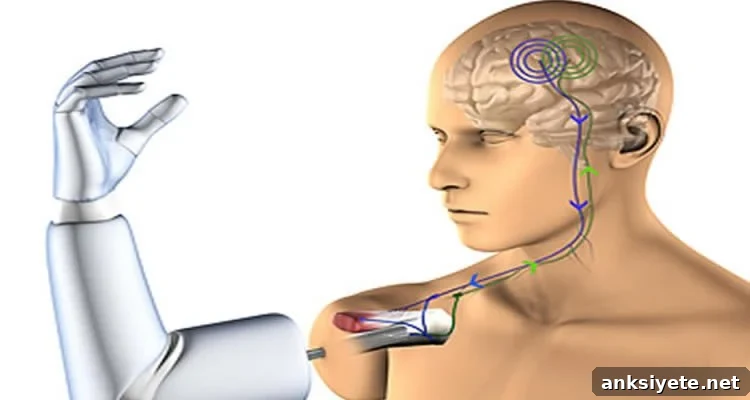
New Study Unlocks Natural Movement for Prosthetics

featured 18064

Providing simple neural signals to brain implants could substitute for the body’s natural feedback system. New research from UC San Francisco brings naturally fluid movement of artificial limbs closer to reality. Scientists demonstrated that monkeys can learn to interpret simple, patterned electrical stimulation delivered to the brain as information about their hand and arm position, … Read more

How Brain Neurons Drive Salt Cravings

featured 43747

Summary: Researchers have identified a population of neurons that detect sodium deficiency and drive the behavioral urge to seek and consume salt. Source: BIDMC. Salt is essential for life. Although a high-salt diet has been linked to hypertension and cardiovascular disease in many Americans, sodium remains a critical mineral that the body needs to maintain … Read more

How Brainwaves Quiet Obvious Ideas to Unlock Creativity

featured 52842

Summary: Researchers report that specific brainwave patterns help suppress the most obvious associations, enabling access to more remote and creative ideas. Source: Queen Mary University of London. Scientists at Queen Mary University of London and Goldsmiths, University of London find that the brain must suppress obvious ideas to reach the most creative ones. Creativity often … Read more

Atlantic Rowing: Heart Rate Insights from Extreme Expeditions

featured 97512

Summary: Ciara Burns’ solo experience rowing across the Atlantic served not only as an extreme athletic challenge but also as a controlled opportunity to study how mind and body interact under prolonged stress. Continuous monitoring of heart rate variability, paired with self-reported wellbeing and sleep notes, revealed measurable connections between psychological states and physiological responses … Read more