New Blood Test Could Pinpoint Epilepsy

featured 91443

Summary: Researchers at Lund University have found that certain immune proteins in the blood rise both before and after epileptic seizures. These inflammation-related proteins, including IL-6, could serve as detectable biomarkers using a routine blood test. Source: Lund University A research team at Lund University in Sweden has identified higher levels of specific immune proteins … Read more

How One Brain Mechanism Enhances Cognitive Function

featured 28199

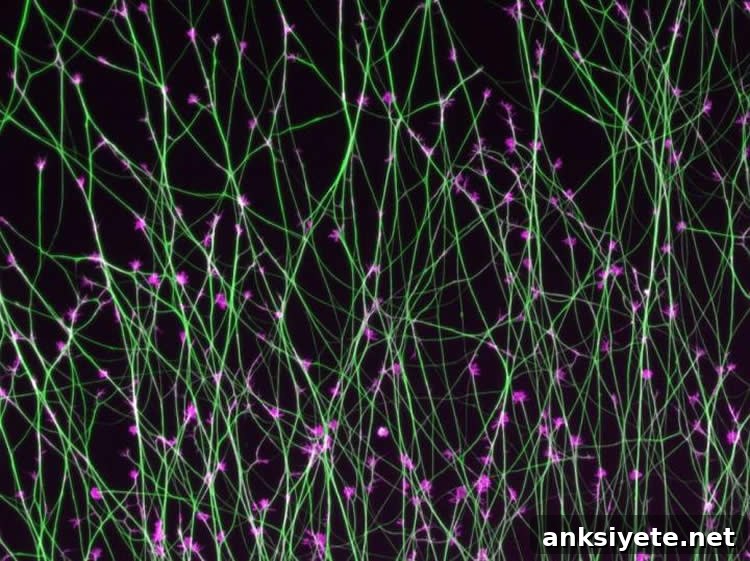
Neurons Instruct Astrocytes Through Sonic Hedgehog Signaling — McGill Study A research team led by the Research Institute of the McGill University Health Centre (RI-MUHC) in Montreal has revealed a previously unrecognized flexibility in brain support cells called astrocytes. Published in Science, the study shows that neurons actively tune astrocytes through the Sonic Hedgehog (Shh) … Read more

Trauma-Informed Therapy: Integrating Gratitude and Happiness

featured 24932

What is happiness? What is gratitude? People often offer similar answers to these questions, but a closer look reveals more about our tendencies, habits, and emotional wellbeing than a simple dictionary definition can convey. English contains hundreds of words for emotional experience; two of the most studied and practically important are gratitude and happiness (Averill, … Read more

How Music Changes Emotions Measured by Pupil Size

featured 25422

When people listen to music, their emotional responses are reflected in measurable changes in pupil size. Researchers at the University of Vienna and the University of Innsbruck in Austria were the first to demonstrate that both the emotional content of music and listeners’ personal involvement with music influence pupil dilation. Published in the journal Frontiers … Read more

Long-Term PTSD After Miscarriage or Ectopic Pregnancy

featured 61673

Summary: Early pregnancy loss — including miscarriage and ectopic pregnancy — can lead to lasting post-traumatic stress in around one in six women. In the month after loss, 29% reported post-traumatic stress symptoms, 24% reported moderate to severe anxiety, and 11% reported moderate to severe depression. At nine months after the loss, 18% still reported … Read more

How a New Brain Switch Could Improve Memory

featured 32494

Summary: Researchers report that chemical modifications adding methyl groups to RNA can strengthen memory formation. Source: UC Irvine. Findings may lead to a better understanding of memory-related disorders. Neurobiologists from the University of California, Irvine and the University of Queensland have uncovered new details about how experiences become stable long-term memories. Their work identifies a … Read more

13 Authenticity Coaching Tools: Assessments, Scales & Worksheets

featured 137729

Authenticity means being true to yourself and living in line with your values and beliefs. It is central to mental wellbeing and plays an important role in effective leadership and personal growth. While hostile environments and controlling people can suppress authentic behavior, coaching can restore connection and create productive interactions between the person and their … Read more

Vasopressin Enhances Social Skills in Autism Without Aggression

featured 109296

Summary: New research finds that supplementing vasopressin in naturally low-social rhesus monkeys improves their social behavior and facial recognition without provoking aggression. These results support the idea that vasopressin deficiency can contribute to social difficulties similar to those seen in autism spectrum disorder (ASD) and point to a possible path for targeted therapies addressing core … Read more

Gut-Brain Link May Explain Chemo Brain Symptoms

featured 60231

Summary: Altering gut bacteria in mice before chemotherapy reduces the cognitive fog commonly known as “chemo brain.” Source: Ohio State University Researchers investigating the gut’s role in cognitive and mood changes after chemotherapy are using an unexpected rodent behavior—coprophagia—to study how gut microbes influence chemo-related brain effects. Chemotherapy frequently damages the digestive system, producing symptoms … Read more

OFF Retinal Ganglion Cells Detect Single Photons in Starlight

featured 82984

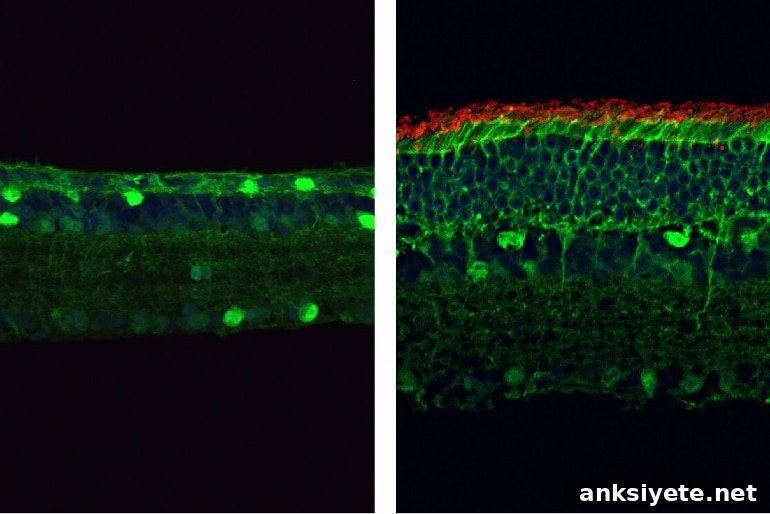
Summary: A small population of retinal neurons, called OFF ganglion cells, can detect tiny decreases in light and appear to be specialized for shadow detection. Source: Aalto University Mice rely on a dedicated neural pathway in the retina to detect shadows, and this pathway can register shadows at nearly the faintest possible level of dimming, … Read more