How Diabetes, Air Pollution and Alcohol Raise Your Dementia Risk
featured 100941

Summary: Researchers have identified key modifiable risk factors and genetic influences that disproportionately affect a particular brain network shown to be vulnerable to aging, schizophrenia and Alzheimer’s disease. This vulnerable network is especially sensitive to diabetes, traffic-related air pollution, and frequent alcohol intake. Using brain scans from roughly 40,000 UK Biobank participants aged over 45, … Read more
Study Shows Dogs Identify Objects by Function, Not Appearance

featured 112879

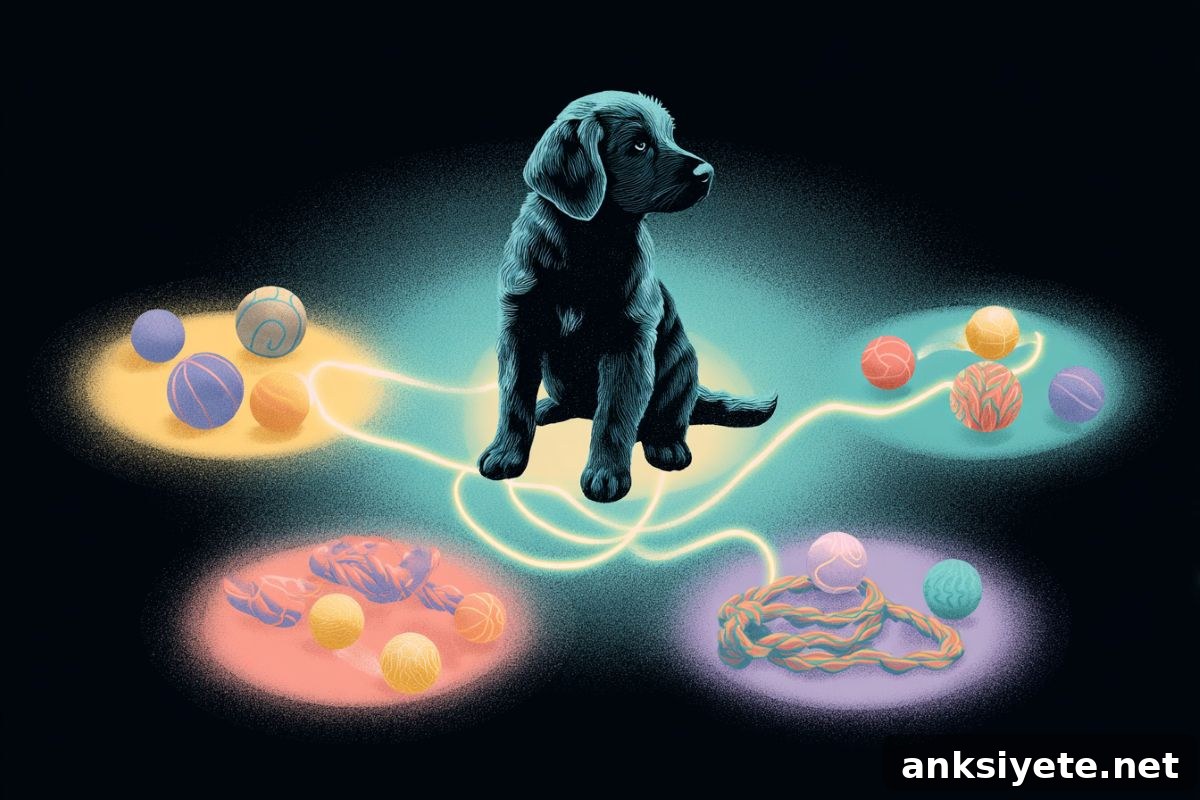
Summary: A new study shows that some exceptionally gifted dogs can sort objects not only by appearance but by how they are used. After owners used verbs like “pull” or “fetch” during regular play, these dogs later applied those action-based categories to unfamiliar toys without formal training or explicit labeling. The research indicates that dogs … Read more

How Social Signals Shaped Human Color Perception

featured 41571

Summary: A new study finds that the arrangement of photoreceptors in primate eyes helps humans detect socially relevant color changes—like blushing—better than other types of color vision, including the evenly spaced color channels used in many cameras. Source: NYU. Key findings Researchers report that human and many primate trichromatic vision is especially well suited to … Read more

Study Finds New Drug Reduces Anxiety-Like Behavior in Mice

featured 75263

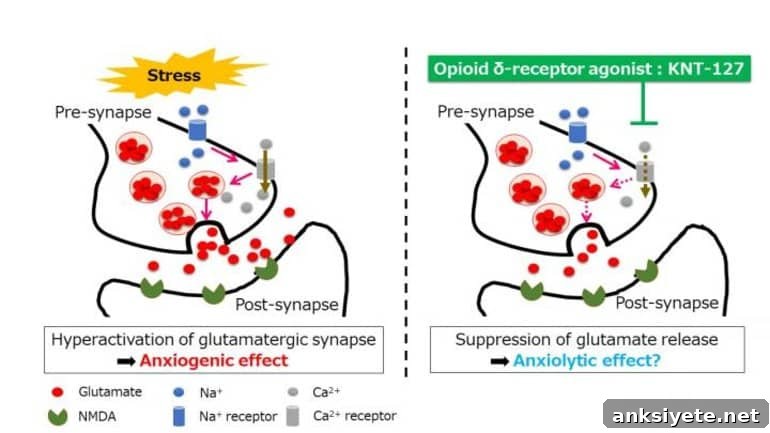
Summary: KNT-127 reduced anxiety-like behaviors in mice, researchers report. Source: Tokyo University of Science Anxiety is a normal response to stress, but when it becomes excessive and persistent it can develop into an anxiety disorder—causing debilitating fear, worry, and impaired daily function for many people. Although current treatments, including selective serotonin reuptake inhibitors, help many … Read more

Meditation for Perfectionists: Techniques to Reduce Stress

featured 62112

Summary: Mindful meditation that emphasizes nonjudgmental awareness may help perfectionists recover from stress more effectively. Source: Wiley Mindfulness meditation that explicitly encourages nonjudgmental awareness and acceptance of emotions appears to improve stress recovery in people with high levels of perfectionism, according to a study published in Psychophysiology. Researchers measured physiological recovery from stress using high-frequency … Read more

Brain Circuits Behind Alcoholism Uncovered

featured 70978

Summary: Researchers have pinpointed a brain pathway that appears to play a central role in the development of alcohol addiction. Source: University of Warwick New research by teams from the UK and China has identified a specific neural circuit involved in the emergence of alcohol use disorders. The study, co-led by researchers at the University … Read more

Brain Biomarker Linked to Cognitive Decline in People with HIV

featured 34428

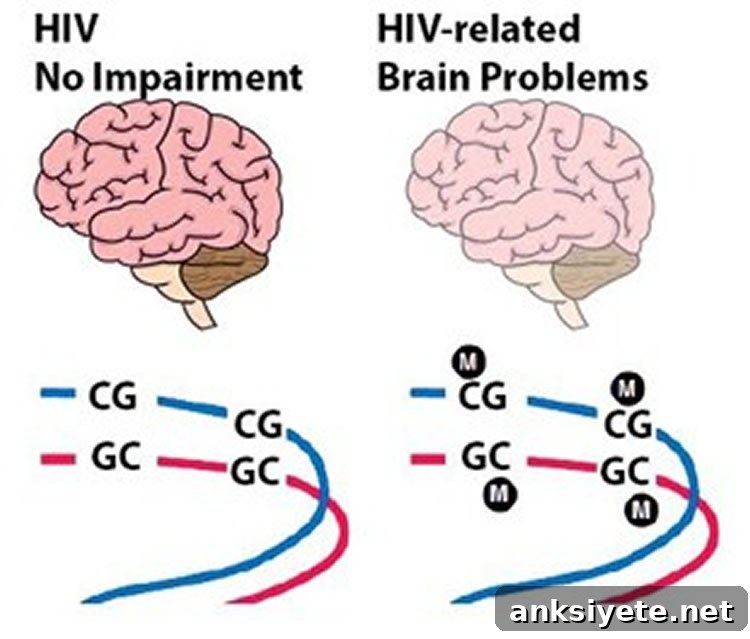
Summary: Researchers have identified a distinct epigenetic signature in certain immune cells that can distinguish people living with HIV who have measurable cognitive impairment. Source: University of Hawaii. University of Hawaiʻi researchers have found a cell-type specific epigenetic footprint in blood monocytes that correlates with HIV-related cognitive impairment. Identifying reliable biomarkers for HIV-associated cognitive impairment … Read more

How Neural Stem Cells Create Highways for RNA Transport

featured 36883

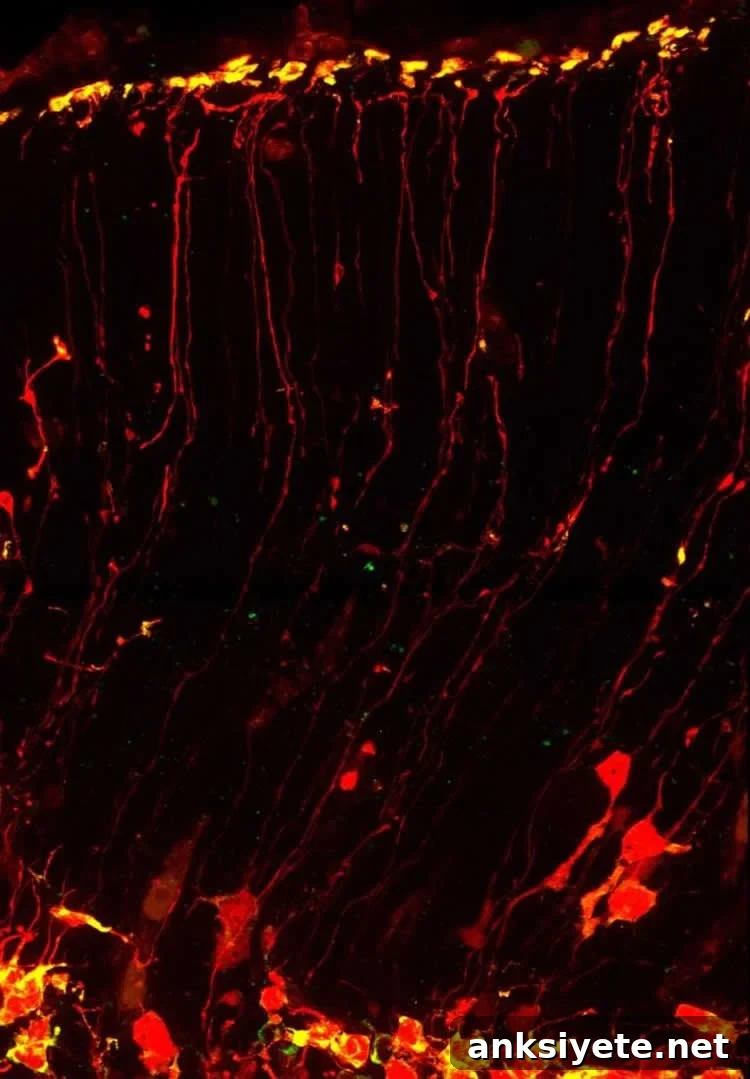
Summary: Researchers observe molecules moving along the length of neural stem cells. Source: Duke University. Scientists visualize potential mechanisms driving formation of new neurons in the brain Researchers at Duke University have captured the first clear images of molecules traveling along a linear pathway that runs the length of neural stem cells—cells essential for generating … Read more

How GPT-3 Performs on Cognitive Tests

featured 91038

Summary: Researchers evaluated the cognitive capabilities of the large language model GPT-3 and found it matches human performance in some tasks but lags in others, likely because it lacks real-world interaction and embodied experience. Source: Max Planck Institute Researchers at the Max Planck Institute for Biological Cybernetics in Tübingen assessed the general intelligence of GPT-3, … Read more

How Brain Ripples During Sleep Lock in Memories

featured 49387

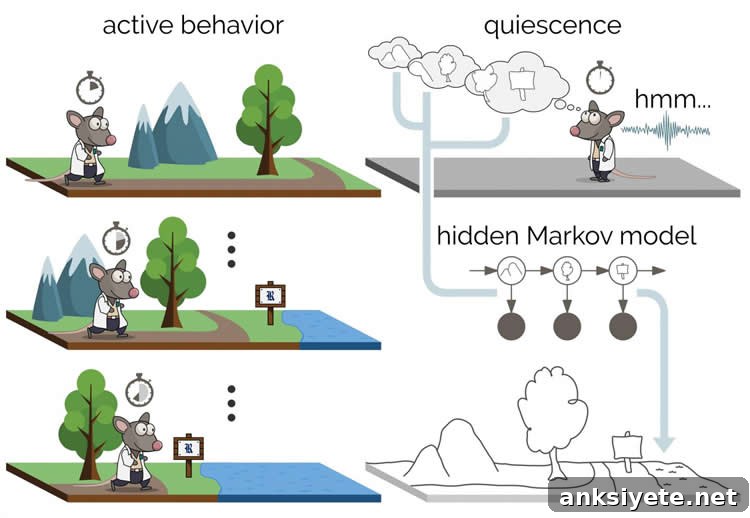
Summary: By applying a machine-learning model to neural recordings, researchers reveal how the brain encodes spatial maps and preserves memory traces during brief pauses and rest. Source: Rice University. Neural activity continues to replay memories even when an animal is not actively exploring. New collaborative research from Rice University and Michigan Medicine shows how brief … Read more