
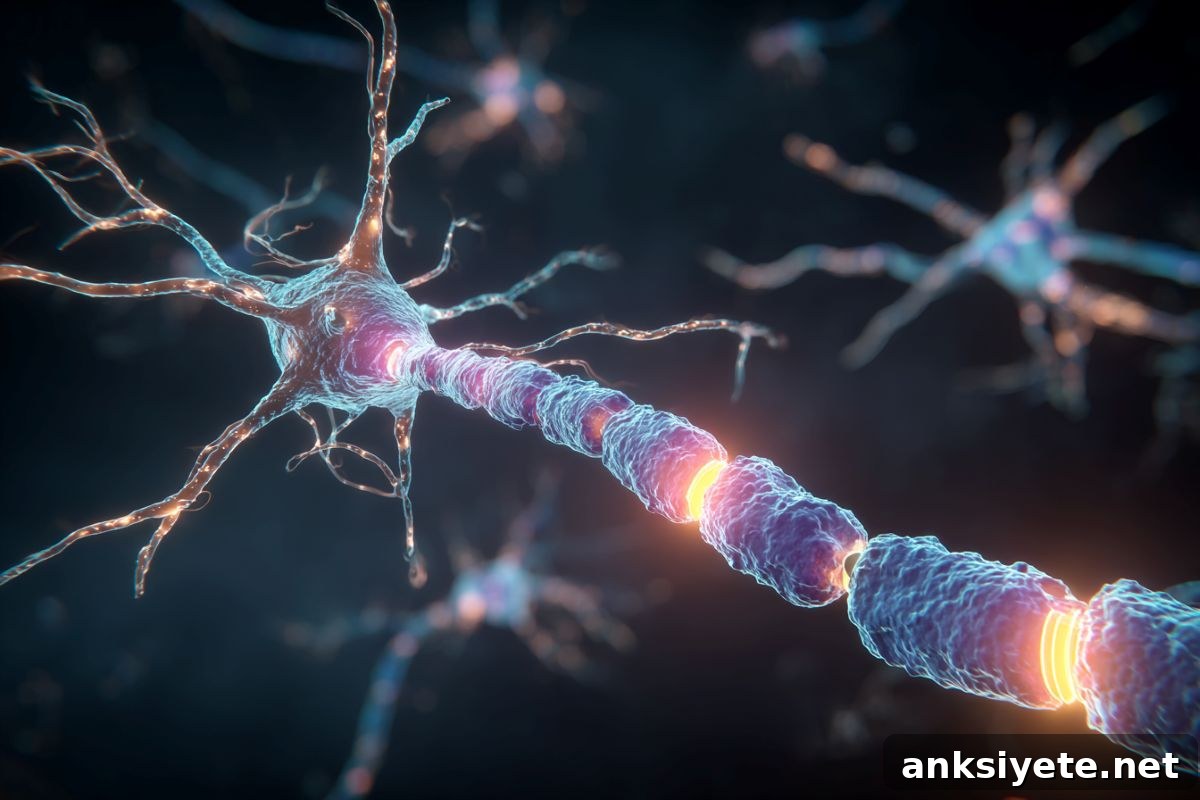
Summary: New research reveals how brief, mild oxygen deprivation (hypoxia) experienced by some preterm infants can produce lasting deficits in learning and memory. Rather than causing obvious brain injury or killing neurons, this form of hypoxia subtly disrupts the maturation of specific protein channels that enable effective neuron-to-neuron communication in the hippocampus.
These molecular changes do not create immediate, visible damage but impede the development of memory circuits that mature during adolescence. Importantly, scientists successfully restored normal synaptic function in adult animal models by targeting a secondary protein that mediates the channel’s dysfunction, suggesting a potential therapeutic avenue.
Key Facts
- Beyond Cell Death: Mild neonatal hypoxia can cause long-term cognitive impairment without detectable brain injury or neuronal loss.
- Adolescent Onset: The affected protein channels complete critical maturation during adolescence, which explains why learning problems often appear later in childhood.
- Reversible Dysfunction: Targeting a secondary protein restored channel function in adult models, indicating that some hypoxia-induced deficits are treatable after development.
- Wider Vulnerability: The altered protein was also detected in brain regions surrounding the hippocampus, implying broader sensitivity to mild drops in oxygen.
Source: SfN
Background: During neonatal intensive care, some preterm infants experience episodes of reduced oxygen supply to tissues and cells. Although links exist between neonatal hypoxia and long-term cognitive problems, the underlying mechanisms—especially when there is no obvious brain injury—have remained unclear.
A team led by Art Riddle and Stephen Back at Oregon Health and Science University modeled clinically relevant mild hypoxia in neonatal mice to investigate how low oxygen after premature birth affects brain development and later cognitive function.
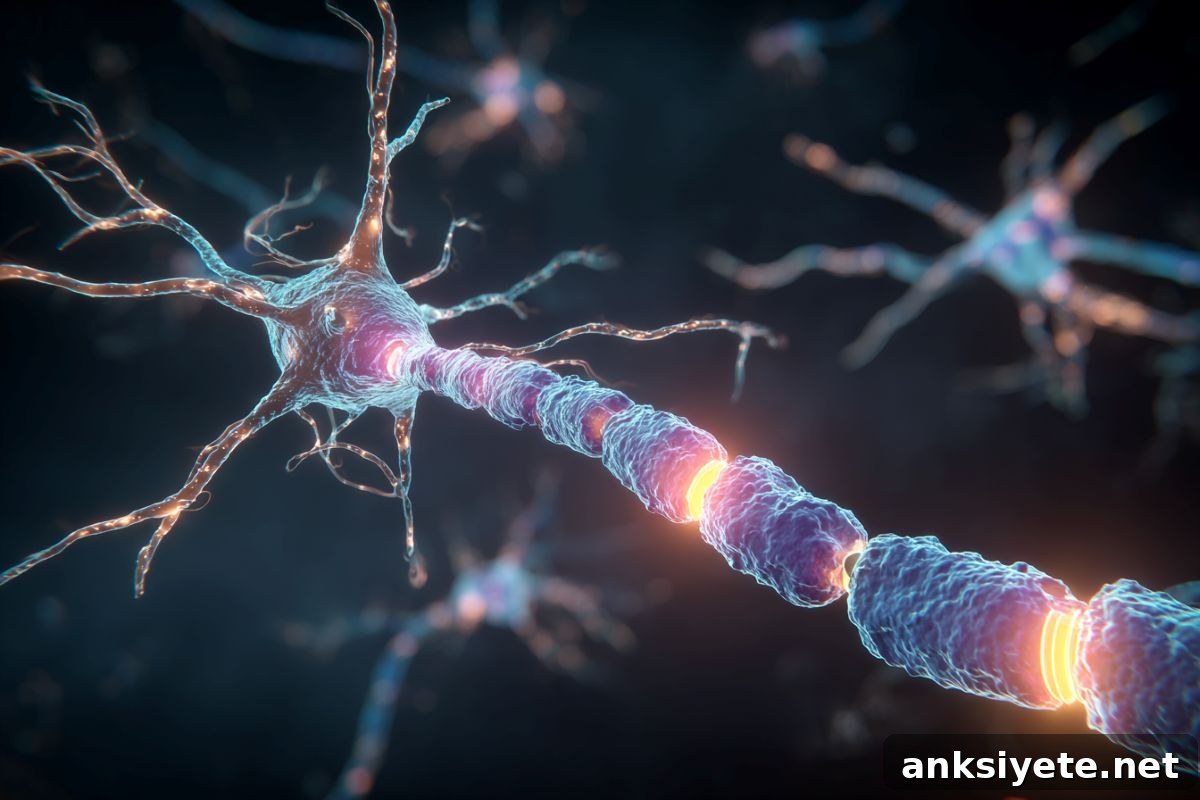
Riddle notes that most prior work centered on white matter injury and neuron loss. This study is one of the first to examine how modest, clinically relevant oxygen deprivation—absent obvious tissue injury—can rewire developmental programs in the neonatal brain.
Published in the Journal of Neuroscience, the study reports that neonatal mild hypoxia impairs learning and memory that persist into adulthood. The researchers traced these long-term deficits to disrupted neuron-to-neuron signaling in the hippocampus, a brain region essential for memory formation.
At the molecular level, the team found that hypoxia targets synaptic components that normally mature in adolescence. Specifically, neonatal hypoxia interfered with the function of calcium-activated potassium channels (SK2) at synapses—channels that regulate spike timing–dependent plasticity and long-term potentiation, both central to memory encoding.
Further experiments identified a second protein—regulated by the kinase CK2—whose altered activity under hypoxia led to loss of SK2 channel function. Blocking CK2 in adult mice restored synaptic SK2 activity and recovered aspects of hippocampal communication, demonstrating functional reversibility despite the early-life insult.
Riddle adds that the same protein changes were observed in regions adjacent to the hippocampus, suggesting that other circuits could also be vulnerable to mild oxygen deprivation. The research team plans to examine those areas in follow-up studies.
Clinically, the findings help explain why many preterm survivors show subtle but persistent cognitive and learning difficulties without clear gray or white matter damage. Since the channels implicated in this study finish developing after the neonatal period, a blueprint for dysfunction can be set early yet only become apparent later when the circuitry matures.
Because the key molecule affected by hypoxia is not expressed at the time of the hypoxic event, the researchers intend to search for additional molecular targets that act earlier in development and could be targeted to prevent later deficits.
Key Questions Answered:
A: Think of it as a software problem rather than hardware failure. Hypoxia may spare neurons but alters the way synaptic proteins develop, leading to impaired communication between neurons that becomes evident as the brain matures.
A: The specific synaptic channels affected complete critical stages of maturation during adolescence. The molecular disruption occurs early, but the functional consequences appear only when those circuits are recruited in later development.
A: This work offers encouraging evidence that some deficits are reversible. By targeting CK2-mediated pathways in adults, researchers restored SK2 channel function and aspects of synaptic communication, implying potential treatment windows beyond infancy.
Editorial Notes:
- This article was edited by a Neuroscience News editor.
- The journal paper was reviewed in full.
- Additional context was added by the editorial staff.
About this neurology and aging research news
Author: SfN Media
Source: SfN
Contact: SfN Media – SfN
Image: The image is credited to Neuroscience News
Original Research: Closed access.
“Mild Neonatal Hypoxia Targets Synaptic Maturation, Disrupts Adult Hippocampal Learning and Memory, and is Associated with CK2-Mediated Loss of Synaptic Calcium-Activated Potassium Channel KCNN2 Activity” by Art Riddle et al., Journal of Neuroscience
DOI: 10.1523/JNEUROSCI.1643-25.2026
Abstract
Mild Neonatal Hypoxia Targets Synaptic Maturation, Disrupts Adult Hippocampal Learning and Memory, and is Associated with CK2-Mediated Loss of Synaptic Calcium-Activated Potassium Channel KCNN2 Activity
Preterm infants often experience brief episodes of low oxygen whose long-term clinical significance is not fully understood. Because many preterm survivors display lifelong memory impairments despite little or no apparent gray matter injury, the researchers examined whether mild hypoxia alone—without ischemia—can produce persistent disruptions in hippocampal learning and memory mechanisms.
Using a mixed-sex neonatal mouse model, the team induced clinically relevant oxygen desaturation without the hallmarks of hypoxia-ischemia such as bradycardia, seizures, neuroinflammation, or neuronal/glial degeneration. Transcriptomic profiling revealed that immature synaptic components in the hippocampus were broadly affected by mild hypoxia.
Neonatal hypoxia produced lasting deficits in hippocampal-dependent learning and abnormal maturation of CA1 neurons that persisted into adulthood. These deficits coincided with reduced CA3-to-CA1 synaptic strength, impaired long-term potentiation (LTP), and loss of synaptic activity of calcium-sensitive SK2 channels—key regulators of spike timing–dependent plasticity and memory encoding.
Advanced imaging showed reduced synaptic density without a change in SK2 localization. The persistent loss of SK2 function was linked to increased CK2 phosphorylation of synaptic calmodulin; pharmacological CK2 blockade restored SK2 activity.
In sum, clinically relevant mild neonatal hypoxia is sufficient to disrupt hippocampal maturation and synaptic function into adulthood without overt gray or white matter injury, suggesting a mechanistic basis for cognitive and learning disabilities seen in survivors of preterm birth.