Could a Genetic Variant Explain Alzheimer’s?

featured 11090

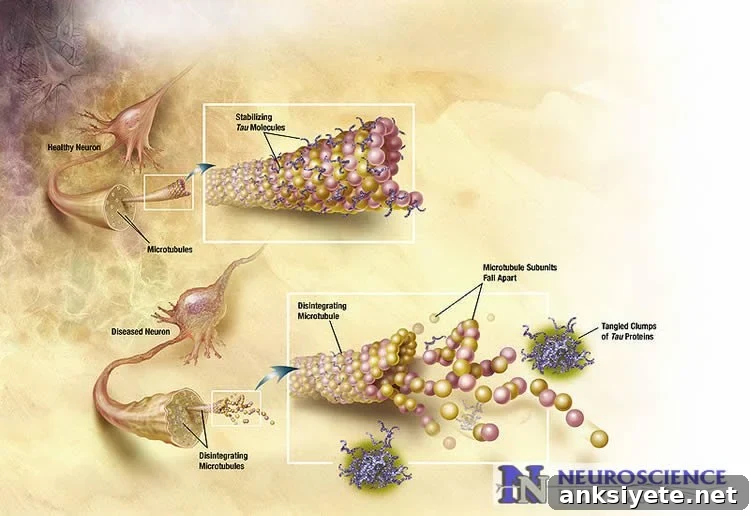
What if we could identify a inherited cause of Alzheimer’s disease and take steps to lessen its impact? New genetic research from the University of Kentucky brings that possibility closer. Scientists at the UK Sanders-Brown Center on Aging have reported new findings in Alzheimer’s genetics in a paper published in the Journal of Neuroscience. Their … Read more

Interpersonal Psychotherapy (IPT): A Case Study

featured 20062

How often do you find that relationships are your main source of stress, sadness, or worry? If your answer is “often,” Interpersonal Psychotherapy (IPT) may offer a practical and evidence-based way forward. IPT is a brief, attachment- and relationship-focused therapy designed to help people resolve interpersonal problems that contribute to mood disorders such as depression. … Read more

How to Tell If a Smile Is Fake or Genuine

featured 47105

Summary: Researchers report that smiles can either reduce or raise physical stress depending on how they are interpreted. Source: Bar Ilan University. Sweaty palms, a racing heart, a shaky voice—many people find public speaking distressing. Anticipation of social evaluation activates multiple bodily systems connected to stress, and it especially engages the hypothalamic-pituitary-adrenal (HPA) axis, the … Read more

Study Finds New Genes Linking Autism and Heart Defects

featured 78601

Summary: By jointly analyzing genetic sequencing data from individuals with congenital heart disease and autism, researchers discovered 23 genes associated with congenital heart defects, 12 of which were not previously reported. Source: PLOS Scientists have identified nearly two dozen genes that contribute to congenital heart defects by combining genetic data from people born with heart … Read more

Why Your Brain Rewards You Twice During Every Meal

featured 53070

Summary: Researchers report that eating triggers dopamine release in the human brain at two distinct times—first when food is tasted and again after it reaches the stomach. Source: Cell Press. New research from the Max Planck Institute for Metabolism Research in Germany shows that dopamine, a key neurotransmitter involved in pleasure and motivation, is released … Read more

17+ Effective Therapeutic Activities and Therapy Exercises

featured 138627

Most therapeutic approaches benefit when clients complete structured homework or take-home exercises between sessions. These activities help translate insights from sessions into everyday change, reinforce new skills, and accelerate progress toward treatment goals. Research has repeatedly shown that homework is a reliable mechanism for producing clinical improvement across many conditions (for example, in depression and … Read more

Study Links Repetitive Behaviors in Autism to Gut Issues

featured 69598

Summary: New research identifies a relationship between repetitive behaviors common in autism and gastrointestinal (GI) problems. The study also reports that greater overall autism symptom severity is linked to more severe constipation, stomach pain, and other GI issues, while social and communication challenges showed no clear connection to GI symptoms. Source: Ohio State University Researchers … Read more

Moderate and Vigorous Exercise Improves Sleep Quality

featured 90346

Summary: Regular physical activity improves sleep quality—especially among women—according to a recent study. Source: Japan Advanced Institute of Science and Technology Good-quality sleep is essential for both physical and emotional health. Sleep supports recovery, cognitive function, and long-term health. Adequate sleep is linked to better outcomes across a range of conditions, including cardiovascular and metabolic … Read more

Health Coach Templates Toolkit to Boost Client Success

featured 143941

Much of our wellbeing depends on the everyday choices we make. While we cannot control every aspect of health, we can influence many outcomes through lifestyle, habits, and deliberate behavior change (Normand & Bober, 2020). Health and wellness coaching helps individuals and groups identify meaningful goals, build motivation, and make sustainable changes that support overall … Read more

AI Predicts Alzheimer’s Years Before Clinical Diagnosis

featured 52293

Summary: Researchers report a convolutional neural network that analyzes FDG-PET brain scans to identify biological signs of Alzheimer’s disease years before clinical symptoms appear. Source: RSNA. Artificial intelligence enhances brain imaging’s ability to predict Alzheimer’s disease, a study in Radiology finds. Early diagnosis of Alzheimer’s disease is critical because treatments and lifestyle interventions are most … Read more