
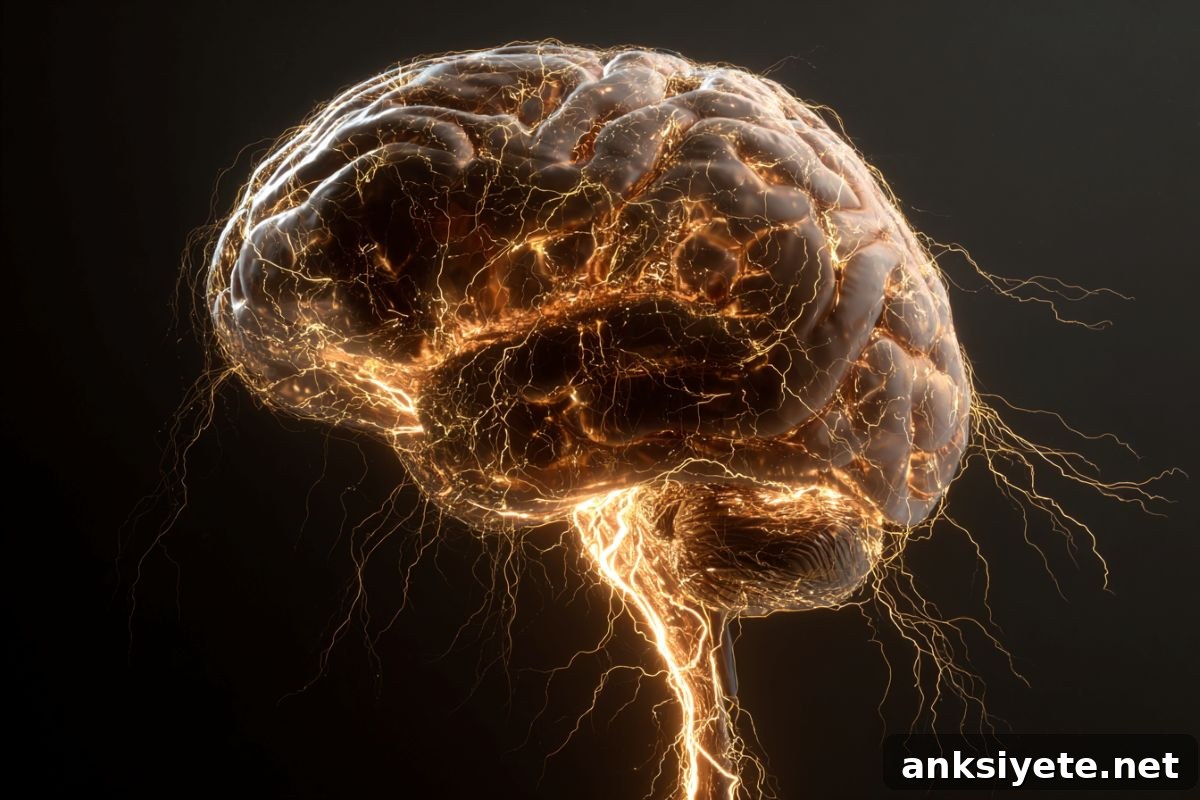
Summary: In the animal world, winning a confrontation is valuable but sustaining injury can be costly. To minimize harm, many species rely on threat displays—posturing and intimidation—before escalating to physical attacks. New research has identified a specific brain circuit that controls the switch from intimidation to actual biting attacks, revealing how stress can bias animals toward more destructive aggression.
By tracing and manipulating projections from the lateral hypothalamus (LH) to the dorsal raphe nucleus (DRN), researchers demonstrated that this LH→DRN pathway selectively gates physical attacks while leaving threat displays intact. Activating or inhibiting this circuit turned biting aggression on and off, offering a mechanistic explanation for how early-life stress might program maladaptive, intense aggression later in life.
Key Facts
- The “attack” circuit: The LH-to-DRN pathway was identified as a principal controller of direct physical strikes. Stimulating this connection increased hard bites without affecting pre-fight threat displays.
- Links to stress: Typical animals use threat displays to avoid costly injury, but animals exposed to early-life stress sometimes bypass posturing and proceed straight to biting. This pathway appears to underlie that loss of restraint.
- Aversive internal state: Animals avoided places associated with activation of this pathway, indicating that the brain state driving intense aggression can be aversive. This suggests aggression driven by this circuit may arise from internal distress or negative emotion rather than straightforward dominance seeking.
- Modular control of aggression: Inhibiting the LH→DRN projections stopped bite attacks while leaving intimidation behaviors unchanged, demonstrating that the neural programs for signaling and for violence are functionally separable.
Source: University of Tsukuba
Context: Aggression plays a necessary role in territory defense and resource protection, but when it becomes excessive the risk of severe injury rises for all parties. To reduce such risks, many species—including male mice—use threat displays as an opportunity for one party to yield without a costly fight.
Past studies have shown that early-life stress can disrupt this balance, producing animals that skip warning signals and engage in disproportionate biting. The current study sought to uncover the neural mechanisms that normally preserve the sequence from threat display to potential escalation, and to explain how stress can break that sequence.
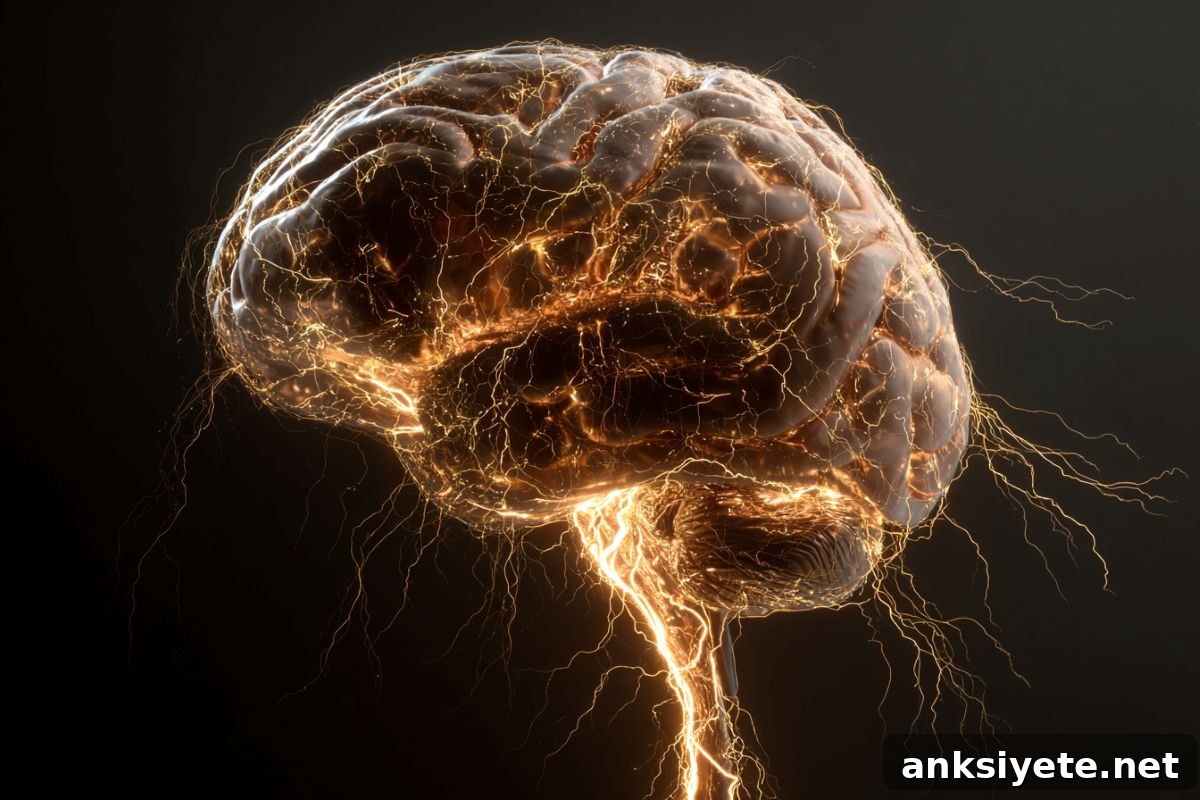
The investigators used targeted neural circuit mapping and both optogenetic and chemogenetic tools to bidirectionally manipulate LH→DRN projections in male mice. Activating this pathway reliably increased attack bites—especially strong, damaging bites—during encounters between males and sustained aggressive attacks in contexts where such escalation would normally subside. Conversely, suppressing activity in this pathway specifically reduced attack bites while leaving threat displays intact.
An additional key observation was that animals avoided locations paired with activation of this circuit, indicating that its engagement produces an aversive internal state that may underlie aggressive arousal. In other words, intense aggression driven by LH→DRN activity may be rooted in negative internal states rather than a purely rewarding sensation of dominance.
While human aggression is more complex than that of mice, the hypothalamus and raphe nuclei are conserved brain structures across species. The study gives a plausible neural account for how stress and negative affect can increase irritability and lower the threshold for violent responses. Understanding this circuit may help guide future research into interventions that target the underlying stress and affective states that predispose individuals to maladaptive aggression, rather than seeking a single “anti-aggression” drug.
Funding: This study was supported by the Japan Society for the Promotion of Science (JSPS) DC-2 Grant Number 24KJ0492, Japan Science and Technology Agency (JST) FOREST Program Grant Number JPMJFR214A, JSPS KAKENHI Grant Numbers 22K19744 and 22H02660, and a research grant from the Astellas Foundation for Research on Metabolic Disorders.
Key Questions Answered:
A: Threat displays act as an evolutionary safety mechanism. A severe bite can cause infection or broken bones for both combatants. By signaling strength, an animal gives rivals a chance to retreat and prevent injury. The new findings show that the brain implements dedicated circuitry to keep these threat signals from escalating into damaging attacks prematurely.
A: Although human behavior is influenced by many additional social and cognitive factors, homologous brain structures exist in humans. When an analogous circuit becomes hyperresponsive, it could create an aversive internal state—feeling on edge or irritable—that makes minor provocation trigger a disproportionate aggressive response.
A: In laboratory animals, inhibiting this pathway reduced biting. Translating this to humans does not imply a simple universal “off switch.” Instead, these results emphasize treating the underlying stress and negative affect that sensitize such circuits, which may be a more productive approach to reducing maladaptive aggression.
Editorial Notes:
- This article was edited by a Neuroscience News editor.
- The original journal paper was reviewed in full for accuracy.
- Additional explanatory context was added by editorial staff to clarify implications.
About this aggression and neuroscience research news
Author: YAMASHINA Naoko
Source: University of Tsukuba
Contact: YAMASHINA Naoko – University of Tsukuba
Image credit: Neuroscience News
Original Research (open access): “Lateral hypothalamus to dorsal raphe nucleus projections modulate intraspecific attack behavior in male mice” by Koshiro Mitsui, Yoan Cherasse, Takeshi Sakurai, and Aki Takahashi. Journal: iScience. DOI: 10.1016/j.isci.2026.115427
Abstract
Lateral hypothalamus to dorsal raphe nucleus projections modulate intraspecific attack behavior in male mice
Aggressive behavior comprises distinct components, including threat displays and direct physical attacks, that typically occur in a coordinated sequence. Here, the authors identify the lateral hypothalamus (LH) to dorsal raphe nucleus (DRN) projection as a key pathway that bidirectionally and selectively controls attack bites while leaving threat displays intact in male mice. Optogenetic activation of this pathway enhanced attack bites without affecting threats during intermale aggression and sustained attacks toward female intruders when such behavior would normally cease. Activation of the pathway also induced place avoidance, suggesting it generates aversive states that may drive aggressive arousal. Both chemogenetic and optogenetic inhibition selectively reduced attack bites without altering threat displays. These findings establish the LH→DRN projection as a functionally defined circuit that dissociates the regulation of direct physical aggression from social signaling, providing insight into how distinct aggressive components can be independently controlled and how maladaptive aggression patterns may arise.