
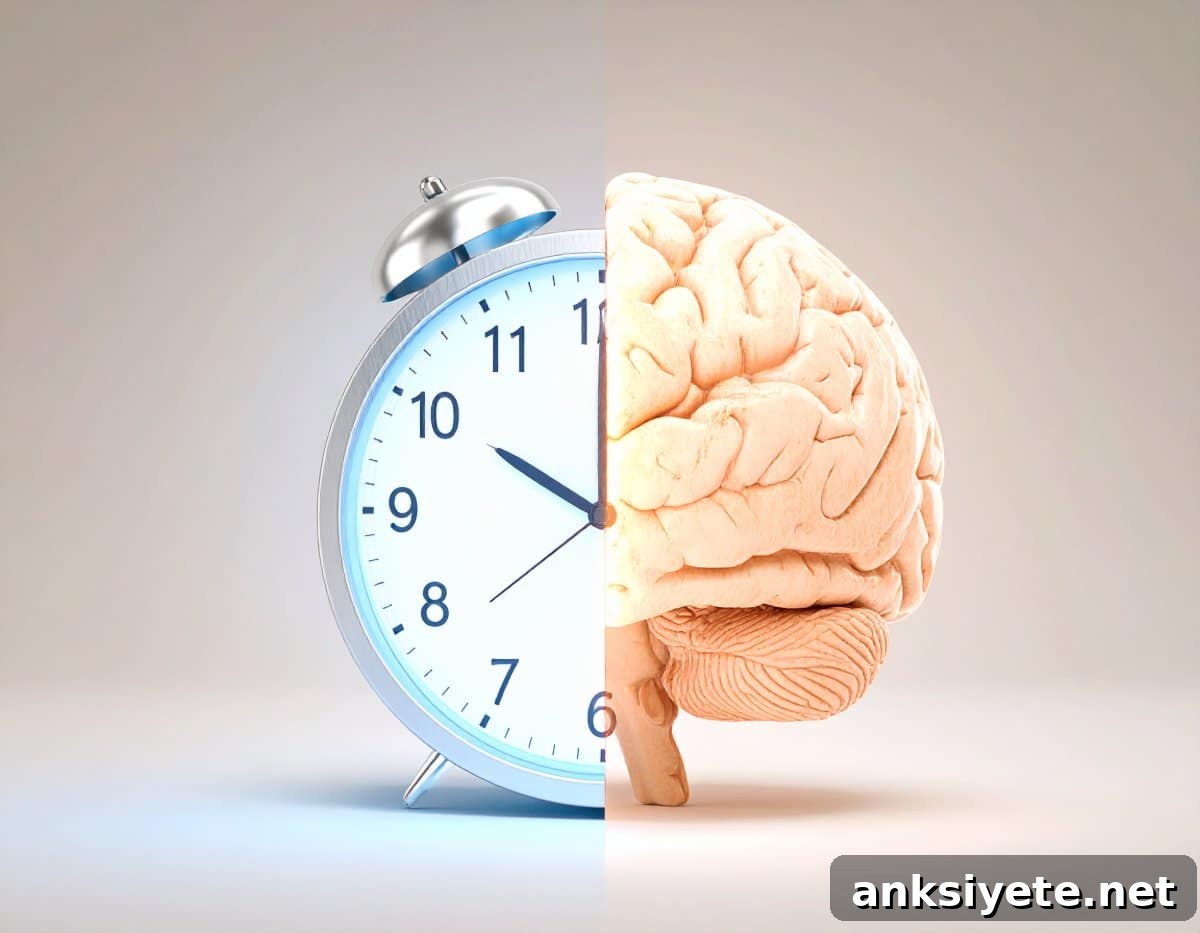
Summary: New research shows that artificial light at night disrupts far more than sleep. It can alter immune responses, metabolism, mood, and brain function. Circadian rhythms—biological clocks shaped by millions of years of evolution—coordinate many essential processes, and modern lighting and irregular schedules can throw those rhythms off balance.
Clinical trials are now testing light-based approaches to improve outcomes for patients in intensive care, night-shift workers, and other groups exposed to atypical light patterns. The findings underscore the need to align daily life more closely with natural light-dark cycles to protect mental and physical health.
Key facts:
- Circadian disruption from artificial light affects immune, metabolic, and mental health.
- Clinical trials are investigating light interventions in ICUs and among shift workers.
- Recognizing time-of-day as a biological variable could improve research reproducibility and treatment outcomes.
Source: Genomic Press
In a new Genomic Press Innovators & Ideas interview, renowned neuroscientist Dr. Randy J. Nelson discusses his pioneering work on how disrupted circadian rhythms influence brain function and overall health.
Published in Brain Medicine, the interview traces Dr. Nelson’s unconventional journey—from working nights at a turkey processing plant and assisting with autopsies to becoming a leading expert on biological rhythms. His career path, which included earning two PhDs simultaneously (Psychology and Endocrinology at UC Berkeley), shaped an integrative research approach that links behavior, hormones, immunity, and neural health.
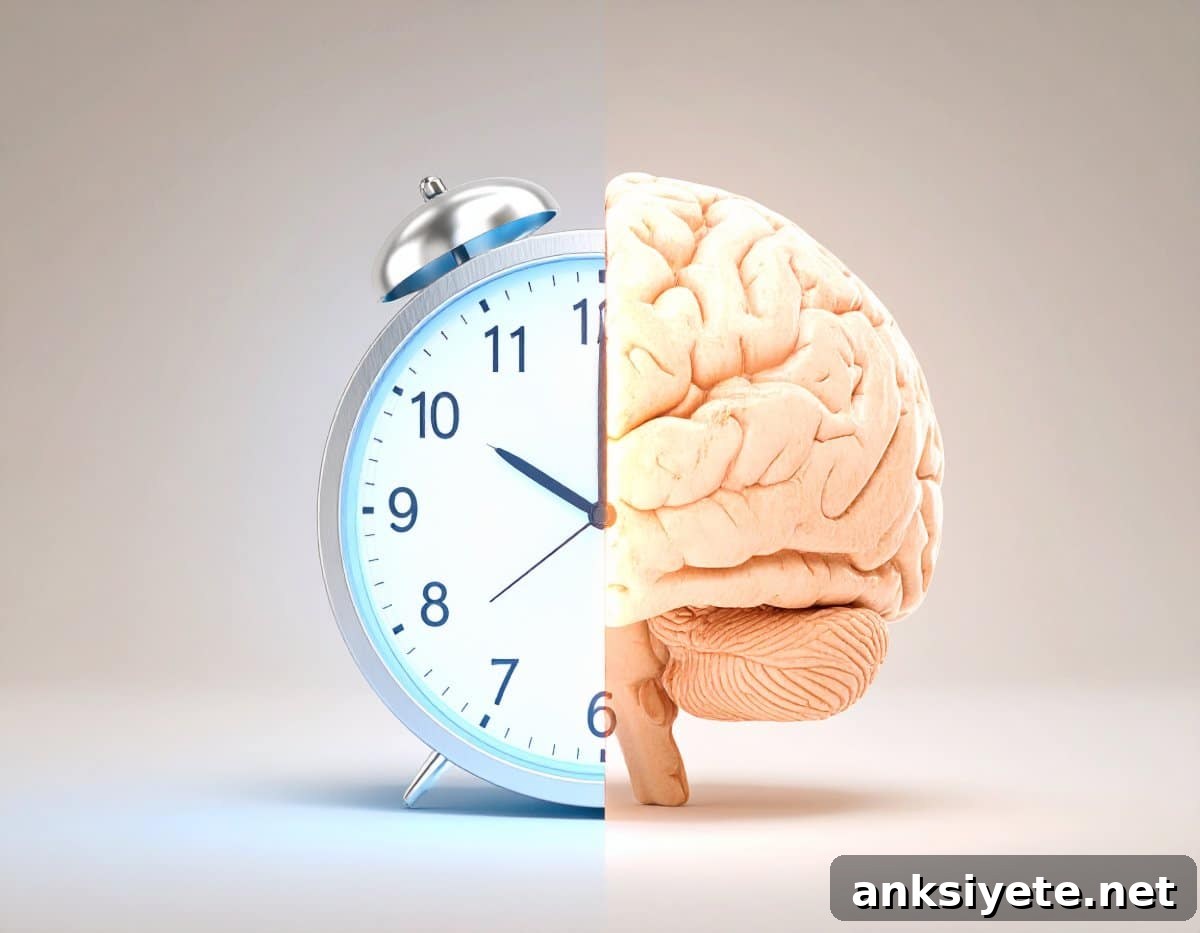
As chair of the Department of Neuroscience at West Virginia University, Dr. Nelson has spent the past decade documenting the hidden consequences of nighttime light exposure. His lab’s work shows that artificial light at night does more than degrade sleep: it can reshape immune reactions, promote neuroinflammation, disturb metabolic regulation, and affect mood stability.
From Night Shifts to Neuroscience Leadership
Dr. Nelson’s background is notable for its variety. Early night-shift work and practical experiences in medical settings led him to research positions and academic appointments, including at Johns Hopkins and Ohio State, before his current role at West Virginia University. His diverse training allowed him to bridge multiple disciplines and focus on how environmental factors like light influence biology.
Circadian Disruption: A Contemporary Health Issue
The laboratory’s findings reveal consistent patterns: exposure to light at inappropriate times interferes with immune defenses and can either blunt protective responses or provoke excessive inflammation. Circadian misalignment is also linked to metabolic changes that may contribute to weight gain and related disorders, and it has measurable effects on mood regulation, increasing vulnerability to depression and anxiety in some people.
Open questions remain central to ongoing research: which wavelengths are most disruptive, how long recovery takes after chronic exposure, and how much time-of-day alters biological responses. Answering these questions could guide practical recommendations for lighting design, clinical care, and work schedules.
From Bench to Bedside: Light-Based Interventions
Dr. Nelson’s team is actively translating lab discoveries into clinical trials. Two major studies target ICU patients recovering from stroke or cardiac surgery, groups especially sensitive to the constant, bright lighting common in hospital settings. The trials test whether reducing disruptive light exposure or strategically timing light can improve recovery.
A separate trial is evaluating whether bright blue light visors can help night-shift nurses realign their rhythms to reduce sleep problems, boost alertness, and stabilize mood. If effective, similar interventions could be applied more broadly to help shift workers in healthcare, manufacturing, transportation, and other sectors maintain better health despite irregular hours.
Time-of-Day as a Critical Biological Variable
One of Dr. Nelson’s important recommendations is to treat time-of-day as an essential variable in research. Experimental results can differ depending on when measurements are made, yet many studies omit this detail. Accounting for circadian timing could improve reproducibility and explain conflicting findings across laboratories.
Mentoring the Next Generation
Across appointments at Johns Hopkins, Ohio State, and West Virginia University, Dr. Nelson has mentored dozens of PhD students and postdoctoral researchers. He emphasizes supportive lab environments and strategic mentorship to help young scientists navigate early-career challenges. As president of the Association of Medical School Neuroscience Department Chairs, he advocates for resources and policies that help early-career faculty balance research demands with career development and well-being.
Practical Steps for Healthier Living
The research points to simple, practical measures the public can adopt: limit evening screen time, choose warmer, lower-intensity lighting after sunset, and keep consistent sleep-wake schedules. These steps respect our evolutionary wiring and may reduce the risk of chronic conditions linked to circadian disruption.
Dr. Nelson has also written for a general audience; his trade book, Dark Matters (Oxford University Press), outlines why circadian hygiene matters and offers guidance for healthier daily rhythms.
About this circadian rhythm and health research news
Author: Ma-Li Wong
Source: Genomic Press
Contact: Ma-Li Wong – Genomic Press
Image: The image is credited to Neuroscience News
Original Research: Open access. “Disruption of circadian rhythms on brain function and health” by Randy J. Nelson et al., Brain Medicine
Abstract
Disruption of circadian rhythms on brain function and health
Randy Nelson studies sleep and circadian rhythms in health and illness. For the past 15 years, his lab has focused on how disrupted circadian rhythms affect physiology and behavior, examining immune function, neuroinflammation, metabolism, sleep, and mood.
Over his career he has published extensively across biological rhythms, behavioral neuroendocrinology, stress, immune function, and aggression. Dr. Nelson trained at UC Berkeley and completed postdoctoral work at the University of Texas, Austin, before faculty positions at Johns Hopkins and Ohio State. In 2018 he joined West Virginia University as professor and inaugural chair of the Department of Neuroscience, where he continues NIH-funded research and contributes to collaborative neuroscience initiatives.
He has mentored numerous PhD students and postdoctoral researchers and shares insights from his research and mentorship in this Genomic Press interview.