
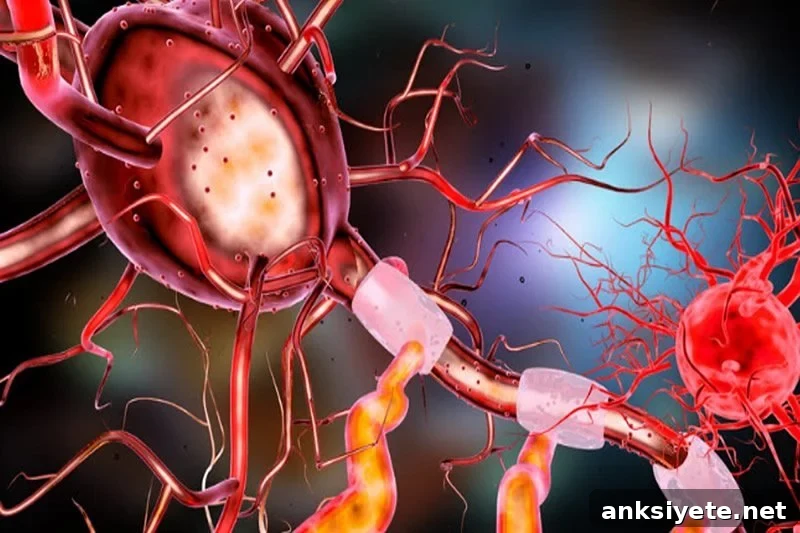
Summary: Using human stem-cell–derived mini-brain models, researchers at Johns Hopkins report that the widely prescribed SSRI paroxetine disrupts key steps of brain cell development in vitro, producing changes that could help explain observed risks when exposure occurs during pregnancy.
Source: Johns Hopkins University
Overview
Scientists at the Johns Hopkins Bloomberg School of Public Health have used laboratory-grown human “mini-brains” to identify developmental brain effects caused by the antidepressant paroxetine. These miniature, three-dimensional brain models—referred to by the team as BrainSpheres—are created from human induced pluripotent stem cells (iPSCs) and reproduce many cellular features of early human brain development. Because they are derived from human cells and can be produced at scale, BrainSpheres provide a promising alternative to costly animal tests for screening drugs and chemicals that may harm the developing nervous system.
Key findings
The study, published in Frontiers in Cellular Neuroscience, exposed BrainSpheres to paroxetine at two concentrations that fall within therapeutic blood levels in humans. Over an eight-week developmental period, researchers observed that paroxetine produced several notable changes:
- Marked reduction in synaptic markers: At the higher concentration, levels of synaptophysin—a core synaptic protein and marker of synapse formation—fell by as much as 80 percent. Two additional synapse-associated markers were also reduced.
- Impaired neurite outgrowth: Normal extension of neurites, the precursor structures that become axons and dendrites, was reduced by roughly 60 percent, indicating hindered neuronal connectivity.
- Loss of oligodendrocytes: The population of oligodendrocytes, the support cells responsible for insulating neuronal circuits and enabling efficient signal transmission, dropped by 40–75 percent compared with control BrainSpheres.
Taken together, these effects indicate that paroxetine at clinically relevant concentrations can interfere with the formation and maturation of neuronal connections and the supporting glial architecture—processes that are essential for healthy brain wiring.
Why this matters
Paroxetine, sold under brand names such as Paxil and Seroxat, is an SSRI (selective serotonin reuptake inhibitor) commonly prescribed for depression and anxiety. The drug can cross the placenta, and its use in early pregnancy already carries warnings because of established risks for congenital heart and lung defects. Epidemiological studies have also suggested links between prenatal SSRI exposure and increased risk of neurodevelopmental disorders, including autism, though those findings have been debated.
The Johns Hopkins results do not prove a causal link between paroxetine and autism in humans, but they reveal cellular-level disruptions in human-derived tissue that could plausibly contribute to neurodevelopmental disorders. Because traditional animal testing is expensive and sometimes poorly predictive of human outcomes, human mini-brain models provide a complementary strategy to identify potential developmental neurotoxicity earlier and more efficiently.
Methods and robustness
Researchers generated BrainSpheres from two independent iPSC lines to test reproducibility. Mini-brains were cultured and exposed to paroxetine concentrations within the therapeutic range for humans. The work emphasized multiple endpoints—synaptic protein expression, neurite extension, and oligodendrocyte counts—showing consistent effects across cell lines and assays. While the BrainSphere system models key aspects of early brain development, it remains an in vitro platform and cannot capture every feature of a developing human brain; nevertheless, it offers a sensitive approach to detect subtle neurodevelopmental effects that other methods may miss.
Implications and future directions
The study reinforces the potential of human-derived organotypic models to screen common drugs and environmental chemicals for developmental neurotoxicity. The authors suggest that BrainSpheres could expand testing capacity at far lower cost than standard animal toxicology—animal testing for a single chemical can average more than $1 million, while mini-brain assays can be carried out for only a few thousand dollars. This scalability could help researchers screen many more compounds to better understand contributors to rising rates of neurodevelopmental disorders.
Funding and disclosures
The research received support from the European Union’s Horizon 2020 program (grant No. 487 681002). Several authors—Thomas Hartung, Helena Högberg, and David Pamies—are named inventors on a Johns Hopkins patent covering mini-brain production. That patent is licensed to AxoSim; the authors consult for AxoSim, and Thomas Hartung holds shares.
About the study
Original research: “Antidepressant Paroxetine exerts developmental neurotoxicity in an iPSC-derived 3D human brain model.” Authors: Xiali Zhong, Georgina Harris, Lena Smirnova, Valentin Zufferey, Rita de Cássia da Silveira e Sá, Fabiele Baldino Russo, Patricia Cristina Baleeiro Beltrao Braga, Megan Chesnut, Marie-Gabrielle Zurich, Helena Högberg, Thomas Hartung, and David Pamies. Frontiers in Cellular Neuroscience. DOI: 10.3389/fncel.2020.00025.
Contact
Johns Hopkins University – Media contacts: Barbara Benham. Image credit: public domain.