Fitness Linked to Stronger Executive Function in Older Adults
featured 23459

Aging commonly brings declines in brain function, including slower information processing and reduced memory. However, research shows that higher cardiorespiratory fitness in older adults is linked to improved executive function—skills used for reasoning, problem solving, task management and multitasking—and to greater brain volume in key regions. A recent study from the Beckman Institute for Advanced … Read more

Why Do I Fall Asleep When I’m Bored?

featured 43812

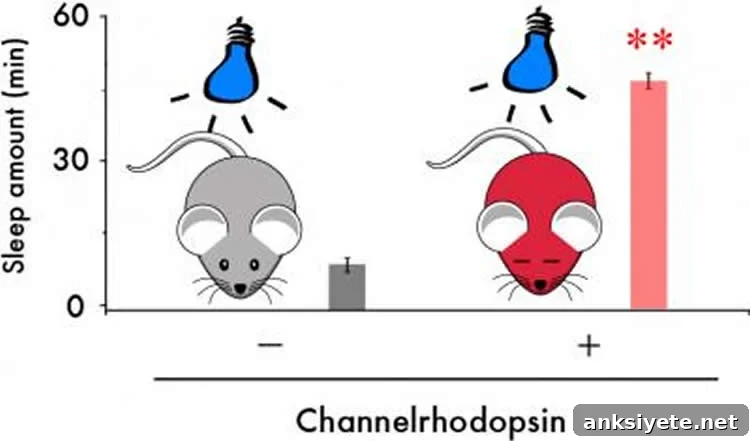
Summary: Researchers report that the nucleus accumbens — a brain area typically linked to reward and motivation — can also trigger slow-wave sleep. These findings may explain why people often fall asleep when unmotivated or bored. Source: University of Tsukuba. University of Tsukuba researcher identifies a brain circuit that encourages sleep when motivation is low … Read more

Cold, Dark Climates Fuel Alcohol Consumption and Liver Disease

featured 52439

Summary: Researchers report that people living in colder regions with fewer daylight hours tend to consume more alcohol than those in warmer, sunnier areas. Climate patterns may contribute to higher rates of alcohol misuse and alcoholic cirrhosis. Source: University of Pittsburgh. Where you live can influence how much you drink. New research from the University … Read more

Study Finds Anxiety Raises Dementia Risk

featured 103830

Summary: A new longitudinal study finds that persistent (chronic) and newly developed (new-onset) anxiety are each linked to a substantially higher risk of developing dementia, while anxiety that resolved over time carries no increased risk. Researchers followed 2,132 Australian adults for an average of 10 years and observed that chronic anxiety raised dementia risk by … Read more

New Study Finds You Might Be Musical Without Realizing It

featured 24651

Practice helps, but personality matters too: a large new study links the trait of Openness to musical ability, even among people who have never played an instrument. A team of psychologists from the University of Cambridge and Goldsmiths, University of London analyzed data from more than 7,000 volunteers—the largest investigation to date of personality and … Read more

Longer Reproductive Period Tied to Women’s Alzheimer’s Risk

featured 75477

Summary: Longer reproductive periods—used as an indicator of prolonged exposure to a woman’s own estrogen—were associated with higher levels of Alzheimer’s disease biomarkers in cerebrospinal fluid in a long-term observational study. Source: NAMS Background: Estrogen has long been investigated for its potential influence on a woman’s risk of developing Alzheimer’s disease (AD). Rather than measuring … Read more

Study: Recreational Cannabis Access Cuts Prescription Drug Use

featured 81985

Summary: New research shows that legalizing recreational marijuana is associated with a noticeable decline in the use of certain prescription drugs. The study found significant reductions in prescriptions for conditions such as pain, sleep disorders, anxiety, depression, psychosis and seizures after states legalized adult personal use of cannabis. Source: Cornell University Legal recreational cannabis laws … Read more

How Scientists Map Human Brain Development: Timeline and Stages

featured 86997

Summary: Brain organoids are enabling researchers to map the molecular, genetic, and structural changes that occur during early human brain development. Source: ETH Zurich The human brain is among the most complex organs in nature and has long captivated scientists. Investigating how genes and molecular switches control its development remains a major challenge, since direct … Read more

Microtubules Power Visual Processing in Retinal Neurons

featured 21349

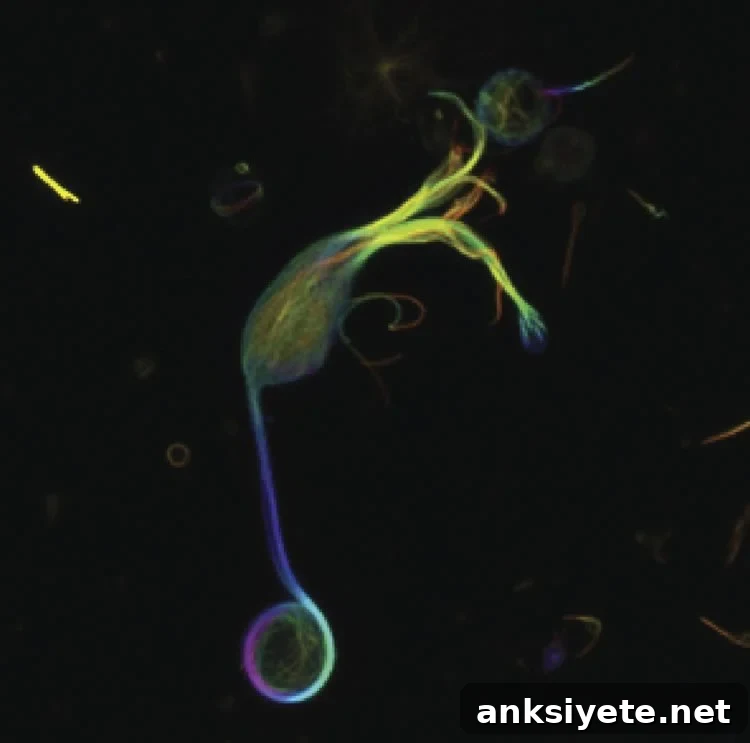
Researchers have identified a prominent band of microtubules in certain retinal neurons that appears to act as a transport pathway for mitochondria, supplying the energy needed for continuous visual processing. These results were published in the July issue of The Journal of General Physiology. The retina, the light-sensitive tissue at the back of the eye, … Read more

Why We Remember and Forget: How to Strengthen Memory

featured 90433

Summary: Researchers explain the mechanisms of memory, why we forget, and share practical, science-backed strategies to preserve and improve memory as we age. Source: Harvard Neurologist Andrew Budson and neuroscientist Elizabeth Kensinger describe how memory works and offer evidence-based advice for keeping it sharp in their new book, “Why We Forget and How to Remember … Read more