
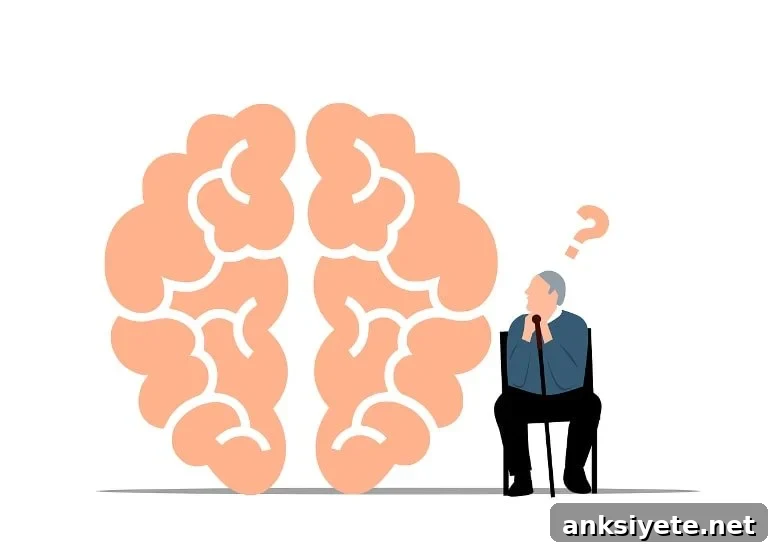
Summary: Researchers explain the mechanisms of memory, why we forget, and share practical, science-backed strategies to preserve and improve memory as we age.
Source: Harvard
Neurologist Andrew Budson and neuroscientist Elizabeth Kensinger describe how memory works and offer evidence-based advice for keeping it sharp in their new book, “Why We Forget and How to Remember Better: The Science Behind Memory,” released Wednesday.
The Gazette interviewed Budson, M.D. ’93, and Kensinger ’98 about the neuroscience of memory and practical approaches to improve recall. This interview has been condensed and edited for clarity and flow.
GAZETTE: What are the most common misconceptions about memory?
KENSINGER: A few persistent misconceptions mislead how we think about memory. First, people often imagine memory as a static file stored somewhere in the brain that can be pulled up effortlessly. In reality, remembering is an active, effortful process: every time we recall an event, we rebuild it.
Second, “photographic” or effortless perfect memory is largely a myth. When it seems like we remember random details without trying, there is usually a reason—emotions, surprise, or focused attention at the time helped those details get encoded.
Third, many view forgetting as purely negative. But forgetting serves a purpose: it prunes irrelevant details so we can use the most useful parts of our past to predict and respond to the present and future. Without some forgetting, our ability to reason and act efficiently would be impaired.
GAZETTE: Why do we forget things?
KENSINGER: We can think of memory as having three essential stages. First is encoding—the process of getting information into memory. Second is storage or consolidation—keeping that information over time. Third is retrieval—bringing the information to mind when needed. Memory failures can occur at any of these stages. The most common breakdown happens at encoding, when we don’t pay enough attention or fail to invest effort in forming the memory.
GAZETTE: How can we make sure we remember things we need to remember?
KENSINGER: In the book we use a simple mnemonic, FOUR, to describe four steps that improve encoding: Focus attention, Organize the information, Understand it, and Relate it to existing knowledge. These steps help the brain form stronger, more retrievable memories.
When retrieval fails—like knowing an answer during study but not on an exam—avoid guessing blindly. Instead use general retrieval cues: recall the last time you encountered the information, the context, and associations that might trigger the memory.
GAZETTE: How can sleep, or lack thereof, affect our memory?
KENSINGER: Sleep plays a critical role in consolidating memories, turning fragile, short-term traces into more stable long-term knowledge. Without enough sleep, recently learned information is less likely to be retained.
BUDSON: Sleep also appears to support brain health by allowing clearance of certain proteins that build up during waking hours. While research is ongoing, there is evidence that sleep helps the brain refresh and maintain the cellular environment needed for healthy memory function. Beyond sleep, good nutrition, regular aerobic exercise, maintaining a healthy weight, and staying socially engaged all contribute to brain health.
GAZETTE: Sudoku or crossword puzzles? Which one helps keep our brain healthy and memory strong?
BUDSON: Practice makes you better at the specific task you practice: playing Sudoku improves at Sudoku, and brain-training games improve at those games. These improvements don’t always generalize to overall cognitive function. However, novel and varied cognitive activities do show benefits. Crosswords may be especially helpful because they continually challenge verbal knowledge in different ways. Crucially, humans evolved for social interaction, so maintaining rich social engagement is a key ingredient for cognitive well-being, alongside a healthy lifestyle and varied mental stimulation.
GAZETTE: How does memory change with aging?
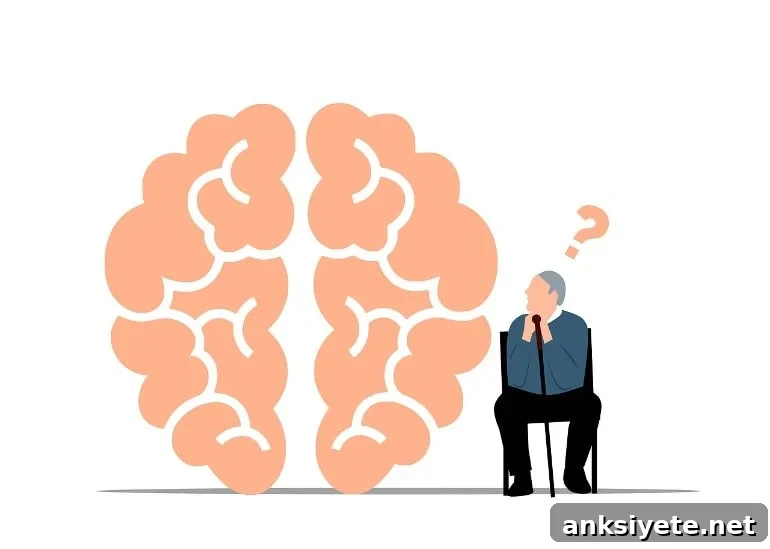
KENSINGER: In normal aging—excluding conditions like Alzheimer’s—memory annoyances are common. People often struggle with proper names or specific details, and memory tends to shift toward remembering the gist of experiences rather than exact details. This tendency can cause frustration and make us prone to certain memory distortions or false memories. There are, however, positive aspects: focusing on the gist and similarities across events may contribute to the practical knowledge and perspective often called wisdom in older adults.
GAZETTE: Of the many tips to improve memory you share in your book, which has been the most helpful to you?
BUDSON: Use memory aids. There is nothing wrong with outsourcing memory to notes, calendars, reminders, and secure digital password managers. I rely on lists, planners, and routines, and I try to be present and minimize multitasking so I encode events more reliably. Turning important actions into consistent habits reduces the cognitive load.
KENSINGER: The FOUR mnemonic is very practical: it reminds you to focus, organize, understand, and relate new information. Small, self-generated mnemonics work well—creating a meaningful sentence to remember an alphanumeric password, for example. Simple habits, like saying aloud where you set your phone, help prevent encoding failures. For students, avoid cramming: spacing study across many sessions, varying study environments and contexts, and getting adequate sleep all support consolidation and deeper understanding.
About this memory research news
Author: Liz Mineo
Source: Harvard
Contact: Liz Mineo – Harvard
Image: The image is in the public domain