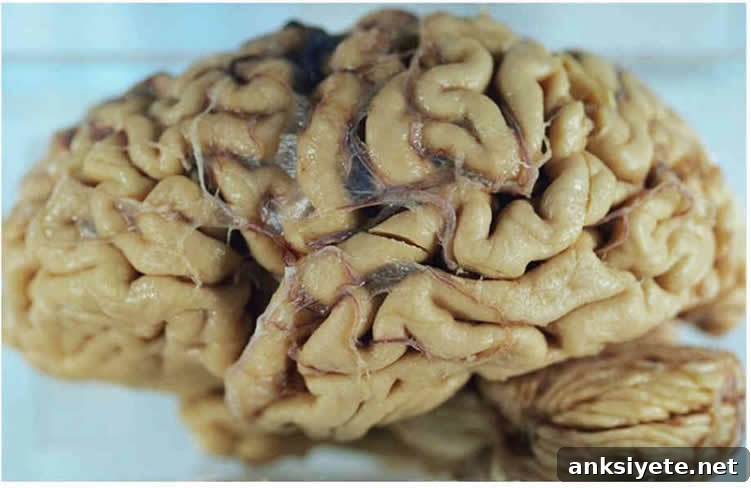
Human-on-a-Chip Model Sheds Light on ALS Pathology
featured 67115

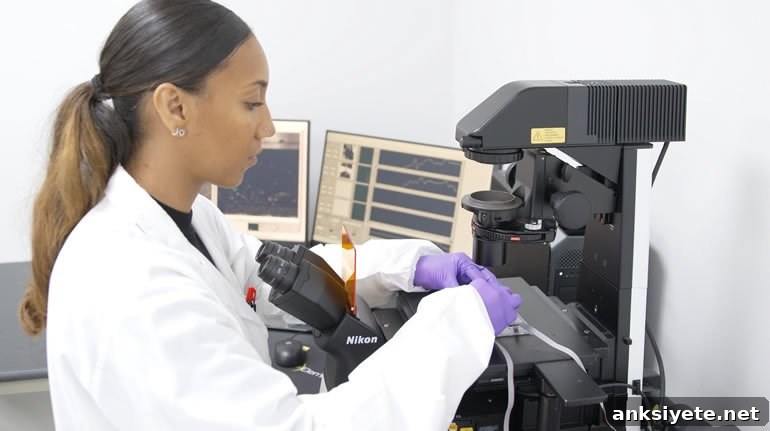
Summary: Human-on-a-Chip technology offers a clinically relevant, human-based model that may improve ALS modeling and drug screening. Source: University of Central Florida Researchers report that a Human-on-a-Chip platform developed at the University of Central Florida produces a reliable, clinically relevant model of amyotrophic lateral sclerosis (ALS) and could speed discovery and screening of new therapies … Read more

New Study Finds Brain Network Decline in Early Alzheimer’s

featured 11154

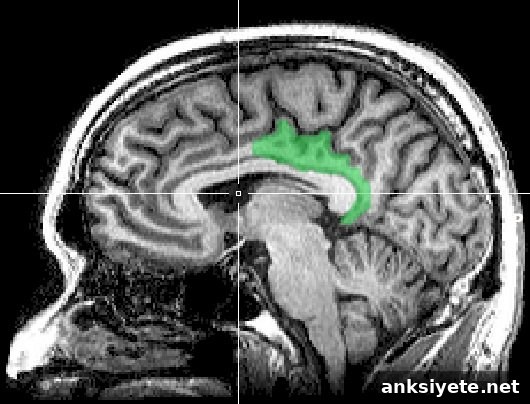
Disruptions in brain networks appear alongside spinal fluid markers in early Alzheimer’s disease Researchers at Washington University School of Medicine in St. Louis report that changes in brain network connectivity can be detected at about the same time that established biochemical markers of early Alzheimer’s disease appear in cerebrospinal fluid. The findings suggest that noninvasive … Read more

Tiny Genetic Changes Shaped Brain Evolution

featured 6510

Changes to just three genetic letters among billions contributed to the evolution and development of the mammalian motor sensory circuits and laid the groundwork for the defining characteristics of the human brain, Yale University researchers report. Yale researchers report that a tiny change in the genome helped shape an essential neural pathway unique to mammals. … Read more

New Visual Illusion Reveals How the Brain Builds Perception

featured 75275

Summary: A newly designed optical illusion helps researchers probe how the visual system constructs perception. The illusion generates fleeting, shimmering rays that people perceive though they are not physically present, illustrating how vision creates a subjective interpretation of sensory input. Source: NYU A novel illusion developed by a visual artist and a psychology researcher highlights … Read more

Study Finds Hidden Cause of Permanent Hearing Loss

featured 114879

Summary: New research shows that permanent hearing loss may arise not only from failed ion channels but from a previously hidden function of the same proteins. TMC1 and TMC2, long known for converting sound into electrical signals, also act as lipid scramblases. When this scramblase activity is disrupted by genetic mutations, loud noise, or some … Read more

How Accents Shape Perceptions of Guilt

featured 107602

Summary: Accents shape how people are perceived, and this new research shows that voices judged as “lower status” are more likely to be assumed guilty of crimes. In a study of 180 UK listeners, participants rated voices representing ten regional accents on social traits and the likelihood of carrying out various behaviours, including criminal acts. … Read more

Does Congenital Blindness Lower Risk of Schizophrenia?

featured 54242

Summary: New research indicates that congenital or very early cortical blindness—blindness from birth or shortly thereafter—appears to protect against the development of schizophrenia. Investigators suggest that compensatory cortical reorganization and brain plasticity may underlie this protective effect. Source: University of Western Australia. A recent whole-population study by The University of Western Australia provides strong evidence … Read more

New Study: Exercise Hormone Could Slow Alzheimer’s Progression

featured 53334

Summary: Researchers report that the brains of people with Alzheimer’s disease contain lower levels of the exercise-related hormone irisin. Increasing irisin in the brain may slow progression of the neurodegenerative condition. Source: Queen’s University Queen’s University researcher Fernanda De Felice (Psychiatry), together with collaborators from the Federal University of Rio de Janeiro, has identified an … Read more

Could Sleep Duration Affect Sperm DNA Integrity?

featured 44251

Summary: Researchers have identified an association between men’s sleep duration and the chromosomal quality of their sperm. Source: Wiley. New research reports a link between sleep duration and sperm chromatin integrity. The findings appear in the Journal of Sleep Research. A study of 1,920 semen samples collected from 796 male college volunteers in Chongqing, China, … Read more

Why Corruption Is Hard to Hide for High Profile Politicians

featured 51352

Summary: Researchers report that people can, with better-than-chance accuracy, judge whether a politician has been convicted of corruption simply by looking at a portrait. Source: Caltech An old joke says you can tell when a politician is lying by whether their lips are moving. New research suggests people can also pick up cues about a … Read more