
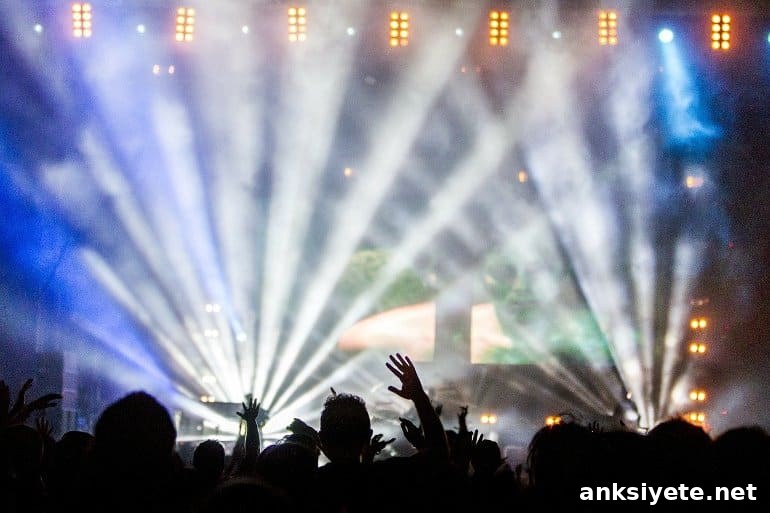
Summary: Rhythmic drumming, energetic dancing, sleep disruption, and psychoactive substances—collectively described as the “4Ds” within rave culture—are linked to intense, transformative experiences for many attendees. When ravers perceive an event as awe-inspiring and personally transformative, they report stronger bonds with fellow participants and greater willingness to act prosocially toward the group. These dynamics help explain the enduring appeal of raves.
Source: University of Kent
New research from the University of Kent highlights prosocial behaviour and social bonding among rave attendees, offering insight into why rave culture has persisted for decades.
Although rave culture is often discussed in terms of nightlife and drug use, recent findings published in Frontiers in Psychology illuminate how rave environments can foster meaningful social connections. These results may have implications beyond nightlife, informing therapeutic approaches that use group-based experiences.
Dr Martha Newson, a cognitive anthropologist at the University of Kent’s School of Anthropology and Conservation (SAC), examined how group rituals at raves create altered states of consciousness and support social cohesion. She developed and applied a model that characterises these ritual elements as the “4Ds”: dance, drums, sleep deprivation, and drugs.
Using a retrospective online survey of people who had attended memorable raves or illegal free parties, Dr Newson assessed whether participation in the 4Ds related to feelings of awe and subsequent personal transformation. The study explored how these subjective changes in experience relate to bonding with other ravers and to prosocial actions toward the group.
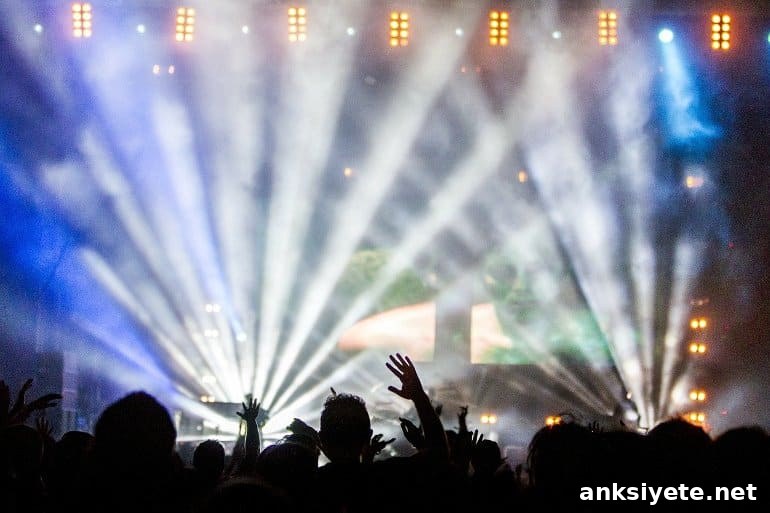
Results showed that when attendees experienced raves as awe-inspiring, engaging in the 4Ds was significantly associated with reports of personal transformation—an effect particularly pronounced among people with open, receptive personalities. Those who described a personal change after such events also reported tighter bonds with fellow attendees and were more likely to demonstrate prosocial behaviour toward the group, including financial generosity.
Among the components of the 4Ds, dancing and the use of psychedelic substances were most strongly linked to social bonding within the ritualised context of raves. Dr Newson suggests these findings point to the social benefits of shared, transformative experiences, and to the possibility that similar mechanisms could support group-based therapeutic interventions.
Dr Newson commented on the implications: “Psychedelics are often framed negatively because of their association with recreational drug use, yet clinical research increasingly investigates their therapeutic potential for conditions such as depression, post-traumatic stress disorder, and eating disorders. Our data show positive links between dancing, psychedelic experiences in group settings, feelings of awe, and social bonding—factors that may support recovery and resilience when incorporated thoughtfully into clinical contexts.”
She added: “Challenging public stigma around rave culture is not straightforward, but this research highlights clear social and behavioural benefits people derive from these collective experiences. Human beings have a persistent need to connect—whether through religious singing, community choirs, or communal dancing in warehouses. Understanding how ritualised group activities trigger transformation and cooperation can inform both social science and therapeutic practice.”
About this social neuroscience research news
Author: Gary Hughes
Source: University of Kent
Contact: Gary Hughes – University of Kent
Image: The image is in the public domain
Original Research: Open access.
“‘I get high with a little help from my friends’ – how raves can invoke identity fusion and lasting co-operation via transformative experiences” by Martha Newson et al., Frontiers in Psychology
Abstract
‘I get high with a little help from my friends’ – how raves can invoke identity fusion and lasting co-operation via transformative experiences
Throughout recent human history, psychoactive substances have played a role in many communal rituals. Although such shared altered states are inherently social, relatively few studies have examined whether they produce measurable increases in social bonding and cooperative behaviour.
This research tests a new way to characterise ritual mechanisms that produce altered consciousness in group settings: the 4Ds—dance, drums, sleep deprivation, and drugs. The study used a retrospective online survey of attendees at highly ritualised cultural events where drug use is relatively uninhibited—namely raves and illegal free parties.
Findings (n = 481) indicate that engaging in the 4Ds at awe-inspiring raves is associated with personal transformation, especially among individuals with open personality traits. In contrast, participation in the 4Ds outside a ritual context or without awe was linked to a lack of personal growth or feelings of anomie.
A structural equation model revealed that personal transformation experienced after awe-inspiring raves predicted stronger bonds with fellow ravers and increased prosocial behaviour toward this group—even at a cost to the self in a simple economic game. However, these effects did not extend to a generalized increase in bonding to humanity at large.
Overall, the results suggest that ritualised use of the 4Ds—particularly dancing in combination with psychedelic substance use—can foster meaningful social bonds and lead to positive cooperative behaviours within a defined group context.