
Psychologists at the University of Bonn report striking cognitive and perceptual deficits after a single sleepless night
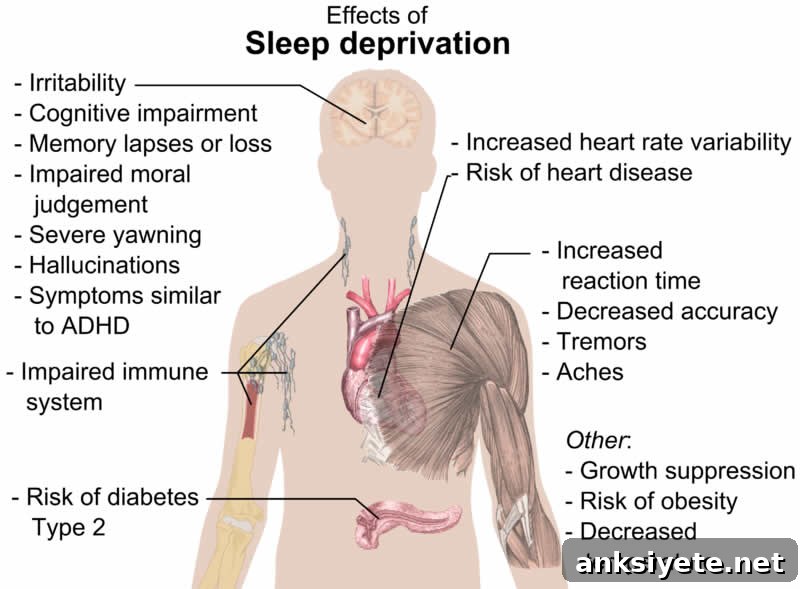
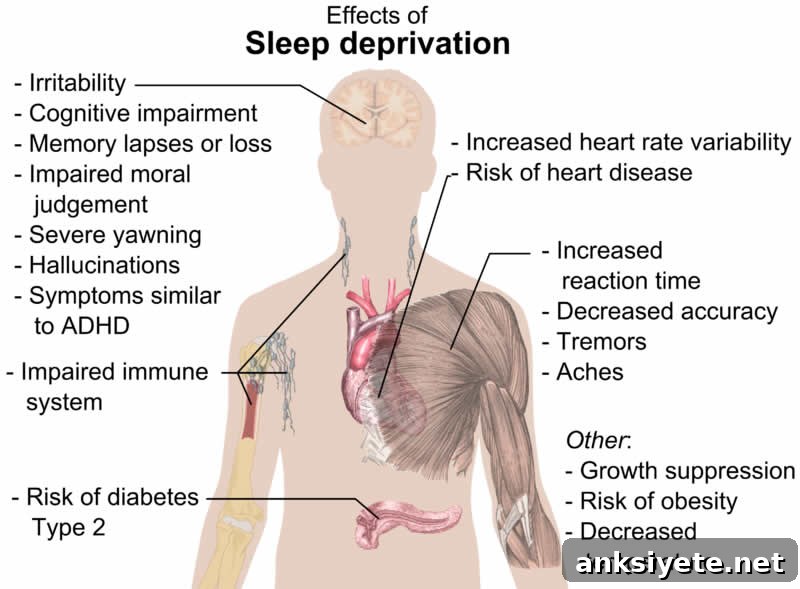
An international team led by researchers at the University of Bonn and King’s College London found that 24 hours without sleep can produce many symptoms in healthy individuals that resemble those seen in psychosis and schizophrenia. The study, published in The Journal of Neuroscience, suggests that acute sleep loss disrupts core brain filtering processes and temporarily produces attention, perception and thought disturbances. The researchers recommend further study of these effects in people who work night shifts and propose that sleep deprivation could serve as a model for testing treatments for psychotic symptoms.
Psychosis is characterized by a loss of contact with reality that can include hallucinations, delusions and disorganized thought. Schizophrenia is a chronic disorder that commonly involves similar perceptual and cognitive disturbances. To understand how acute sleep loss might affect such experiences, the research team recruited 24 healthy adults aged 18 to 40 and tested them in two laboratory sessions. In the first session participants slept normally in the lab; in the second session, one week later, they were kept awake for 24 hours with structured activities designed to prevent sleep. The following morning, participants completed self-report measures about their thoughts, perceptions and feelings and underwent objective neurophysiological testing.
Prepulse inhibition: a key measure of sensory filtering
Central to the study was a standard neurophysiological test called prepulse inhibition (PPI), which evaluates the brain’s ability to filter sensory input. During PPI testing, a sudden loud noise produces a measurable startle response captured by facial muscle activity. If a weaker stimulus—called a prepulse—occurs just before the loud sound, the startle response is reduced. This reduction reflects the brain’s filtering capacity: the ability to identify and suppress irrelevant sensory signals so that important information can be prioritized.
After 24 hours awake, participants showed a significant reduction in prepulse inhibition, indicating impaired sensory filtering. This objective change paralleled subjective reports: many volunteers described increased sensitivity to light and color, altered sense of time and smell, fleeting thought-disorder-like experiences, and unusual body perception. Several reported transient experiences resembling thought insertion or mind-reading. Researchers emphasize that these effects were temporary and resolved after recovery sleep.
Wider implications and potential applications
Professor Ulrich Ettinger of the University of Bonn’s Cognitive Psychology Unit noted that while attention deficits after sleep loss were expected, the breadth and intensity of schizophrenia-like symptoms were surprising. The findings underline how a single night of sleep deprivation can produce widespread disturbances in perception and cognition by disrupting the brain’s ability to filter incoming information. The resulting “flood” of unfiltered sensory input appears to contribute to chaotic processing and anomalous experiences.
The investigators highlight two practical implications. First, the recurring sleep disruption experienced by shift workers and overnight responders may warrant closer study to determine whether repeated exposure leads to habituation or cumulative risk. Second, because many pharmacological models used in psychosis research only partially reproduce real-world symptoms, sleep deprivation may provide a more ecologically valid, reversible model for testing drugs aimed at treating psychosis-like symptoms. Importantly, the model is non-permanent: symptoms abated after normal recovery sleep.
Notes about this psychiatry and sleep research
Source: Dr. Ulrich Ettinger, University of Bonn.
Research team: University of Bonn, King’s College London, and the Department of Psychiatry and Psychotherapy at the University of Bonn Hospital.
Study: “Sleep Deprivation Disrupts Prepulse Inhibition and Induces Psychosis-Like Symptoms in Healthy Humans” by Nadine Petrovsky, Ulrich Ettinger, Antje Hill, Leonie Frenzel, Inga Meyhöfer, Michael Wagner, Jutta Backhaus, and Veena Kumari. Published online July 2, 2014 in The Journal of Neuroscience. DOI: 10.1523/JNEUROSCI.0904-14.2014.
The study demonstrates that even a single night without sleep can produce measurable changes in brain filtering and subjective experiences that resemble core features of psychosis. These findings emphasize the importance of preserving sleep for cognitive and perceptual stability and suggest directions for future research into occupational sleep loss and treatment development for psychotic disorders.