
Aging commonly brings declines in brain function, including slower information processing and reduced memory. However, research shows that higher cardiorespiratory fitness in older adults is linked to improved executive function—skills used for reasoning, problem solving, task management and multitasking—and to greater brain volume in key regions.
A recent study from the Beckman Institute for Advanced Science and Technology at the University of Illinois clarifies how brain activation, fitness, and executive performance are connected in older adults. The researchers report that activation in a core executive control region during dual-task processing is associated with both higher cardiorespiratory fitness and better dual-task performance.
“Prior work has separately connected cardiorespiratory fitness to behavioral performance and to brain function, but few studies have explicitly linked all three measures,” said Chelsea Wong, M.D./Ph.D. student at the University of Illinois and the paper’s first author. The study was published in Frontiers in Aging Neuroscience.
The research team, led by Art Kramer, director of the Beckman Institute and professor of psychology and neuroscience, analyzed brain imaging and fitness data from 128 healthy adults aged 59–80. Participants completed dual-task assessments while undergoing functional magnetic resonance imaging (fMRI) at the Beckman Institute’s Biomedical Imaging Center. Cardiorespiratory fitness was measured independently, and the analysis controlled for age, sex, education, and gray matter volume.
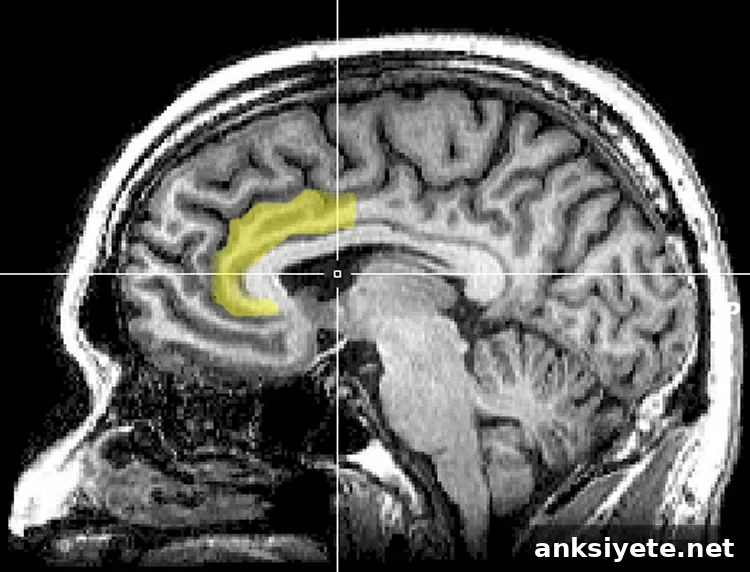
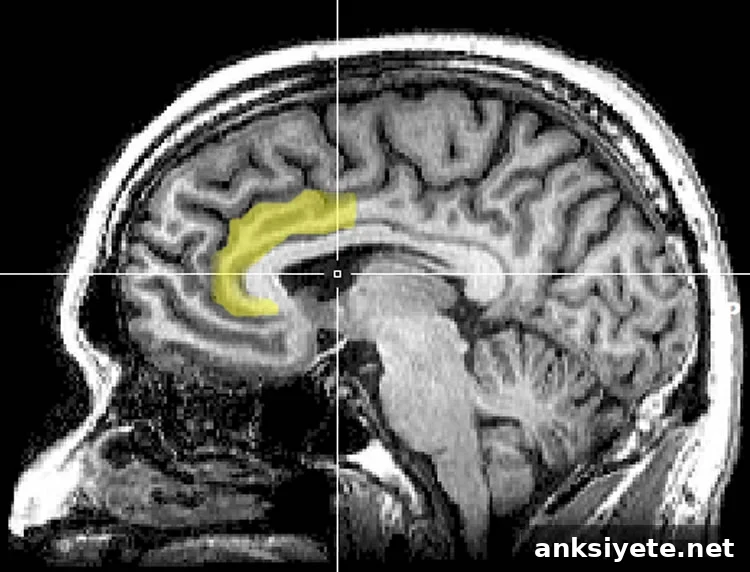
During the fMRI dual-task condition—where participants performed two tasks at once—the investigators observed increased activation in specific brain areas compared with single-task conditions. Notably, greater activation in the anterior cingulate cortex and supplementary motor area (ACC/SMA) correlated with higher fitness and with improved dual-task performance.
“We targeted dual-task performance because it is a reliable measure of executive function,” Wong explained. “Executive function supports working memory, inhibition, conflict monitoring and task coordination—abilities that often decline with age. Our results indicate that higher cardiorespiratory fitness is associated not only with better behavioral performance on dual tasks but also with stronger activation of brain networks that support those functions.”
In addition to the ACC/SMA, the study identified fitness-related increases in activation in several subcortical and cortical regions, including the thalamus and basal ganglia, right motor and somatosensory cortex, middle frontal gyrus, and left somatosensory cortex. Of these areas, ACC/SMA activation had a unique mediating role: greater activity in this region helped explain the relationship between fitness and dual-task performance.
These findings suggest a plausible mechanism by which sustained physical fitness supports cognitive health in later life: cardiorespiratory fitness may bolster the brain’s ability to recruit and engage core executive regions during challenging mental tasks, thereby preserving or enhancing performance on activities that demand coordination and multitasking.
“This research adds to mounting evidence that physical activity and improved fitness are powerful tools for maintaining brain health as we age,” Kramer said. “Even in older adulthood, lifestyle changes that increase cardiorespiratory fitness appear capable of influencing the brain systems that underlie executive control.”
Funding: This work was supported by the National Institute on Aging.
Source: August Schiess – Beckman Institute for Advanced Science and Technology
Image Credit: The image is credited to Geoff B Hall and is in the public domain.
Original Research: The full open-access article is “Brain activation during dual-task processing is associated with cardiorespiratory fitness and performance in older adults” by Chelsea N. Wong, Laura Chaddock-Heyman, Michelle W. Voss, Agnieszka Z. Burzynska, Chandramallika Basak, Kirk I. Erickson, Ruchika S. Prakash, Amanda N. Szabo-Reed, Siobhan M. Phillips, Thomas Wojcicki, Emily L. Mailey, Edward McAuley and Arthur F. Kramer, published in Frontiers in Aging Neuroscience (2015). DOI: 10.3389/fnagi.2015.00154
Abstract
Brain activation during dual-task processing is associated with cardiorespiratory fitness and performance in older adults
Higher cardiorespiratory fitness is linked to better cognitive performance and stronger task-related brain activation, but it is less clear whether fitness-related activation supports improved cognitive outcomes. In this cross-sectional study, the authors measured brain activation during dual-task performance with fMRI in 128 healthy older adults (ages 59–80) and tested whether prefrontal activation mediated the relationship between fitness and executive function. Greater cardiorespiratory fitness was associated with increased activation during dual-task processing across several regions, including the anterior cingulate and supplementary motor cortex (ACC/SMA), thalamus and basal ganglia, right motor/somatosensory cortex and middle frontal gyrus, and left somatosensory cortex, after accounting for age, sex, education, and gray matter volume. Among these regions, ACC/SMA activation specifically mediated the association between fitness and dual-task performance, providing evidence that cardiorespiratory fitness may support executive performance by enhancing recruitment of a core brain region critical for complex cognitive control.