
UCLA Study Finds Processed Fructose Impairs Brain Recovery After Head Trauma
Summary: A UCLA study shows that a diet high in processed fructose reduces the brain’s ability to repair itself after traumatic head injury, with implications for millions living with traumatic brain injury (TBI).
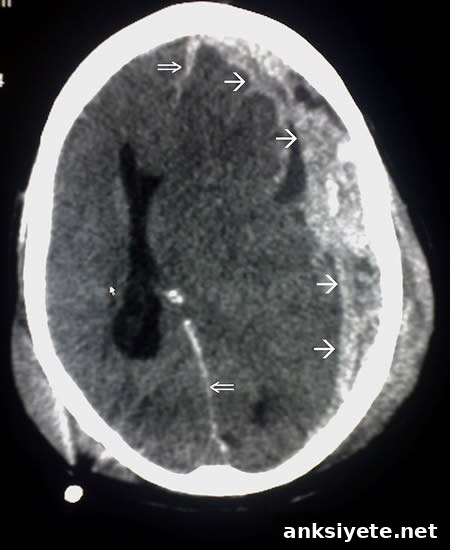
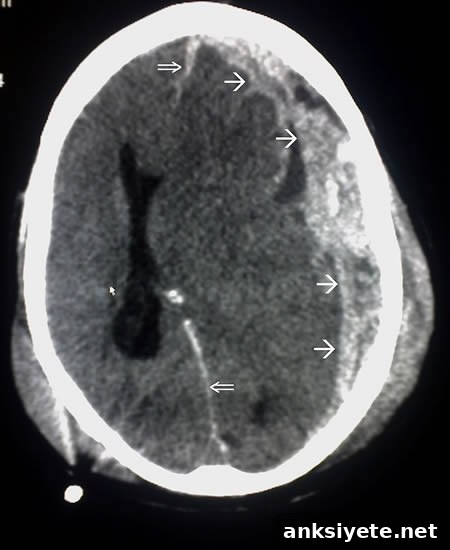
Neuroscientists at UCLA report that diets rich in processed fructose can significantly impair recovery from head trauma. The research, conducted in laboratory rats, links processed fructose consumption to reduced cognitive recovery, altered brain signaling, and diminished capacity for the brain to rewire itself after injury.
Traumatic brain injury affects millions of people. According to the Centers for Disease Control and Prevention, about 1.7 million people experience a TBI each year in the United States, with tens of thousands of deaths annually. This new research highlights nutrition as a potentially important factor in recovery.
The study, published in the Journal of Cerebral Blood Flow and Metabolism, used an experimental design in which laboratory rats were first trained to navigate a maze. After initial training, they were divided randomly into two groups: one group received plain water while the other received water containing fructose for six weeks. The fructose provided in the study was derived from corn and administered in amounts intended to mimic high dietary exposure to processed sweeteners commonly found in Western diets.
One week after the diet period began, the animals underwent a brief, controlled fluid pulse to the head to simulate aspects of a human traumatic brain injury. Six weeks after that injury, researchers evaluated the rats’ memory and problem-solving by testing their ability to recall the maze route and escape. Rats that consumed fructose performed worse: they took about 30 percent longer to find the exit than rats that drank plain water.
Beyond behavioral differences, the research team documented a range of biological changes in the brains of fructose-fed animals following injury. Processed fructose disrupted neuronal communication, interfered with the brain’s ability to form new connections (plasticity), reduced the brain’s capacity to encode memories, and impaired energy production needed for normal brain function. These combined effects provide a plausible biological basis for the slower recovery observed in the fructose-fed group.
“Our findings indicate that processed fructose can hinder plasticity — the growth of new pathways between brain cells that underlies learning and recovery,” said Fernando Gomez-Pinilla, professor of neurosurgery and integrative biology and physiology at UCLA’s David Geffen School of Medicine. He emphasized that impaired plasticity presents a particular challenge for TBI patients who must relearn routines and regain independence after injury.
Fructose is present naturally in fruits, but whole fruits contain fiber, vitamins, and antioxidants that counteract harmful effects. The concern in this study pertains to processed sources of fructose, such as high-fructose corn syrup and added sugars in many processed foods and beverages. Common dietary sources include soft drinks, processed snacks, condiments, and some prepared foods and baby foods.
Earlier research has associated high fructose intake with metabolic and systemic harms, including links to obesity, diabetes, fatty liver, and some cancers. This UCLA study adds to a growing body of evidence showing that processed fructose can also negatively affect brain function, learning, and memory.
Gomez-Pinilla and colleagues summarize the practical implication succinctly: reducing consumption of processed fructose may help protect the brain and improve recovery outcomes after injury. This recommendation echoes broader public-health guidance to limit added sugars and processed sweeteners.
Sources of added fructose in the Western diet include honey, cane sugar (sucrose), and high-fructose corn syrup, an inexpensive liquid sweetener derived from cornstarch. In recent years, per-capita consumption of high-fructose corn syrup has declined from its peak, but it remains a significant source of added sugar in many processed foods.
The study’s coauthors include Rahul Agrawal, Emily Noble, Laurent Vergnes, Zhe Ying and Karen Reue, all affiliated with UCLA. Funding for the work came from grants awarded by the National Institute of Neurological Disorders and Stroke (NS050465) and the National Center for Research Resources (NCRR S10RR026744).
Source: UCLA
Original research: Journal of Cerebral Blood Flow and Metabolism