
Researchers at the University of California, San Diego School of Medicine and biotechnology company Cenna Biosciences have identified small peptides that block production of beta amyloid peptides in mice, offering a potential early intervention strategy for Alzheimer’s disease (AD).
A study published April 29 in PLOS ONE reports that a peptide called P8 — and a related peptide, P4 — bind directly to the amyloid precursor protein (APP) and prevent it from being processed into beta amyloid. Because these peptides act on APP rather than on the secretase enzymes that cleave APP, they may avoid the off-target effects that have hampered many prior therapeutic efforts.
“Our approach differs fundamentally from current strategies that target the enzymes producing beta amyloid,” said lead author Nazneen Dewji, PhD, associate adjunct professor in the Department of Medicine. “By blocking the production of beta amyloid at the stage of APP interaction, we can be highly specific and, in principle, stop the disease process earlier and with fewer side effects.”
Beta amyloid accumulation in the brain is widely believed to drive the neurodegenerative changes that lead to Alzheimer’s disease, which accounts for the majority of dementia cases. Many experimental therapies have therefore focused on inhibiting the secretase enzymes that release beta amyloid from APP. Those enzyme-targeted strategies, however, have frequently failed in clinical trials, in part because the enzymes also process many other cellular proteins; altering their activity can create unintended and harmful consequences.
Instead of inhibiting secretases, the peptides described in this study are derived from the N‑terminal region of presenilin-1 (PS1), a component of the gamma-secretase complex that normally interacts with APP. The researchers identified two small, non-overlapping water-soluble fragments from the PS1 N‑terminus — named P4 and P8 — that bind specifically to the extracellular portion of APP. Biophysical assays and confocal imaging confirmed strong, selective binding between these peptides and the APP ectodomain.
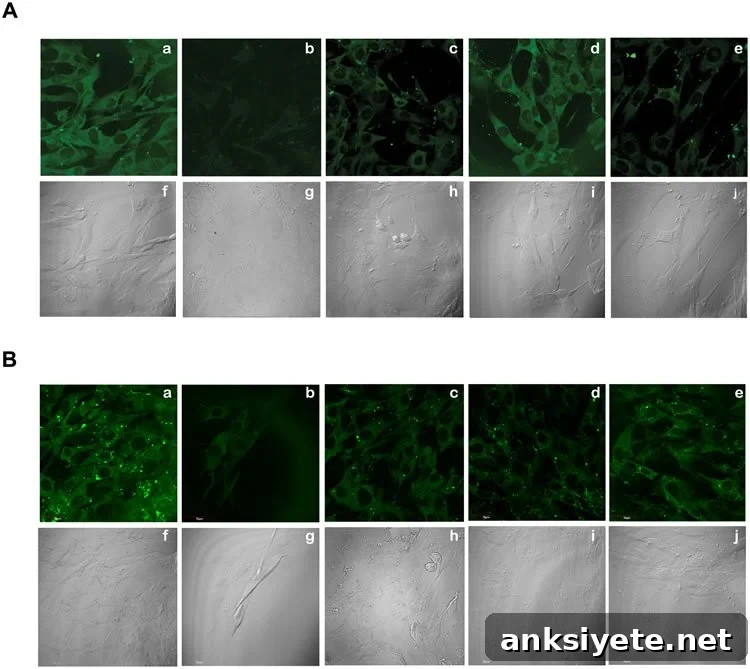
In cultured cells, treatment with these peptides significantly reduced total beta amyloid as well as the specific Aβ40 and Aβ42 species. Importantly, the peptides did not alter the catalytic activity of beta‑ or gamma‑secretase nor did they change total APP levels, indicating the effect is mediated by blocking the APP–PS1 interaction rather than by inhibiting the enzymes directly.
The team also tested the peptides in a transgenic mouse model engineered to overproduce human beta amyloid early in life. A two‑week treatment course with either P8 or P4 produced, on average, greater than a 50 percent reduction in plaque accumulation compared with untreated animals. These in vivo results demonstrate that small, site-specific peptides derived from presenilin-1 can effectively lower beta amyloid burden in the brain.
Because P8 and P4 act through specific binding to APP, the authors propose they represent a novel class of therapeutic candidates that could be developed to prevent or slow Alzheimer’s disease progression, particularly if given early to individuals at high risk. Further preclinical work and safety studies will be needed to determine whether the efficacy observed in mice can translate into human treatments.
Other co-authors on the study include Eliezer Masliah, Edward Rockenstein, Martha Harber, and Taylor Horwood (UC San Diego), and Mihyun Kim (UC San Diego and Cenna Biosciences).
Funding: The research received support from the National Institutes of Health (grants 5RO1NS055161, 5RO1AG17888 and 1R43AG043278) and the Alzheimer’s Drug Discovery Foundation.
Disclosure: Nazneen Dewji and co-author S. Jonathan Singer, PhD, founded Cenna Biosciences in 2006. The technology and lead compounds described are covered by U.S. and foreign patent applications filed by UC San Diego and exclusively licensed to Cenna.
Abstract
Peptides of Presenilin-1 Bind the Amyloid Precursor Protein Ectodomain and Offer a Novel and Specific Therapeutic Approach to Reduce ß-Amyloid in Alzheimer’s Disease
Accumulation of β‑amyloid (Aβ) in the brain is considered a critical factor in Alzheimer’s disease development. Most current strategies attempt to modulate γ‑secretase to produce shorter, less toxic Aβ species while preserving other secretase functions. Building on prior work showing that the water‑soluble N‑terminal domain of presenilin‑1 inhibits Aβ production, this study identifies two small, non‑overlapping peptides (P4 and P8) from that domain that substantially and specifically reduce production of total Aβ, Aβ40 and Aβ42 both in vitro and in vivo in APP transgenic mouse brains. Biolayer interferometry and confocal microscopy provide evidence of strong, specific binding between the effective peptides and the purified APP ectodomain. Reduction of Aβ by these peptides does not affect β‑ or γ‑secretase catalytic activities or APP levels. P4 and P8 are the first reported small peptides that target a specific protein site to reduce Aβ production in AD model systems and represent promising leads for new therapies.