
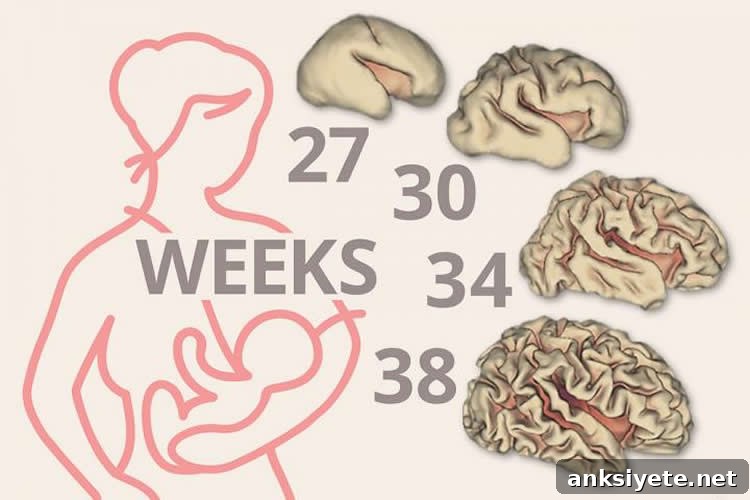
Preemies fed mostly breast milk had larger brains by their due dates than those who consumed small amounts or none.
Feeding premature infants primarily breast milk during the first month of life is associated with more substantial early brain growth compared with feeding regimens that include little or no breast milk. Researchers studying preterm infants in the Neonatal Intensive Care Unit (NICU) at St. Louis Children’s Hospital found measurable differences in brain tissue volume and cortical surface area by the infants’ original due dates.
The study showed that preterm infants whose daily nutrition consisted of at least 50 percent breast milk during their first month had larger overall brain volume and greater cortical-surface area at the time corresponding to their full-term gestational age, compared with infants who received much less breast milk. These findings were presented on May 3 at the Pediatric Academic Societies annual meeting in Baltimore.
“Babies born before their due dates typically have brains that are still developing,” said senior investigator Cynthia Rogers, MD, an assistant professor of child psychiatry who cares for patients at St. Louis Children’s Hospital. “Breast milk has known benefits in many areas of infant health and development, so we investigated whether it also appears to support early brain growth. Using MRI scans, we detected larger brain volumes in infants who received more breast milk. That is notable because other research has linked brain volume to later cognitive development.”
The retrospective study included 77 preterm infants who were all born at least 10 weeks early, with an average gestational age near 26 weeks—about 14 weeks premature. Because preterm infants are still in critical stages of brain maturation, they generally have smaller brains than full-term infants. The research team reviewed dietary records from the NICU to estimate how much breast milk each infant received during the first month of life. They then performed brain MRI scans at about the time each infant would have reached full-term gestational age to assess brain volume and the cortical surface area.
First author Erin Reynolds, a research technician in Dr. Rogers’ laboratory, emphasized that the analysis focused on the cumulative influence of breast milk, without separating milk from each infant’s own mother versus donor milk. “We found that as the proportion of breast milk in the daily diet increased, so did the likelihood of having a larger cortical surface area,” Reynolds said. “Because the cortex is strongly linked to cognitive functions, greater cortical surface area in infancy may translate into better cognitive outcomes as these children develop.”
While the results point to a clear relationship between breast milk exposure in the early neonatal period and structural measures of brain growth, the investigators cautioned that the study cannot by itself prove a causal mechanism. It does, however, support the idea that breast milk contributes positively during a critical window of brain development and underscores the importance of optimizing nutrition for very preterm infants in the NICU.
Preterm birth remains a leading cause of neurological challenges in childhood and is associated with higher risks for later developmental and psychiatric concerns. To better understand the long-term significance of the early MRI findings, Dr. Rogers and colleagues plan to follow the infants from the study through the first several years of life, tracking motor skills, cognition, and social development. As the children mature, the research team expects to evaluate whether the early brain differences associated with breast milk exposure correspond with measurable differences in developmental milestones and functional outcomes.
Further research will be needed to determine which components of breast milk might be responsible for promoting brain development and how they act during the earliest stages of life. The current study was limited to very preterm infants, so it remains unclear whether the same associations would be observed in infants born at full term.
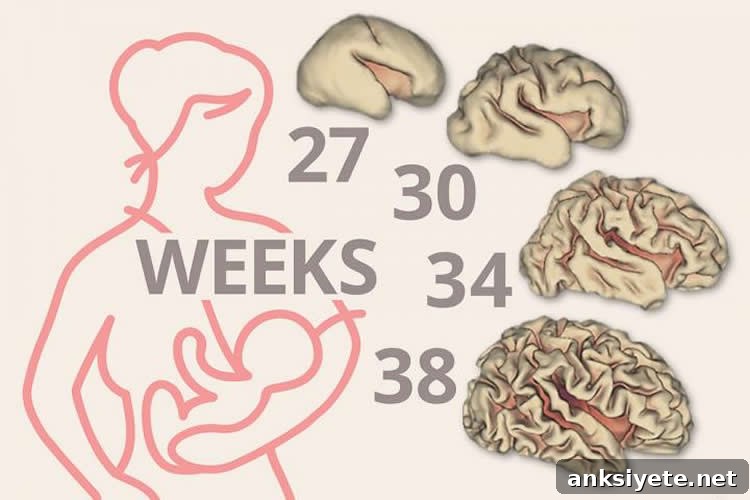
“Our goal is to determine whether the early differences in brain size that we observed translate into meaningful differences in developmental milestones,” Dr. Rogers said. “Neonatologists already consider breast milk optimal nutrition for preterm infants; this study suggests the brain may be another important beneficiary. We wanted to see whether measurable effects on the brain could be detected this early and whether any benefits appear quickly or develop over time.”
The investigators acknowledged the need for continued study to clarify mechanisms and to examine longer-term outcomes. They plan detailed follow-up assessments focusing on motor, cognitive, and social development through the preschool years, with the aim of linking early nutritional exposures to later child health and neurodevelopmental function.
Funding: This work was supported by the National Institute of Mental Health, the Eunice Kennedy Shriver National Institute of Child Health and Human Development, the National Center for Research Resources and the National Institute of Neurological Disorders and Stroke of the National Institutes of Health (NIH), grant numbers K23 MH105179, K02 NS089852, P30 HD062171, R01 HD057098 and UL1 TR000448. Additional funding was provided by the Cerebral Palsy International Research Foundation, the Dana Foundation, the Child Neurology Foundation and the Doris Duke Foundation.
Source: Jim Dryden – WUSTL
Image Source: The image is credited to Eric Young.
Original Research: Findings were presented at the Pediatric Academic Societies 2016 Meeting.