Researchers urge reclassification of traumatic brain injury as a chronic disease
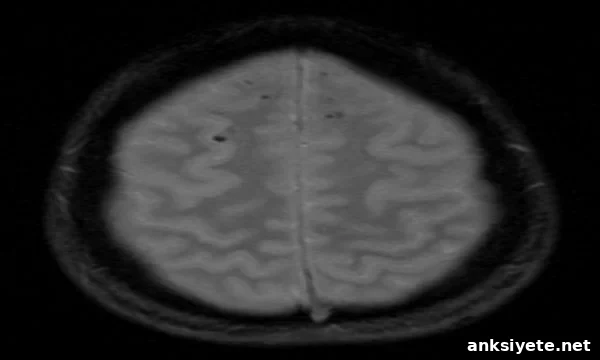
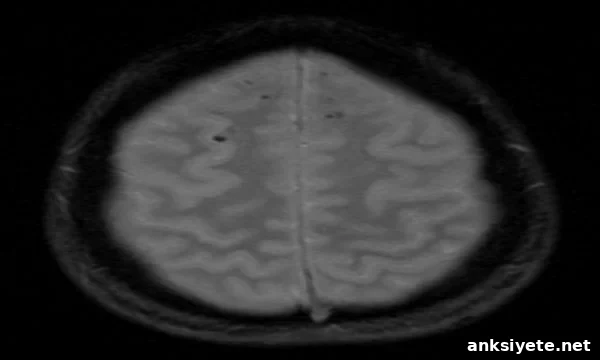
Researchers at the University of Texas Medical Branch (UTMB) in Galveston argue that traumatic brain injury (TBI) should be recognized and managed as a chronic disease rather than treated as a one-time event. Their review of 25 years of research shows that the consequences of TBI extend far beyond the initial injury, affecting the brain, other organ systems and a survivor’s long-term health and life expectancy.
The review, published in The Journal of Neurotrauma, was led by Dr. Brent Masel, clinical associate professor of neurology at UTMB and president of the Transitional Learning Center in Galveston, and Dr. Douglas DeWitt, director of the Moody Center for Traumatic Brain & Spinal Cord Injury Research/Mission Connect and professor in the department of anesthesiology. The authors emphasize that recognizing TBI as a chronic condition would change how survivors are treated and supported, and would redirect research toward therapies that could interrupt disease processes months or years after the initial injury.
Traumatic brain injury occurs when an external force causes damage to the brain and is commonly categorized as mild, moderate or severe. While many people recover, more than 90,000 Americans become disabled by TBI each year, and current estimates indicate that over 3.5 million Americans live with long-term disability resulting from brain injury. The researchers note that although society and some health care systems often treat TBI like a healed fracture, the World Health Organization’s criteria for chronic disease are met by the ongoing, progressive effects seen after many brain injuries.
Reclassifying TBI as a chronic disease would have practical implications: it could improve reimbursement for long-term care, ensure survivors receive ongoing rehabilitation and medical attention, and strengthen research funding aimed at preventing later decline. Masel and DeWitt’s review compiles evidence indicating that brain trauma can trigger persistent biological changes that impair cognitive, emotional and physiological function, sometimes contributing to premature death months or years later.
The review highlights several categories of long-term problems closely associated with TBI:
- Neurological disorders that can reduce life expectancy, including epilepsy—where TBI is a leading cause among young adults—and obstructive sleep apnea, which is linked to impaired cognition and dangerous cardiac events during sleep.
- Neurodegenerative diseases that produce gradual cognitive decline after injury, such as Alzheimer’s dementia, Parkinson’s disease and chronic traumatic encephalopathy (CTE). The authors note that intensive therapy in the early months after TBI appears to lower the risk of long-term decline, and that older age at the time of injury is associated with worse cognitive outcomes.
- Neuroendocrine disorders resulting from disruptions in the hypothalamic-pituitary axis, which can cause post-traumatic hypopituitarism and related conditions such as growth hormone deficiency and hypothyroidism.
- Psychiatric and behavioral disorders, among the most disabling sequelae of TBI. Survivors can experience aggression, confusion, obsessive-compulsive tendencies, anxiety, mood and psychotic disorders, major depression, substance abuse and elevated suicide risk. Even individuals with mild TBI often experience significant long-term neurobehavioral problems; these issues are even more common after moderate-to-severe injury.
- Non-neurologic conditions that impair quality of life, including sexual dysfunction (affecting 40–60 percent of patients), incontinence, spasticity and musculoskeletal problems that limit mobility, as well as metabolic dysfunctions that alter how the body uses amino acids essential for brain function.
The authors discuss possible mechanisms behind ongoing decline after TBI, including abnormal apoptotic cell death. Normal apoptosis is a genetically programmed process of cell turnover, but trauma may trigger pathological apoptosis that accelerates neuronal loss and contributes to progressive cognitive impairment and disease development.
Public awareness of long-term consequences of brain injury has increased through media attention on athletes and military personnel, particularly around repeated concussions and their aftermath. However, Masel and DeWitt argue that awareness alone is not enough: formal recognition of TBI as a chronic disease is needed to secure adequate research funding and to reshape clinical care so survivors receive appropriate long-term management aimed at reducing later complications.
About UTMB
Established in 1891, the University of Texas Medical Branch is Texas’ first academic health center. UTMB includes four health sciences schools, research institutes and a health system that provides a full range of primary and specialized medical services across Galveston County and the Texas Gulf Coast. UTMB is a member of the University of Texas System.
About the Transitional Learning Center
The Transitional Learning Center (TLC) in Galveston and Lubbock, Texas, has been a leader in brain injury rehabilitation since 1982. TLC provides specialized rehabilitation services to help survivors of brain injury re-enter the community and pursues a combined mission of treatment, research and education.
Contact: Jim Kelly
Source: University of Texas Medical Branch at Galveston