Human Brain Evolution: Origins and Key Milestones
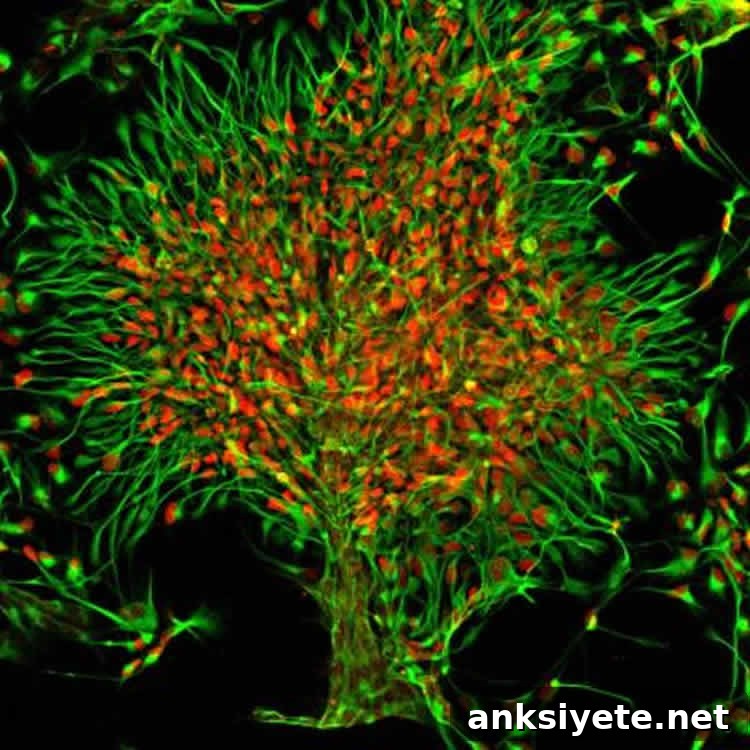
featured 54201

Summary: Researchers have developed a new approach that makes it easier to compare early neuronal development in humans and nonhuman primates. The findings provide fresh insight into how the human brain evolved. Source: Salk Institute. What makes us human? Although our DNA is very similar to that of chimpanzees and bonobos, clear behavioral and cognitive … Read more

Does Low-Fat Dairy Increase Parkinson’s Risk?

featured 41420

Higher Low-Fat Dairy Intake Linked to Slightly Increased Parkinson’s Risk in Large Long-Term Study Summary: In a long-term analysis, people who consumed at least three servings of low‑fat dairy daily showed a higher likelihood of developing Parkinson’s disease compared with those who consumed less than one serving per day. Overview A large, long-term observational study … Read more

Computational Model Reveals Schizophrenia’s Decision-Making Changes

featured 68501

Summary: An artificial neural network has revealed a plausible mechanism behind impaired decision-making often observed in schizophrenia: reduced activity of NMDA receptors in cortical circuits. Source: eLife Researchers have developed a computer ‘brain circuit’—a spiking artificial neural network—that reproduces human-like decision-making and pinpoints how synaptic changes may produce the cognitive deficits seen in psychiatric disorders, … Read more

Maternal Cortisol During Pregnancy Boosts Infant Language Skills

featured 93592

Summary: New research suggests that higher maternal cortisol levels during the third trimester of pregnancy are associated with modest improvements in early speech and language skills in children. The study analyzed data from more than 1,000 Danish mother–child pairs and found sex-specific differences in how prenatal cortisol exposure related to early language milestones. Researchers examined … Read more

Inside the Circadian Rhythm: How Your Biological Clock Works

featured 43257

Summary: A new structural study reveals how core clock proteins assemble into molecular machines that drive the circadian oscillator and sheds light on disorders linked to circadian rhythm disruption. Source: Harvard. A small set of molecular machines orchestrates the biochemical oscillator that times many body processes. Circadian clocks—biochemical oscillators that regulate physiology, metabolism and behavior … Read more

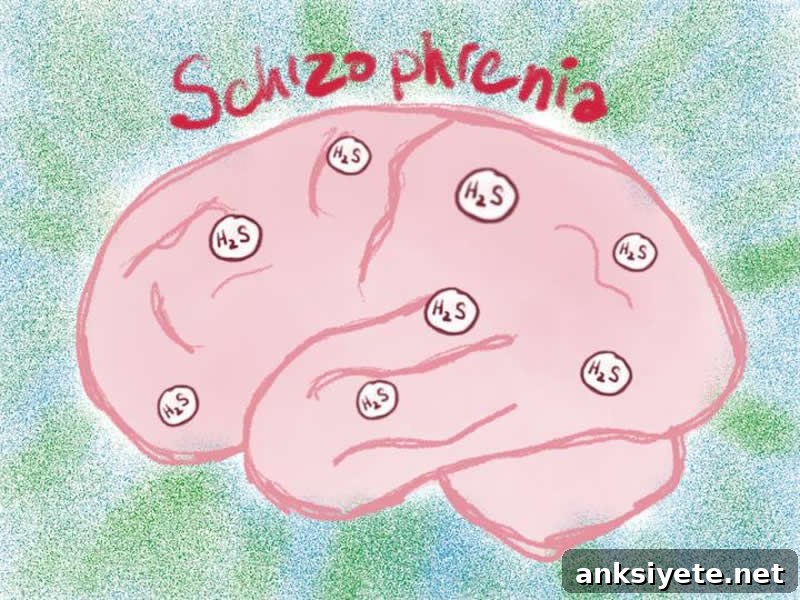
Hair Test Detects Schizophrenia Biomarker

featured 60283

Summary: Research using mouse models, human postmortem brain tissue, and clinical samples suggests that a distinct subtype of schizophrenia is associated with abnormally high levels of hydrogen sulfide in the brain. Analysis of hair follicles from affected patients showed elevated MPST mRNA compared with those without this subtype. MPST is an enzyme involved in hydrogen … Read more

Vigorous Exercise Raises Brain Chemicals, Boosts Mental Health

featured 28389

New MRI research from UC Davis shows that vigorous exercise rapidly increases two key brain neurotransmitters — glutamate and gamma-aminobutyric acid (GABA) — revealing a metabolic mechanism that helps explain exercise’s benefits for mood and brain function. Published in The Journal of Neuroscience, the study provides direct imaging evidence that high-intensity physical activity stimulates the … Read more

Cinnamon Boosts Learning in Mice, Study Finds

featured 32964

Summary: A study from Rush University reports that feeding cinnamon to mice with poor learning ability improved their memory and learning performance. Source: Rush University. Study finds spice consumption improved learning in mice Cinnamon, a familiar kitchen spice used on toast, in coffee and in baked goods, may do more than add flavor. New research … Read more

Chemobrain: Chemotherapy’s Cognitive Impact After Breast Cancer

featured 26078

Cancer-related cognitive impairment, often called “chemobrain,” may be more pronounced after anthracycline-based chemotherapy than after nonanthracycline regimens, affecting specific memory functions and brain network connectivity, a study reported in JAMA Oncology suggests. Cognitive complaints are commonly reported by breast cancer survivors who received chemotherapy, but it has been unclear whether some chemotherapy regimens produce greater … Read more

Prenatal Phthalate Exposure Linked to Autism Traits in Boys

featured 62447

Summary: Higher gestational concentrations of phthalate metabolites were linked to increased autistic traits in boys but not in girls. Adequate folic acid supplementation during early pregnancy appeared to reduce this risk, researchers report. Source: University of Massachusetts Amherst Exposure in the womb to phthalates — a class of endocrine-disrupting chemicals commonly found in cosmetics, personal … Read more