
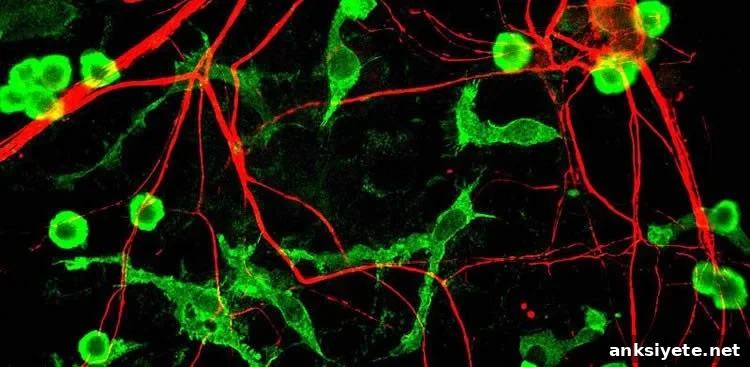
Summary: Researchers report that the acid-sensing receptor TDAG8 may play an important role in the physiological mechanisms underlying panic disorder.
Source: University of Cincinnati Academic Health Center.
Panic disorder causes sudden, repeated episodes of intense fear and anxiety that can be physically debilitating. The condition commonly begins in adolescence or early adulthood and often produces distressing physical symptoms such as heart palpitations, sweating or chills, shortness of breath, dizziness, nausea and chest pain.
Although diagnosis and treatments for panic disorder have advanced, the biological triggers of panic attacks remain incompletely understood. One line of evidence links disruptions in the body’s acid-base balance—acidosis—to sudden onset of panic symptoms. Researchers at the University of Cincinnati (UC) have investigated a potential molecular mediator of this effect: the acid-sensing receptor known as T cell death-associated gene-8 (TDAG8).
In a collaboration between Jeffrey Strawn, MD, and Renu Sah, PhD, both associate professors in the Department of Psychiatry and Behavioral Neuroscience at the UC College of Medicine, investigators explored TDAG8 expression in people with panic disorder. Their translational study, reported online ahead of print in Brain, Behavior, and Immunity, builds on earlier work that identified TDAG8 as a pH sensor in immune cells and, more recently, in brain-resident immune cells called microglia.
TDAG8 is a G-protein coupled receptor that senses extracellular acidity and has established roles in regulating inflammatory responses. Prior animal studies in Sah’s laboratory showed that TDAG8 in microglia influenced panic-related behavior and physiological responses in rodent models. The UC team aimed to confirm whether TDAG8 is relevant in human panic disorder by measuring its expression in patients compared with healthy controls.
“We had preliminary evidence from preclinical models suggesting TDAG8’s relevance to panic physiology, but we needed to determine whether this receptor is altered in patients,” says Sah. To address this, the research combined basic science insights with clinical evaluation of adolescents and young adults.
Strawn, who directs the Anxiety Disorders Research Program at UC, describes the clinical component: “We examined TDAG8 expression in adolescents and young adults with panic disorder, including individuals near the typical age of onset. We observed differences between patients and healthy volunteers and a relationship between TDAG8 levels and symptom severity.”
In this pilot clinical study, the authors analyzed peripheral blood mononuclear cells from 15 patients with a clinical diagnosis of panic disorder (ages 15 to 44) and 17 healthy comparison participants. The study measured TDAG8 messenger RNA expression and assessed anxiety symptom severity using standard clinical scales.
Results showed significantly higher TDAG8 expression in patients with panic disorder compared with healthy controls. In addition, higher TDAG8 levels correlated with greater symptom severity. The study also observed associations between TDAG8 expression and clinical treatment response in patients receiving antidepressant therapy, suggesting that TDAG8 expression may change with symptom improvement.
“This first clinical evaluation of TDAG8 expression in panic disorder indicates elevated receptor levels in affected patients and a clear link to symptom severity,” says Strawn. He adds that these findings support further exploration of TDAG8 and related inflammatory and acid-sensing pathways as potential biomarkers of panic disorder and as predictors of treatment response.
Sah emphasizes that subsequent research will need to determine whether altered TDAG8 expression stems from genetic variation, environmental influences, or other biological mechanisms. She also notes the possibility that future treatments could target TDAG8 signaling or associated inflammatory processes to better manage panic disorder.
Funding: This work was supported by National Institute of Mental Health grants MH106037 (Strawn) and MH093362 (Sah), VA Merit grant 2I01BX001075-04 (Sah), a Pilot Translational Research Program grant from the Department of Psychiatry and Behavioral Neuroscience, and NIH postdoctoral training grant T32DK059803.
Source: Alison Sampson – University of Cincinnati Academic Health Center
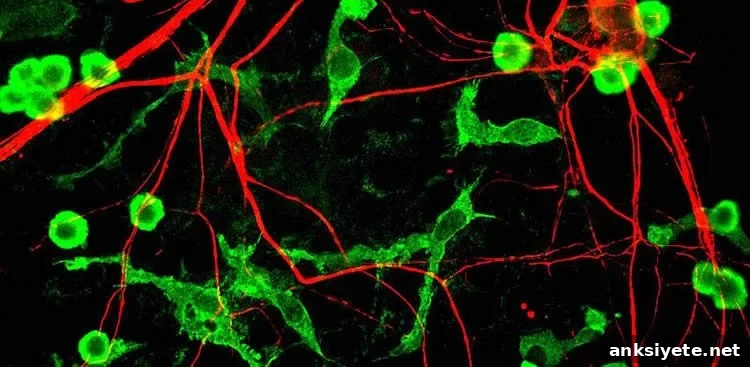
Image Source: NeuroscienceNews.com image is for illustrative purposes only.
Original Research: Abstract for “Acid-sensing T cell death associated gene-8 receptor expression in panic disorder” by Strawn JR, Vollmer LL, McMurray KMJ, Mills JA, Mossman SA, Varney ST, Schroeder HK, and Sah R in Brain, Behavior, and Immunity. Published online July 20, 2017. doi:10.1016/j.bbi.2017.07.014
MLA: University of Cincinnati Academic Health Center. “Panic Disorder Symptoms May Be Tied to Acid-Sensing Receptor.” NeuroscienceNews. August 24, 2017.
APA: University of Cincinnati Academic Health Center (2017, August 24). Panic Disorder Symptoms May Be Tied to Acid-Sensing Receptor. NeuroscienceNews. Retrieved August 24, 2017.
Chicago: University of Cincinnati Academic Health Center. “Panic Disorder Symptoms May Be Tied to Acid-Sensing Receptor.” Accessed August 24, 2017.
Abstract
Acid-sensing T cell death associated gene-8 receptor expression in panic disorder
Background: Disruption of acid-base homeostasis has been implicated in panic disorder, but the mechanisms translating pH imbalance into panic pathophysiology are not well understood. In translational rodent models, microglial TDAG8 has been linked to panic-like behavior and physiological responses. The clinical relevance of TDAG8 in humans had not been established.
Objective: To determine whether TDAG8 receptor expression is altered in adolescents and young adults with panic disorder compared to healthy subjects, and whether expression levels relate to symptom severity.
Methods: TDAG8 mRNA levels were measured in peripheral blood mononuclear cells from patients diagnosed with panic disorder and from healthy comparison subjects. Linear models explored the relationship between TDAG8 expression and panic symptom severity (PDSS score), controlling for variables such as C-reactive protein (CRP), body mass index, sex and age. Model selection considered parameter significance, potential omitted variable bias and information criteria.
Results: TDAG8 mRNA expression was significantly higher in patients with panic disorder (n = 15) than in healthy comparison subjects (n = 17). TDAG8 expression also predicted panic symptom severity in statistical models that included age and sex.
Conclusions: These findings suggest elevated TDAG8 expression in people with panic disorder and a direct association between TDAG8 levels and symptom severity. Further research into TDAG8 and related acid-sensing inflammatory pathways is warranted to clarify their roles in panic pathophysiology and potential utility for diagnosis or treatment.