Genetic Study Explains Why Mental Disorders Often Overlap

featured 82633

Summary: A large-scale genetic analysis reveals extensive overlap in genetic risk across several psychiatric disorders. Around 70% of the genetic signals linked to schizophrenia also associate with bipolar disorder, while anorexia nervosa and obsessive-compulsive disorder share a strong genetic foundation. These shared genetic patterns help explain why co-occurring psychiatric diagnoses are common. Source: University of … Read more

AI Estimates Brain Age from Sleep EEG Recordings

featured 74751

Summary: A deep neural network trained on overnight EEG recordings can predict an individual’s brain age with high accuracy, and deviations between EEG-predicted brain age and chronological age are associated with several common medical conditions. Source: AASM (American Academy of Sleep Medicine) A recent study demonstrates that a deep neural network can reliably estimate the … Read more

Neuromorphic Chips: Synapse-Inspired Tech for Smarter Electronics

featured 25353

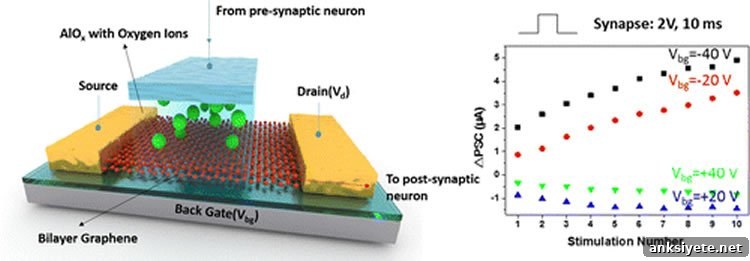
Creating a computer that can learn and remember like the human brain is a formidable task. The brain contains roughly 86 billion neurons and trillions of synaptic connections that strengthen or weaken over time. Researchers now report the development of a first-of-its-kind synthetic synapse that reproduces key aspects of biological synaptic plasticity, a step toward … Read more

Scientists Discover Diffusion Barrier in Fruit Fly Brain

featured 78663

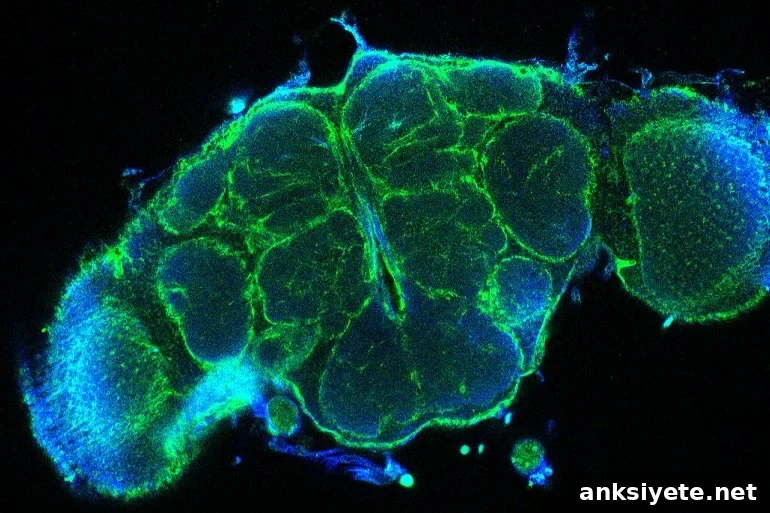
Summary: In fruit flies, researchers have identified a second internal barrier in the brain where a specialized layer of glial cells creates a physical and molecular separation between distinct functional compartments. Source: University of Münster Neurons in the brain form intricate networks and communicate at specialized contact points called synapses. To function reliably, neurons depend … Read more

New Drug May Prevent Early Alzheimer’s Brain Changes

featured 104341

Summary: A new study from Auburn University reports that the experimental drug troriluzole can prevent early brain changes associated with Alzheimer’s disease in a mouse model. The research shows that troriluzole lowers excessive synaptic glutamate, reduces brain hyperactivity, and preserves memory and learning—findings that support further exploration of glutamate-modulating therapies for early-stage Alzheimer’s. This discovery … Read more

Lab-Grown Mini Brains in a Petri Dish

featured 39759

Summary: Researchers converted skin cells from patients with a rare congenital brain defect into pluripotent stem cells to generate brain organoids. Source: University of Bonn. Organoids offer new insight into human brain development Researchers at the University of Bonn have applied an advanced organoid method to study developmental brain disorders, demonstrating a promising approach for … Read more

Child’s Brain Rewires After Double Hand Transplant

featured 45458

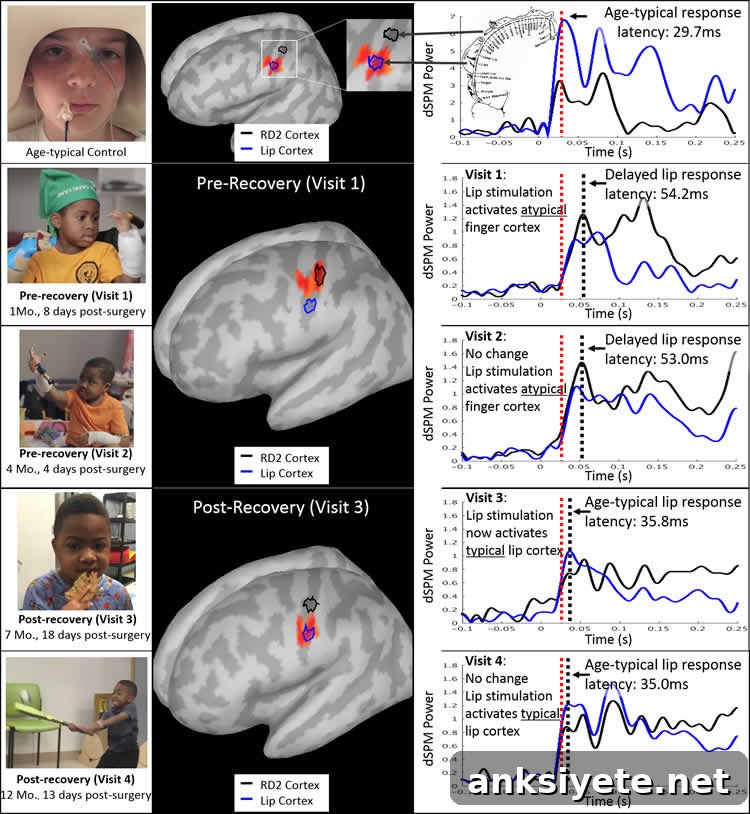
Brain Remapping Reversed After Pediatric Double Hand Transplant Summary: Researchers report that massive cortical reorganization was reversed in a child who received a double hand transplant after amputation in infancy. Source: CHOP. Researchers have documented, for the first time in a child, large-scale changes in how touch sensations from the hands are represented in the … Read more

Study: New Brain Circuits Linked to Emotional Decision Making

featured 34392

Summary: Researchers have identified connections deep in the brain that form a communication pathway linking regions responsible for emotion, decision-making, and movement. Cells within this network may also be potential targets in Parkinson’s disease. Source: MIT. Researchers suspect cells in this brain circuit could also be targets of Parkinson’s disease. MIT neuroscientists have described a … Read more

Alcohol Alters Young Adults’ Metabolic Profile

featured 50185

Summary: A longitudinal study found that adolescents who drink at moderate to heavy levels show distinct changes in blood metabolite profiles. Some of these metabolite alterations—most notably elevated 1-methylhistamine—were associated with reduced brain grey matter volume, particularly in young women. Source: University of Eastern Finland A new 10-year follow-up study from the University of Eastern … Read more

Biomarkers Show Aerobic Exercise Boosts Memory in Older Adults

featured 74767

Summary: Researchers have identified three blood-based biomarkers that help explain how aerobic exercise improves cognitive function in older adults at risk for Alzheimer’s disease. Source: FAU Growing evidence indicates that regular physical activity and structured aerobic exercise can delay or reduce the risk of Alzheimer’s disease (AD). In older adults, aerobic training has been linked … Read more