How Your Brain Keeps Fears From Coming Back
featured 55080

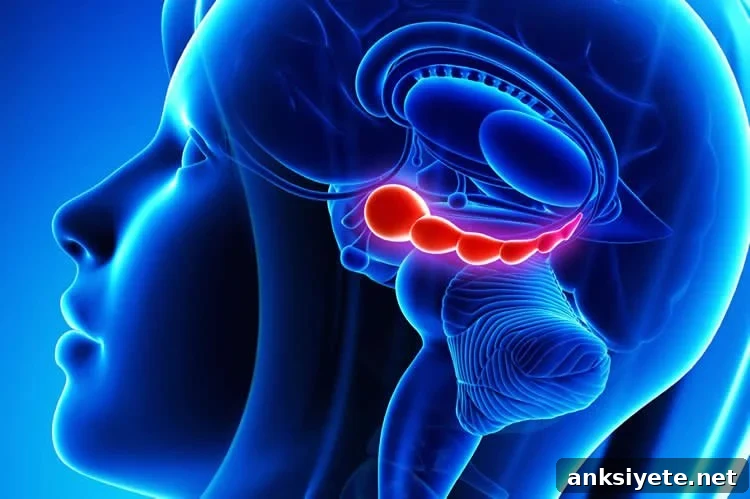
Summary: Researchers at UT Austin have identified “extinction neurons” in the hippocampus that suppress fearful memories when active and allow those memories to return when inactive. This discovery could point to new approaches for treating PTSD, phobias, and anxiety disorders. Source: UT Austin Neuroscientists at The University of Texas at Austin have identified a specific … Read more

Study Reveals How Marijuana Eases Anxiety

featured 13731

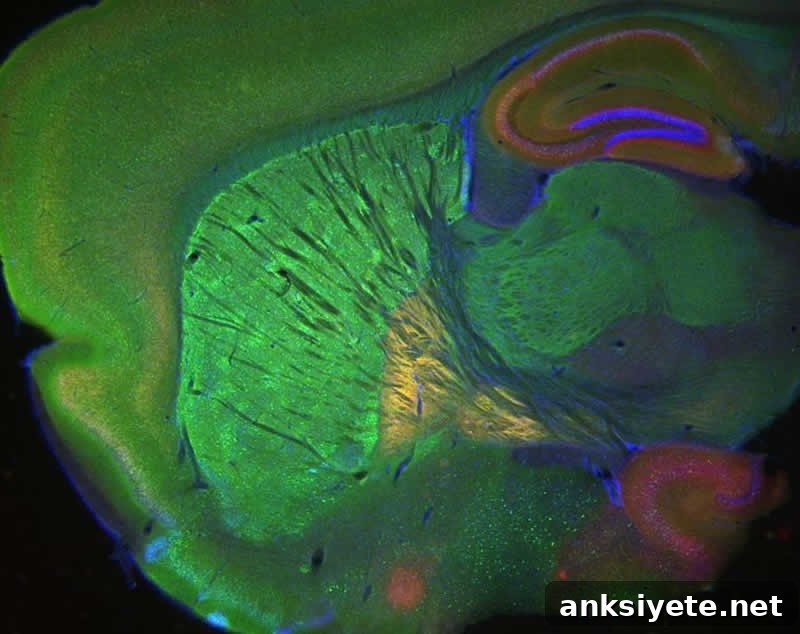
Researchers led by Vanderbilt University have identified cannabinoid receptors in the central nucleus of the amygdala, a key brain region that controls anxiety and the fight-or-flight response. In a mouse model study published in the journal Neuron, the team reports the first clear demonstration of cannabinoid receptors in the central nucleus of the amygdala and … Read more

How Brain Chemistry Links Overeating to Memory Loss

featured 102720

Summary: Researchers have found that the neurotransmitter octopamine in fruit flies influences whether memories about food are stored as short-term or longer-lasting traces. This decision depends on internal energy stores such as glycogen and can shape future feeding behavior. When glycogen reserves are high, carbohydrate-related memories become more persistent, which can drive increased food intake … Read more

Study Confirms Saliva Tests Can Help Diagnose Concussions

featured 69172

Summary: Changes in microRNA levels in saliva can indicate a recent concussion. This new saliva-based test offers a low-cost, non-invasive way to support concussion identification. Source: Penn State Penn State College of Medicine researchers report that measuring specific molecules in saliva could help clinicians diagnose concussions more accurately. A recent multi-site clinical study found that … Read more

Autism: Gray Matter Volume Linked to Language Deficits

featured 92861

Summary: School-aged children with Autism Spectrum Disorder (ASD) who experience language impairment show reduced gray matter volume and increased cortical folding (gyrification) in frontal and temporal brain regions that are critical for language. These structural brain differences, revealed by MRI, help explain language difficulties in ASD and can inform targeted educational and therapeutic strategies. Source: … Read more

How Recalling Adolescent Happy Memories Lowers Depression Risk

featured 53523

Summary: Researchers found that adolescents who could recall specific positive memories experienced fewer negative self-related thoughts and lower morning cortisol levels one year later. The findings suggest that recalling detailed positive experiences during adolescence may reduce vulnerability to depression over time. Source: University of Cambridge. Recalling positive events and personal experiences can strengthen resilience against … Read more

Nanowire Network Learns Handwriting with 93.4% Accuracy

featured 98344

Summary: Researchers have built an experimental computing system modeled on the biological brain that learned to identify handwritten digits with 93.4% accuracy. This result was achieved using a novel online training algorithm that supplies continuous, real-time feedback during learning, outperforming a standard batch-training approach that reached 91.4% accuracy. The platform integrates memory and processing within … Read more

Unique Schwann Cells Found in the Eye

featured 69487

Summary: Researchers have identified distinctive genetic features of the glial cells that envelop corneal axons, revealing potential pathways for nerve regeneration and preservation of vision. Source: University of Connecticut Researchers at the UConn School of Medicine have uncovered new genetic information about the cells that surround nerve fibers in the cornea. Royce Mohan, a neuroscience … Read more

How to Protect the Brain from Parkinson’s Disease

featured 26035

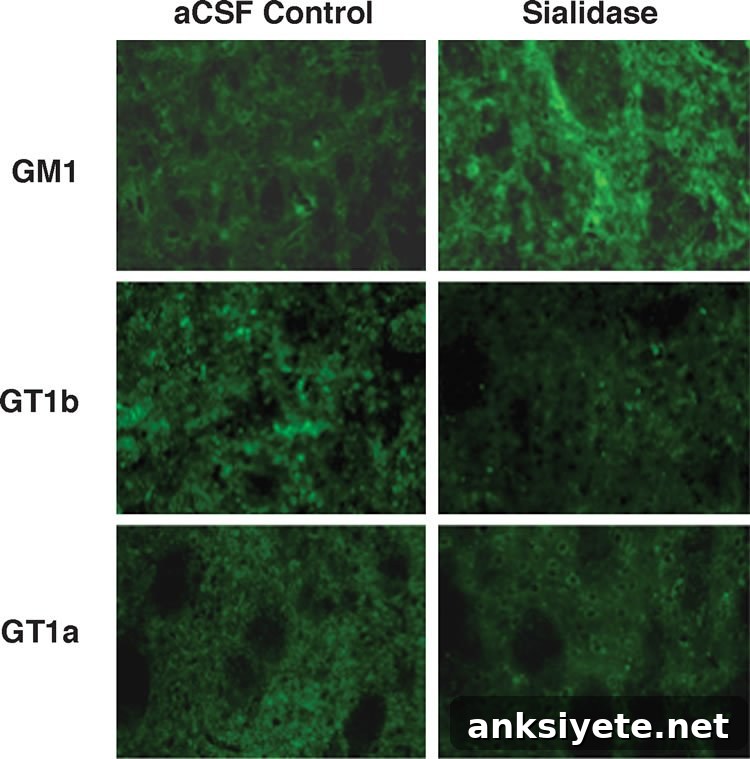
Researchers stimulate the brain to produce GM1 ganglioside, a protective molecule reduced in the brains of Parkinson’s patients. Current treatments for Parkinson’s disease can relieve symptoms but do not reliably slow the disease’s progression. In 2013, the lipid molecule GM1 ganglioside showed promise for both symptom relief and potential slowing of disease progression, but practical … Read more

EEG Predicts Dementia Risk in Parkinson’s Disease

featured 94609

Summary: Data from a single EEG electrode may predict cognitive decline, including dementia, in people with Parkinson’s disease. A University of Iowa study found that reduced strength of specific low-frequency brain waves—delta and theta rhythms—measured over the frontal cortex strongly correlates with cognitive dysfunction in Parkinson’s disease (PD). Because electroencephalography (EEG) is non-invasive and inexpensive, … Read more