Study: Morning Chronotype Linked to Higher Anorexia Risk

featured 99244

Summary: New genetic research links anorexia nervosa with an early-morning chronotype and also identifies an increased genetic risk for insomnia in people prone to the disorder. These results contrast with many other psychiatric conditions, which are often associated with evening chronotypes, and point toward the potential of circadian-based approaches for prevention and treatment. Researchers used … Read more
Study Finds Motor Cortex Drives Learning of Movement Patterns

featured 14643

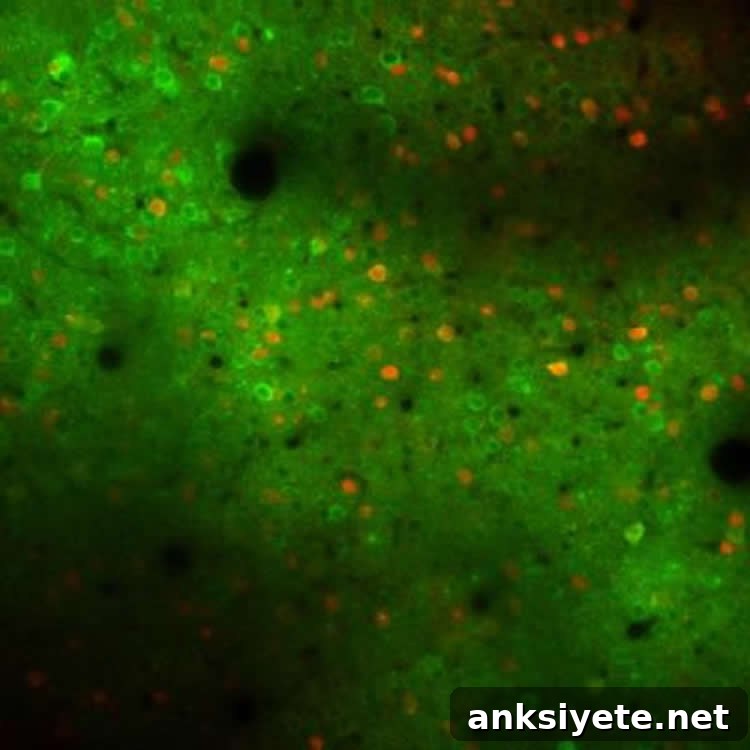
Motor Cortex Shows Plasticity During Motor Learning, UC San Diego Study Complex, skilled movements—like a tennis serve or a pianist’s concerto passage—depend on precise interactions between the motor cortex and other brain regions. For years neuroscientists compared the motor cortex to a piano keyboard: each specific movement corresponded to activity in a specific set of … Read more

Learned Taste Aversion: How It Reshapes Brain and Behavior

featured 69214

Summary: Learned avoidance of specific tastes depends on a long-term reduction in activity at the connections between brain regions that detect threat and those that process taste. Source: Stony Brook University Researchers at Stony Brook University report new evidence showing how an unpleasant bodily reaction after eating a once-pleasant food produces a lasting aversion, and … Read more

How Puberty Affects the Ability to Recognize Faces

featured 34639

Summary: Researchers report that as adolescents move toward adulthood, they begin to perceive faces differently. Source: Penn State Faces are as distinctive as fingerprints and convey rich information about health, personality, age, and emotion. New research from Penn State shows that the way adolescents view faces shifts during puberty, reshaping social perception as they prepare … Read more

Noninvasive Brain Imaging Reveals Deeper Living Brain Activity

featured 24616

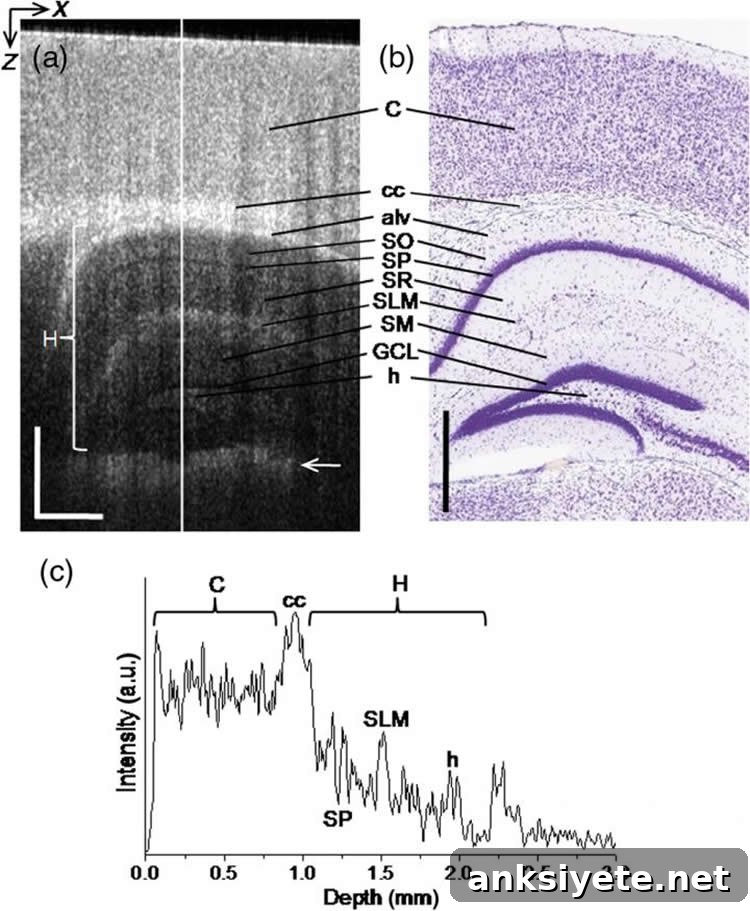
Researchers at the University of Washington (UW) have applied a noninvasive, light-based imaging technology to visualize living brain tissue at depths previously unreachable without surgery, offering a powerful new method to study how conditions such as dementia, Alzheimer’s disease, and brain tumors alter brain structure over time. The advance, reported by Woo June Choi and … Read more

How Aesthetic Chills Help Lift Depression

featured 99366

Summary: A recent study examines the therapeutic potential of aesthetic chills — intense emotional responses marked by shivers and goosebumps — as a non-pharmacological intervention for depression. Researchers enrolled 96 people diagnosed with major depressive disorder and exposed them to stimuli known to produce aesthetic chills. Participants who experienced chills showed meaningful improvements in self-acceptance … Read more

Adult Brain Recycles Prenatal Genetic Program for Memory

featured 117006

Summary: A comprehensive, peer-reviewed review argues that when the adult brain learns, remembers, and rewires, it does not invent new biological mechanisms. Instead, it reuses a molecular toolkit carried out of the womb. The review centers on HuD (encoded by the ELAVL4 gene), an evolutionarily ancient neuronal RNA-binding protein conserved for more than half a … Read more

Gut Microbe Linked to Depression Could Lead to Psychobiotic Drugs

featured 87948

Summary: Researchers examining the gut microbiome of people with major depressive disorder (MDD) have identified the bacterium Faecalibacterium prausnitzii as a key contributor to functional differences between healthy individuals and those with MDD. Source: Skolkovo Institute of Science and Technology Over three years, a team from Skoltech, the Vavilov Institute of General Genetics of the … Read more

Early Hippocampal Extracellular Space Changes in Microgravity

featured 77182

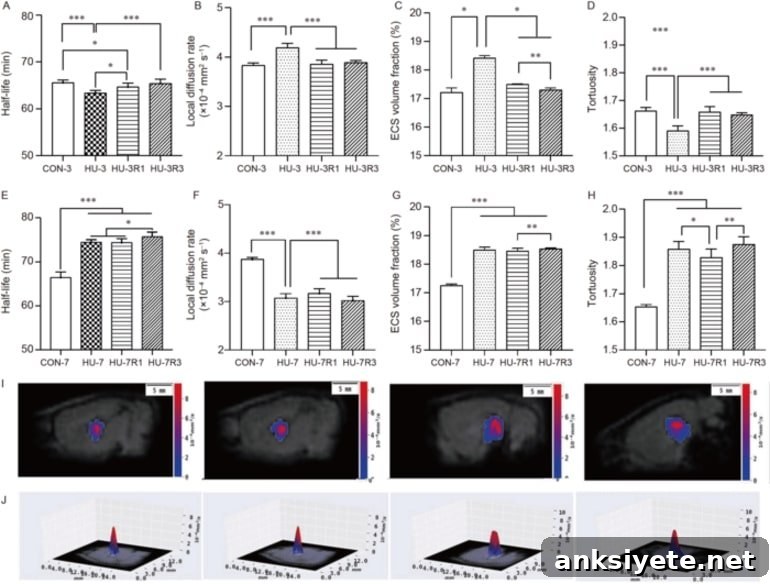
Summary: New research clarifies early mechanisms of brain injury caused by microgravity exposure. Source: Science China Press Background: Prolonged exposure to microgravity produces upward fluid shifts that trigger adaptive and maladaptive changes in brain tissue, cerebrospinal fluid (CSF), and cerebral blood vessels. Although investigators have studied these effects for more than a decade, the precise … Read more

How REM Sleep Builds Lasting Memory in the Developing Brain

featured 21440

REM sleep locks in skills and experiences New research from Washington State University Spokane shows that rapid eye movement (REM) sleep actively converts waking experiences into lasting memories and abilities in young brains. The study, published in Science Advances, expands our understanding of children’s sleep needs and raises questions about the growing use of medications … Read more