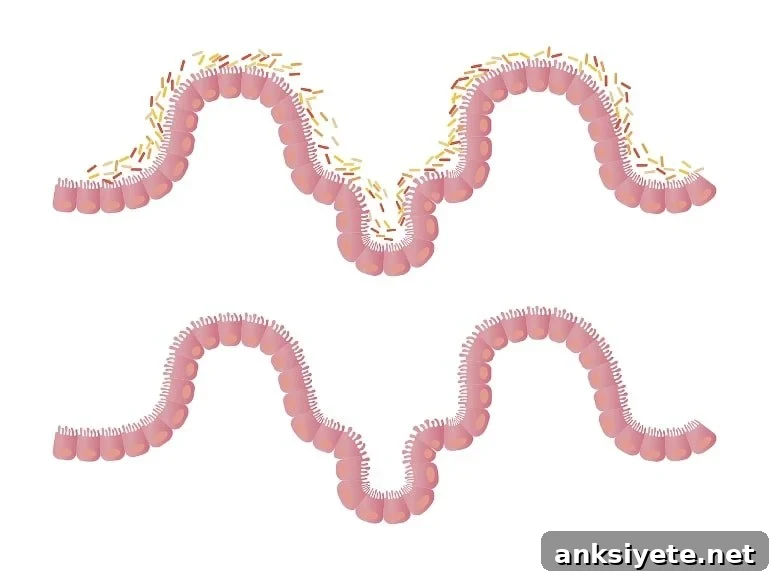
Summary: Researchers examining the gut microbiome of people with major depressive disorder (MDD) have identified the bacterium Faecalibacterium prausnitzii as a key contributor to functional differences between healthy individuals and those with MDD.
Source: Skolkovo Institute of Science and Technology
Over three years, a team from Skoltech, the Vavilov Institute of General Genetics of the Russian Academy of Sciences, Moscow’s Mental-Health Clinic No. 1 named after N.A. Alexeev, and the Serbsky Federal Medical Research Center of Psychiatry and Narcology investigated how the gut microbiome differs between people diagnosed with major depressive disorder and mentally healthy controls.
Using whole-metagenome sequencing, the researchers examined the complete set of microbial genes present in fecal samples from both groups. This comprehensive approach allowed them to compare not only the microbial composition but also the functional genetic potential of the gut communities.
The analysis revealed one bacterium in particular—Faecalibacterium prausnitzii—as responsible for the largest functional gap between the healthy and MDD datasets. The study’s results, which point to possible rapid diagnostic tools and psychobiotic treatments, are published in Biomedicines.
“When we know which microbial genes are under- or overrepresented in people with depression, and which bacteria carry those genes, two practical avenues open up,” said Alexey Kovtun, lead author and Skoltech Bio research intern. “First, fecal microbiota analysis could become a supplementary diagnostic tool. Second, it may be possible to develop interventions—such as psychobiotics—that help restore a healthier microbiome balance.”
The researchers performed full-metagenome sequencing to recover and sequence all bacterial DNA from stool samples of 36 patients with major depressive disorder and 38 healthy volunteers. This approach yields detailed taxonomic and functional profiles for each microbiome sample.
“With whole-metagenome data, we can see which bacterial species and which genes are present in each group, and measure how strongly they are represented,” Kovtun explained. The team then identified genes that differed significantly between the two cohorts and matched those genes to the bacterial species that carried them.
“Faecalibacterium prausnitzii stood out,” Kovtun said. “It is significantly less abundant in the guts of patients with major depressive disorder, and it is associated with several gene groups that are underrepresented in those patients’ microbiomes.”
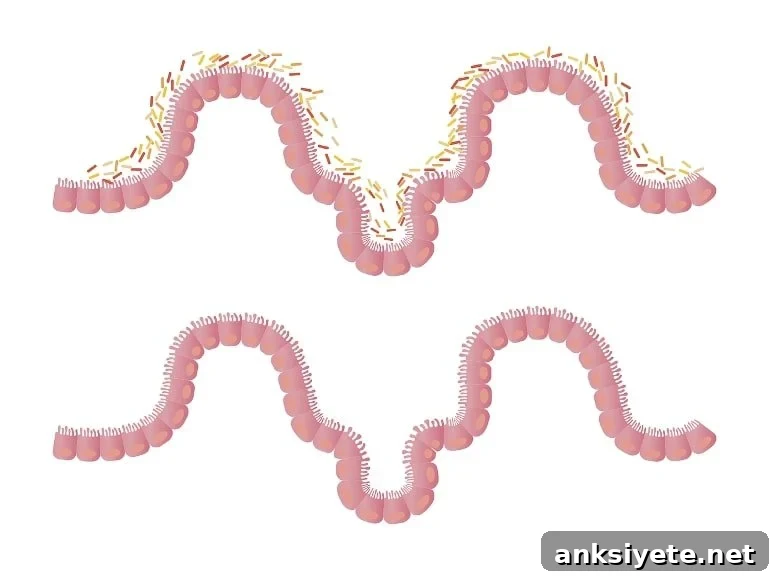
The three key gene sets linked to the reduced presence of F. prausnitzii relate to neuroactive and metabolic functions: the first set supports melatonin production, which regulates the sleep–wake cycle; the second involves enzymes for synthesizing glutamate and gamma-aminobutyric acid (GABA), central neurotransmitters; and the third group includes enzymes for producing short-chain fatty acids (SCFAs), whose deficiency has been associated with depressive symptoms.
Beyond F. prausnitzii, the study’s comparative taxonomic analysis showed decreased abundances of Roseburia hominis and Roseburia intestinalis, and increased abundances of Escherichia coli and Ruthenibacterium lactatiformans in the microbiomes of MDD patients.
Functionally, MDD patients exhibited lower levels of bacterial genes encoding key enzymes for the biosynthesis of arginine, asparagine, glutamate, glutamine, melatonin, acetic and butyric acids, conjugated linoleic acids, and spermidine. Many of these gene reductions were strongly associated with the decreased prevalence of F. prausnitzii in the patient group.
The authors note that F. prausnitzii has attracted growing interest among researchers exploring microbiome-based diagnostics and therapeutic strategies. Its consistent association with beneficial metabolic functions makes it an appealing candidate both as a biomarker and as a target for psychobiotic interventions aimed at improving mental health by modulating the gut ecosystem.
“In the future, F. prausnitzii and related microbial indicators might be incorporated into rapid diagnostic tests for mental disorders or into psychobiotic formulations designed to promote psychological well-being by restoring microbial balance,” Kovtun added. “Prebiotics and probiotics have received a lot of attention—psychobiotics could be the next frontier, and our team is contributing to that global effort.”
About this microbiome and depression research news
Author: Press Office
Source: Skolkovo Institute of Science and Technology
Contact: Press Office – Skolkovo Institute of Science and Technology
Image: The image is in the public domain
Original Research: Open access. “Alterations of the Composition and Neurometabolic Profile of Human Gut Microbiota in Major Depressive Disorder” by Alexey S. Kovtun et al., Biomedicines
Abstract
Alterations of the Composition and Neurometabolic Profile of Human Gut Microbiota in Major Depressive Disorder
Major depressive disorder (MDD) is one of the most common mental health conditions worldwide. Emerging evidence implicates the gut microbiota in the development and progression of MDD through interactions along the gut–brain axis.
Previous studies often relied on 16S rRNA sequencing, which provides taxonomic composition but limited functional insight. In this study, the authors applied whole-metagenome sequencing to examine both the taxonomic composition and the functional genetic potential of the gut microbiota in MDD.
The study compared gut microbiomes from 36 patients with MDD to those of 38 healthy volunteers. Taxonomic analysis revealed reduced abundances of Faecalibacterium prausnitzii, Roseburia hominis, and Roseburia intestinalis, alongside increased abundances of Escherichia coli and Ruthenibacterium lactatiformans in MDD patients.
Functionally, MDD-associated microbiomes showed decreased representation of genes encoding enzymes involved in synthesizing arginine, asparagine, glutamate, glutamine, melatonin, acetic and butyric acids, conjugated linoleic acids, and spermidine. Many of these gene deficits were strongly linked to the reduced presence of Faecalibacterium prausnitzii.
These findings point to specific bacterial species and metabolic pathways that may influence the pathogenesis of MDD. The authors recommend follow-up metabolomic studies to validate the functional implications and explore the potential for diagnostic biomarkers and microbiome-targeted therapies.