
Summary: New research examines how an allostatic closed‑loop neurotechnology affects resting‑state brain connectivity and lateralization in people with military‑related traumatic stress.
Source: Cereset
HIRREM, the legacy closed‑loop neurotechnology developed by Cereset (a Brain State company), was used in a Wake Forest School of Medicine study to evaluate changes in symptoms and brain connectivity in military personnel with traumatic stress.
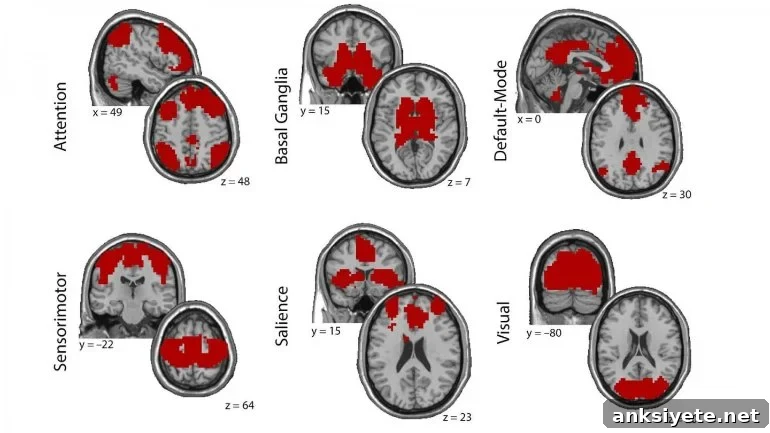
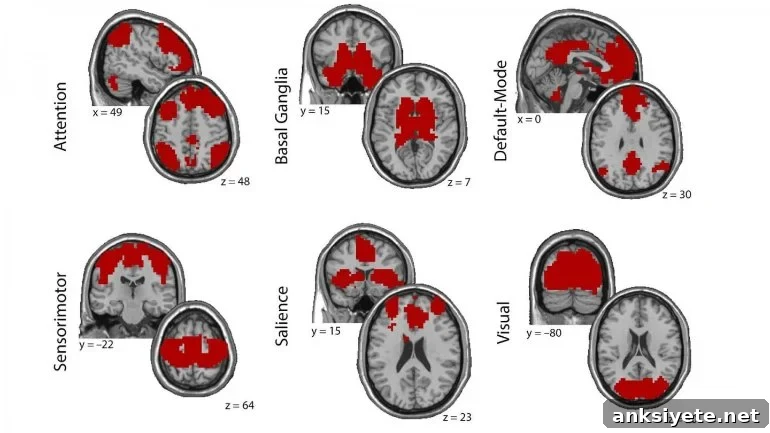
Participants underwent whole‑brain resting‑state magnetic resonance imaging (MRI) before and after receiving the Cereset (HIRREM legacy) intervention. Prior reports from this dataset have shown significant effects on brain network connectivity; the current analysis focused specifically on lateralization—the balance of connections on the left and right hemispheres and across them.
Lateralization matters because the two hemispheres support different autonomic and behavioral functions. In general, parasympathetic activity—often described as the “rest and digest” or braking system—is primarily associated with left‑sided regulation, while sympathetic drive—commonly referred to as “fight or flight” or the gas pedal—is more right‑lateralized. Clinically, a left‑dominant pattern can indicate a tendency toward freeze or numbing responses, whereas a right‑dominant pattern aligns with fight‑or‑flight reactions.
At baseline, many participants showed asymmetric connectivity patterns. After Cereset sessions, lateralization shifted in several brain networks and regions. Importantly, whole‑brain lateralization measures correlated significantly with posttraumatic stress symptoms, suggesting that changes in hemispheric balance are linked to symptom severity and may help explain therapeutic effects.
These results support the bihemispheric autonomic management (BHAM) model proposed by Brain State and Wake Forest, which frames traumatic stress as involving dysregulated hemispheric control of autonomic function. The study reinforces the idea that balanced interhemispheric communication and regulated network connectivity are upstream drivers of physiological and psychological health: when hemispheric connections are more balanced, individuals tend to experience better well‑being.
The mechanism for this movement toward healthier connectivity appears to be noninvasive and reflective rather than prescriptive. Cereset converts a person’s own dominant brain electrical frequencies into audible tones—called BrainEcho®—which the client listens to while reclining comfortably. This closed‑loop feedback encourages the brain to relax and self‑organize, promoting improved balance and symmetry across networks and, in many cases, a reduction in traumatic stress symptoms.
Previous clinical studies using Cereset have reported symptom improvements across several conditions, including insomnia, depression, anxiety, concussion, menopausal hot flashes, postural orthostatic tachycardia syndrome, and migraine. Objective autonomic measures such as heart rate variability have shown significant improvement in trials, reinforcing the clinical findings. Symptom benefits have been durable in follow‑up assessments—for example, up to six months in the present study—and autonomic improvements remained through the final follow‑up in a placebo‑controlled insomnia trial.
Integrating the new MRI lateralization results with prior clinical and physiological outcomes strengthens the BHAM framework and suggests a plausible mechanism: by promoting more balanced hemispheric connectivity, Cereset may help restore adaptive autonomic regulation and reduce the symptom burden linked to traumatic stress and chronic allostatic load. Given the high and growing prevalence of stress‑related symptoms in the general population and among service members, noninvasive interventions that support the brain’s intrinsic regulatory processes have potential clinical value.
Funding: This study was funded by The Susanne Marcus Collins Foundation Inc., the Joint Capability Technology Demonstration Program within the Office of the Under Secretary of Defense, US Special Operations Command, and the Wake Forest Clinical and Translational Science Institute.
About this neurotech research news
Source: Cereset
Contact: Lee Gerdes – Cereset
Image: The image is credited to Cereset and Wake Forest School of Medicine
Original Research: Open access.
“Effects of an Allostatic Closed‑Loop Neurotechnology (HIRREM) on Brain Functional Connectivity Laterality in Military‑Related Traumatic Stress” by Dale E. Dagenbach et al., Journal of Neuroimaging
Abstract
Effects of an Allostatic Closed‑Loop Neurotechnology (HIRREM) on Brain Functional Connectivity Laterality in Military‑Related Traumatic Stress
BACKGROUND AND PURPOSE
Brain asymmetries have been reported in posttraumatic stress disorder, but many facets of laterality in traumatic stress remain underexplored. This study examines how lateralization of resting‑state functional connectivity changes in a cohort with symptoms of military‑related traumatic stress after use of the closed‑loop neurotechnology HIRREM.
METHODS
Eighteen participants (17 males; mean age 41 years, SD = 7) completed an average of 19.5 HIRREM sessions over 12 days. Whole‑brain resting‑state MRI scans were acquired before and after the intervention. Laterality of functional connectivity was assessed across the whole brain and within six predefined networks or regions. Analyses separated laterality of within‑network (or within‑region) connectivity from laterality of connections between networks or regions.
RESULTS
At baseline, significant laterality effects were observed for whole‑brain connectivity as well as for within‑network and between‑network connections. After HIRREM, within‑network/region analysis revealed significant lateralization changes in the motor network. Between‑network/region analyses showed changes involving the salience network and the motor cortex. Whole‑brain lateralization measures correlated with clinical measures of posttraumatic stress.
CONCLUSIONS
In service members and veterans with symptoms of traumatic stress, this study identified baseline asymmetries in brain network connectivity and documented a variety of lateralized changes following HIRREM intervention. These laterality findings may guide future investigations of brain connectivity in traumatic stress disorders and help clarify mechanisms underlying effective interventions.