Anxiety Drug Reduces Autism-Like Traits in Jacobsen Mice
featured 29312

About half of children with Jacobsen syndrome—a rare genetic disorder caused by deletions on chromosome 11—show social and behavioral problems consistent with autism spectrum disorder (ASD). Researchers at the University of California, San Diego School of Medicine, together with collaborators in Japan, created a mouse model that reproduces these autism-like features and used it to … Read more

Novel Technique Could Transform Brain Cancer Treatment

featured 103751

Summary: Researchers have developed a new electroporation approach called burst sine wave electroporation (B-SWE) that shows promise for treating glioblastoma by producing more extensive, controlled disruption of the blood–brain barrier (BBB) than conventional methods. B-SWE may allow greater delivery of therapeutic agents to brain tissue while reducing collateral damage to healthy cells. This technique could … Read more

New Brain Mechanism Discovered That Links Objects in Memory

featured 75549

Summary: Using machine learning together with brain imaging, researchers have quantified how objects that frequently appear together in the world are linked in the mind and located a specific brain region that represents those contextual associations. Source: Johns Hopkins University When people see a single object — a toothbrush, a car, a tree — their … Read more

Can Lifestyle Changes Lower Dementia Risk in APOE4 Carriers?

featured 117440

Summary: Recent research clarifies how far lifestyle changes can go to prevent cognitive decline across different genetic backgrounds. The study assessed modifiable risk factors (mRF)—including physical activity, blood pressure control, and other lifestyle and vascular factors—and how they interact with the APOE ε4 genotype, a principal genetic risk factor for Alzheimer’s disease. The analysis shows … Read more

How the Brain Reveals Decision-Making in Real Time

featured 60791

Summary: This study tracks how and where zebrafish brains convert dynamic visual motion into a directional choice, revealing how sensory evidence is accumulated across the vertebrate brain to drive behavior. Source: Max Planck Institute Everyday choices—whether to turn left or right, to speed up or wait, to attend or ignore—depend on the brain’s ability to … Read more

Higher Education Improves Recovery After Traumatic Brain Injury

featured 14497

Higher Education Associated with Better Recovery After Moderate to Severe Traumatic Brain Injury People with higher levels of education are significantly more likely to recover fully from a moderate to severe traumatic brain injury (TBI), according to new research from Johns Hopkins. Published in the journal Neurology, the study links greater educational attainment—used as a … Read more

How Reptilian Brain Regions Shape Emotion and Social Behavior

featured 106476

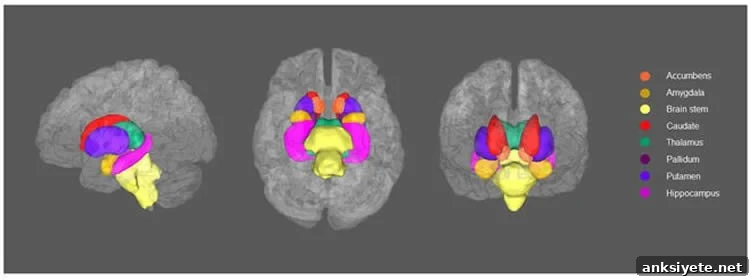
Summary: A new Northwestern Medicine study reveals continuous communication between the human brain’s social cognitive network — the regions responsible for understanding others’ thoughts and intentions — and the amygdala, the evolutionarily older structure that evaluates emotional significance and threat. High-resolution functional MRI (fMRI) scans show that this link allows social reasoning networks to access … Read more

How the Brain Uses Predictability and Randomness to Time Actions

featured 40907

Summary: A new study finds that when an action is executed the brain combines predictable and random components, processed in distinct frontal regions. Source: Champalimaud Center For The Unknown. Deciding when to act can be as important as deciding what to do. Even under tightly controlled laboratory conditions, the precise timing of an action often … Read more

Scientists Restore Neurons in Dementia Mouse Model

featured 56603

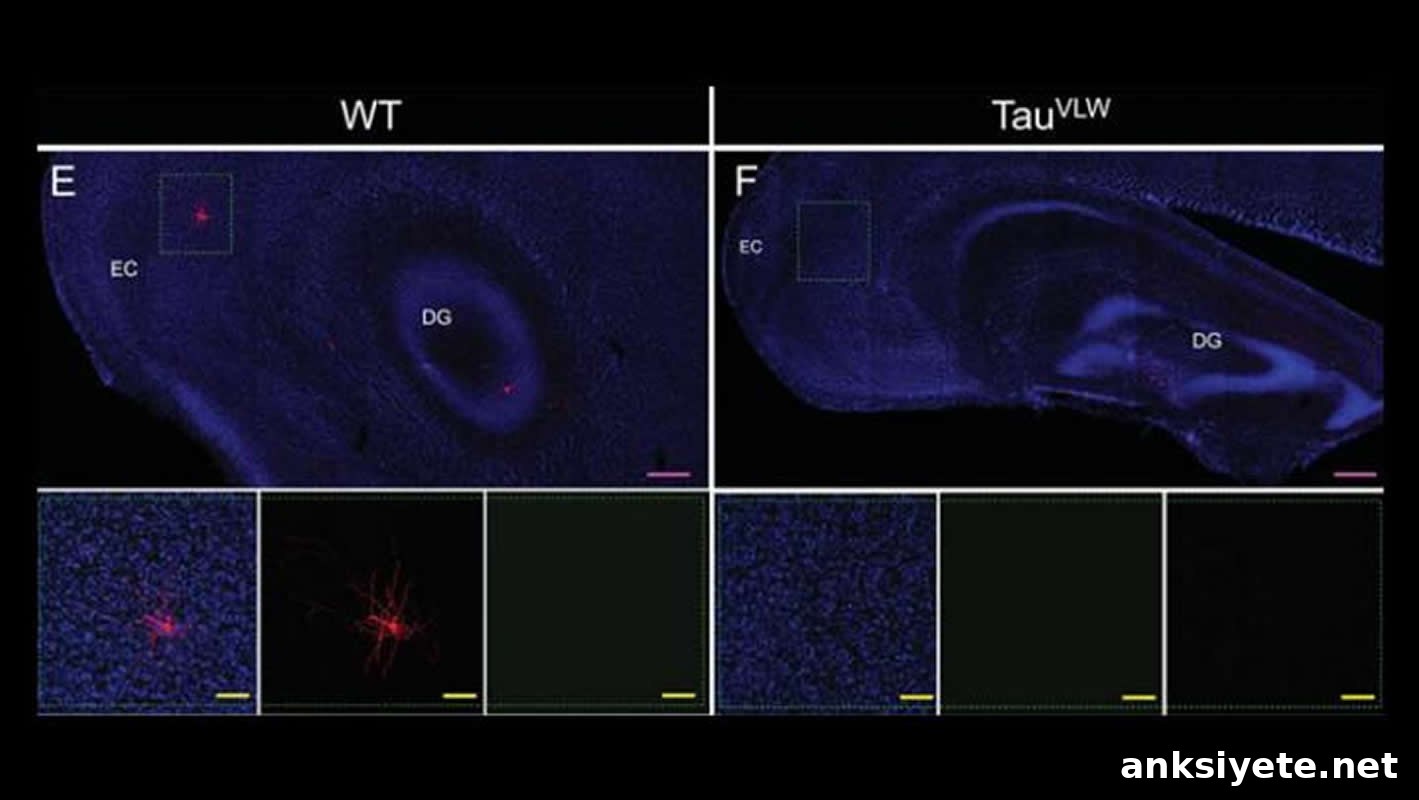
Summary: Chemically stimulating specific neurons and providing an enriched environment reverses structural and connectivity changes in a mouse model of frontotemporal dementia, restoring aspects of neural circuitry. If these findings translate to humans, they could inform new approaches to reduce cognitive decline in dementia. Source: SfN New research shows that dysfunctional neurons in the hippocampus … Read more

How Depression Changes Brain Structure

featured 42278

Summary: A large brain imaging study finds reduced white matter integrity in people with major depressive disorder, highlighting structural changes that may underlie symptoms of depression. Source: University of Edinburgh Major new imaging research identifies alterations in brain wiring associated with depression. Researchers have identified structural changes in the brains of people who have experienced … Read more