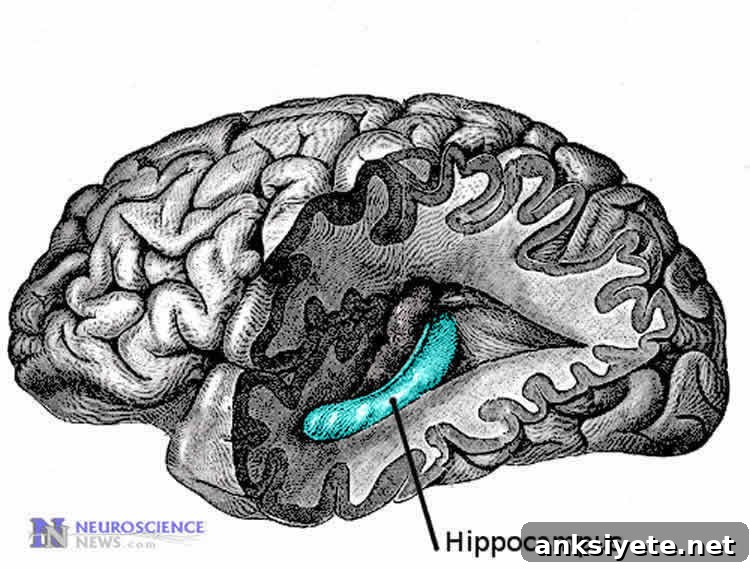
Study Shows Memory Becomes Vulnerable After Fear Erasure

featured 8901

Fear responses can be erased when new learning occurs during memory retrieval, a University of Amsterdam study finds Scientists at the University of Amsterdam (UvA) report that an acquired fear response can be permanently disrupted, but only when the person retrieves the fear memory while simultaneously learning something new. Published in the journal Science, this … Read more
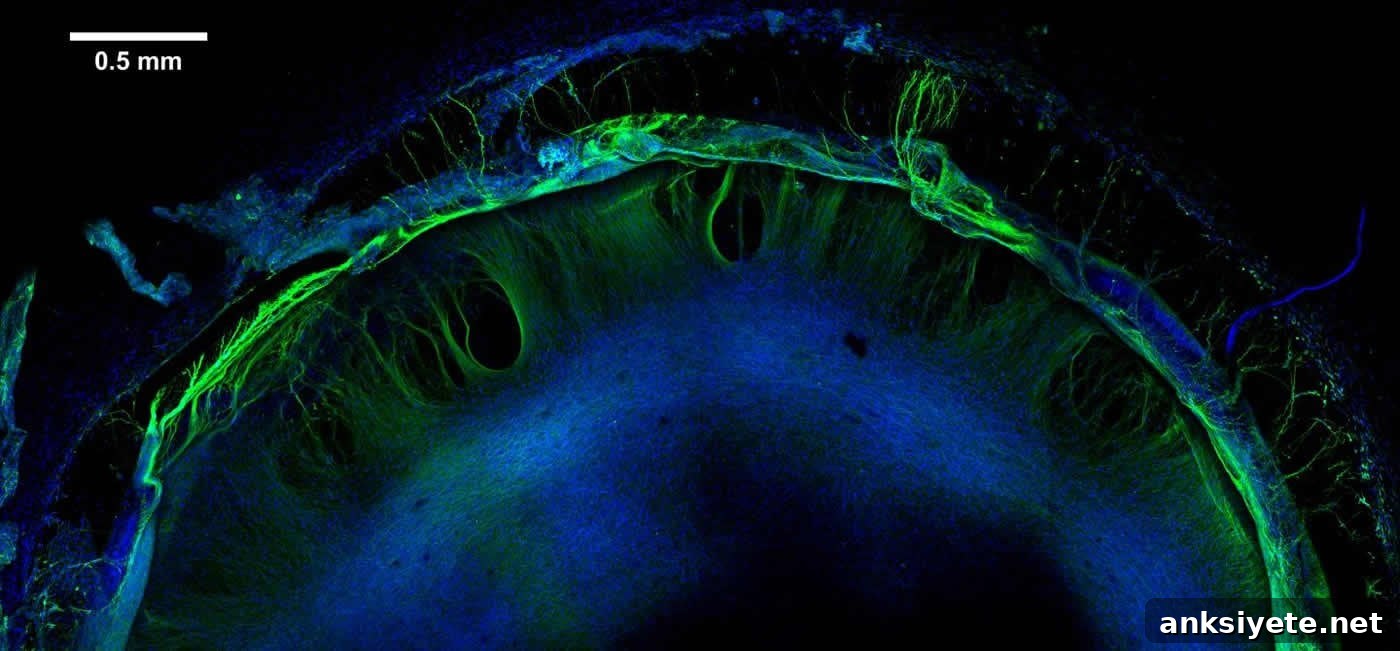
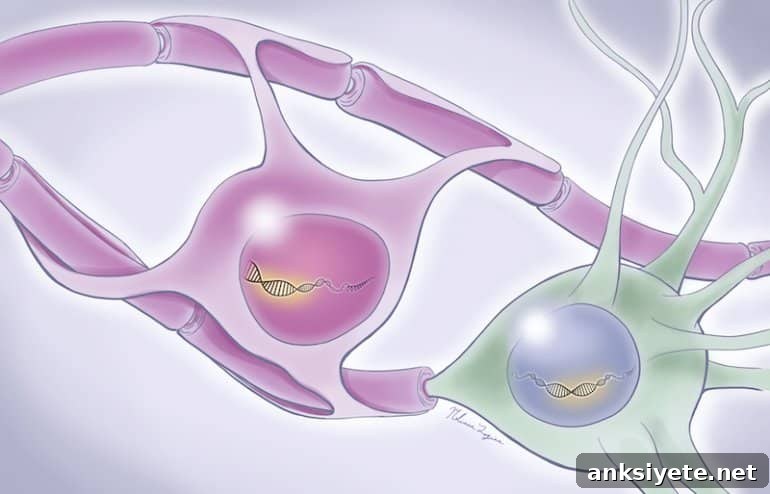
How Stem Cell-Derived Brain Organoids Predict Neurotoxicity

featured 23770

Stem cell–derived 3D neural constructs enable rapid, accurate screening for developmental neurotoxicity Researchers at the Morgridge Institute for Research and the University of Wisconsin–Madison have developed a faster, lower-cost, and more biologically relevant screening approach to detect chemicals and drugs that may harm the developing human brain. Published in the Sept. 21, 2015 issue of … Read more

Researchers Identify Memory Encoding Genes in the Brain

featured 72368

Summary: Researchers identified roughly 300 genes associated with brain oscillations tied to memory formation and narrowed these to a set of hub genes that coordinate distinct gene networks. The gene SMAD3 emerges as a likely master regulator influencing many of these hubs and their downstream targets. Source: UT Southwestern Medical Center UT Southwestern investigators have … Read more

Study Finds Stuttering Linked to Specific Brain Network

featured 102564

Summary: A new international study has identified a common brain network linked to stuttering, regardless of whether stuttering began developmentally or after brain injury. Researchers found that strokes that produced stuttering and cases of developmental stuttering both implicate the same deep-brain regions and their connections. These results point to potential targeted treatments, such as focused … Read more

Autistic and Non-Autistic People Communicate Equally Well

featured 110009

Summary: A new study from the University of Edinburgh challenges the widespread belief that autistic people are less effective communicators than non-autistic people. Using a large diffusion-chain experiment (N = 311), researchers found no measurable difference in how accurately information was transmitted within autistic-only, non-autistic-only, or mixed groups. The results indicate that communication difficulties often … Read more

Study Links Trauma and Poverty to Brain Changes in Schizophrenia

featured 117742

Summary: Adverse social determinants of health — including childhood trauma, poverty, discrimination and social isolation — are linked to measurable structural, functional and neurochemical brain changes that associate with schizophrenia-spectrum disorders. Understanding these links offers a critical opportunity for earlier identification of at-risk individuals and targeted interventions to build resilience and prevent progression to severe … Read more

Only 6% of Global COVID-19 Infections Are Detected

featured 63832

Summary: A study from the University of Göttingen shows that official counts of confirmed COVID-19 cases substantially understate the true number of infections. Using mortality-based estimates and reported time-to-death statistics, researchers conclude that on average only about 6% of infections were detected. The real global infection total by late March 2020 may already have reached … Read more

Less Computer Use Could Signal Early Cognitive Decline

featured 29484

A new study highlights a simple, everyday activity that may help reveal early signs of Alzheimer’s disease before any cognitive symptoms appear: using a home computer. An early online version of the peer-reviewed paper has been released and will appear in the Journal of Alzheimer’s Disease. Researchers at Oregon Health & Science University (OHSU) report … Read more

Scientists Pinpoint Brain Region for Attention Control

featured 101374

Summary: Deep brain stimulation (DBS) of the subthalamic nucleus, a widely used treatment for Parkinson’s disease, reliably improves motor symptoms such as tremor and rigidity. New research from the University of Iowa shows that the same intervention can also alter how the brain redirects attention, revealing a likely neural basis for some cognitive and behavioral … Read more

Low Maternal Vitamin D During Pregnancy Linked to Lower Child IQ

featured 69100

Summary: Higher maternal vitamin D levels during pregnancy were associated with higher IQ scores in children at ages 4–6. Source: Seattle Children’s Vitamin D is a vital nutrient with multiple roles in the body, including contributions to brain development. A mother’s vitamin D status during pregnancy influences the amount transferred to the fetus and may … Read more