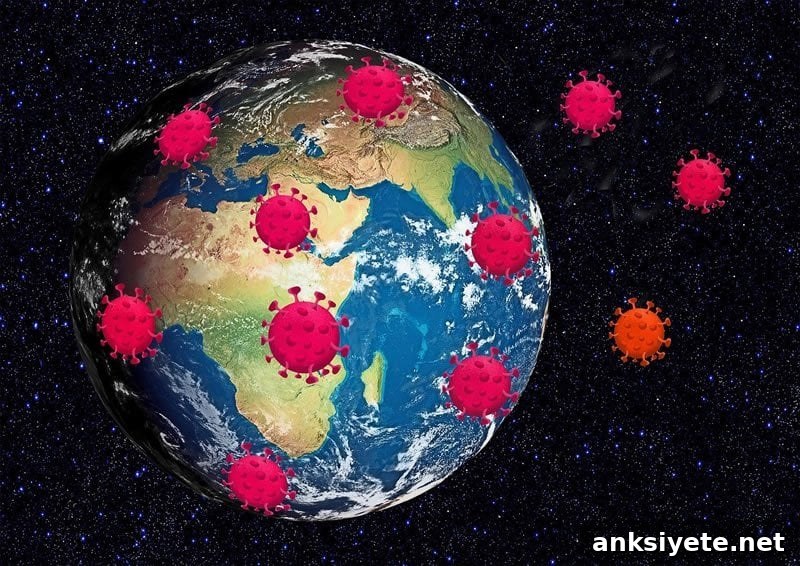
Summary: A study from the University of Göttingen shows that official counts of confirmed COVID-19 cases substantially understate the true number of infections. Using mortality-based estimates and reported time-to-death statistics, researchers conclude that on average only about 6% of infections were detected. The real global infection total by late March 2020 may already have reached several tens of millions.
Source: University of Göttingen
The official confirmed case counts for COVID-19 that governments publish and media report are likely to be a severe underestimate of total infections, according to new research by Dr Christian Bommer and Professor Sebastian Vollmer at the University of Göttingen. The researchers evaluated the quality of national case records by applying estimates of infection fatality and the time from infection to death, using parameters reported in a recent study in The Lancet Infectious Diseases. Their analysis indicates that many countries have detected only a small fraction of actual SARS-CoV-2 infections — on average roughly 6% — implying the true number of infections worldwide was far higher than reported case counts.
The approach used by the authors compares reported COVID-19 deaths with expected fatality rates and known delays from infection to death to infer how many infections must have occurred earlier to produce the observed mortality. This back-calculation helps reveal how many cases likely went undetected because of limited testing, delays in testing, or restrictive testing criteria. The findings highlight how differences in testing capacity and strategy between countries can produce vastly different detection rates and misleading case statistics when interpreted in isolation.
According to the Göttingen analysis, detection rates vary widely. Germany appears to have identified a comparatively larger share of infections, with an estimated detection rate of about 15.6%. By contrast, Italy and Spain show much lower detection rates, approximately 3.5% and 1.7% respectively. The United States and the United Kingdom had even lower estimated detection rates of roughly 1.6% and 1.2%, figures that reflect concerns raised by public health experts about delayed responses and constrained testing in those countries.
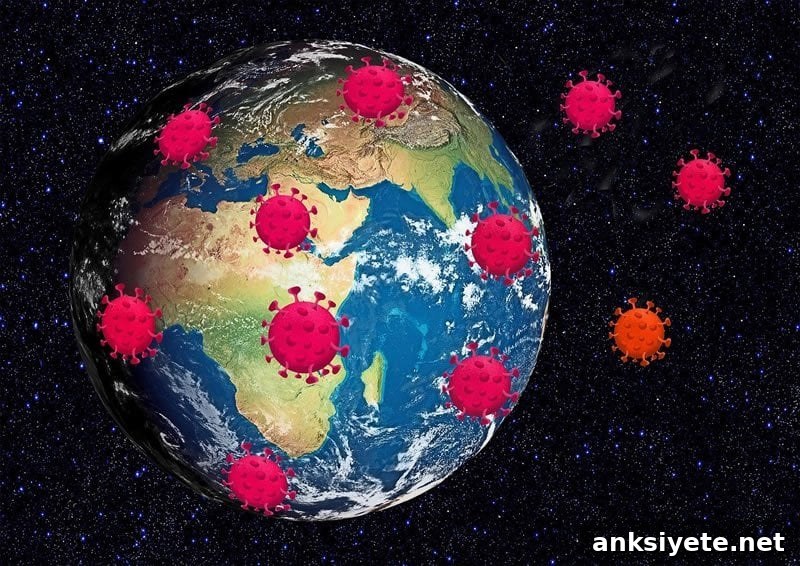
Using the same method, Bommer and Vollmer produced country-level estimates for the end of March 2020. On 31 March 2020 they estimate Germany had roughly 460,000 infections. Their calculations suggest that the United States had more than ten million infections, Spain had more than five million, Italy around three million, and the United Kingdom around two million. For context, Johns Hopkins University reported fewer than 900,000 confirmed cases globally on that date, which underscores the gap between confirmed case counts and model-based estimates of total infections.
Sebastian Vollmer, Professor of Development Economics at the University of Göttingen, warns that these results call for caution: policymakers should be careful when using official case numbers for planning. Differences in the quantity and timing of testing mean that raw case counts are not directly comparable and can be misleading for decisions about public health measures. Christian Bommer adds that substantial improvements in the ability to detect infections and to contain virus spread are urgently needed if governments hope to better understand and manage the pandemic.
The study does not claim precise certainty for every country estimate; rather, it highlights large-scale under-ascertainment driven by limited testing and reporting delays. While mortality-based back-calculation relies on assumptions about fatality rates and delays that can vary by population and health system, the broad conclusion — that a majority of infections went undetected in many countries — is robust to those uncertainties. This has clear implications for epidemic surveillance: expanded, timely testing and consistent reporting standards are essential for obtaining usable case data and for evaluating the effects of interventions such as social distancing, contact tracing and targeted quarantines.
The Göttingen findings also emphasize the importance of interpreting case counts alongside other indicators, including hospital admissions, test positivity rates, and serological studies that measure past infection. Where available, such complementary data can help triangulate the true scale of transmission and guide more effective public health responses.
About this coronavirus research article
Source:
University of Göttingen
Media Contacts:
Sebastian Vollmer – University of Göttingen
Image Source:
The image is in the public domain.
Feel Free To Share This COVID-19 News.