A new study highlights a simple, everyday activity that may help reveal early signs of Alzheimer’s disease before any cognitive symptoms appear: using a home computer.
An early online version of the peer-reviewed paper has been released and will appear in the Journal of Alzheimer’s Disease.
Researchers at Oregon Health & Science University (OHSU) report a clear association between reduced daily computer use and brain imaging changes commonly observed in the earliest stages of Alzheimer’s disease.
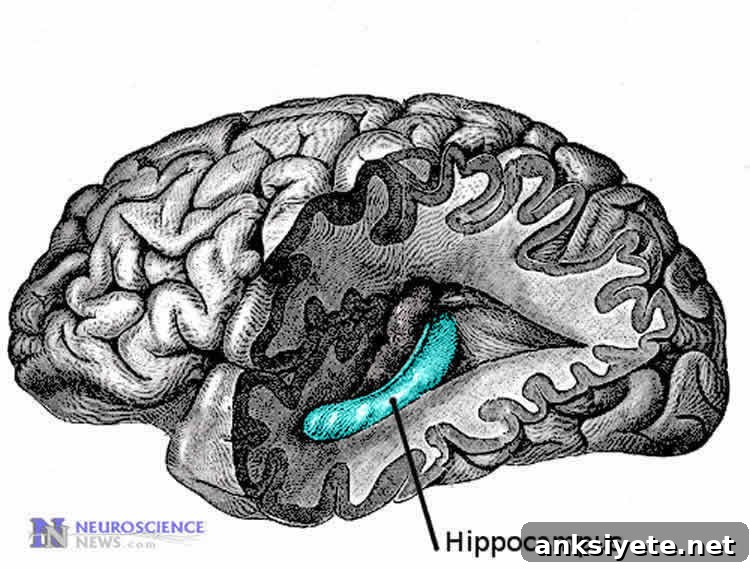
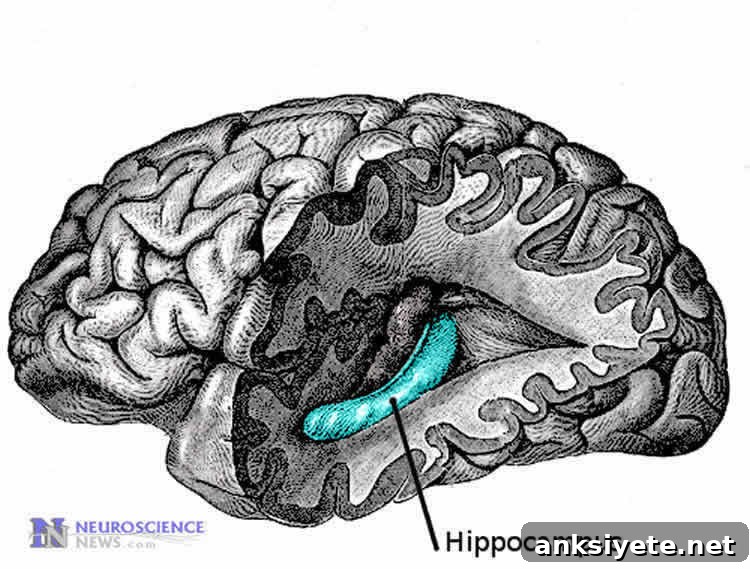
The team used MRI scans to measure hippocampal volume — the size of the hippocampus, a brain region critically involved in memory and learning — in adults aged 65 and older who were cognitively normal and showed no signs of dementia. Reduced hippocampal volume is a well-established biomarker linked to Alzheimer’s pathology and an increased risk of developing dementia.
Led by Lisa Silbert, M.D., from the OHSU Layton Center for Aging & Alzheimer’s Disease, the study found that each additional hour of computer use per day was associated with a 0.025 percent larger hippocampal volume. In other words, participants who used their computers less tended to have smaller hippocampi, a structural change that may indicate elevated risk for future cognitive decline.
Silbert and colleagues suggest a possible explanation: daily computer use draws on several cognitive abilities at once — including executive function, sustained attention, and memory — so a drop in time spent using a computer could reflect subtle, early impairment in these domains.
For nine years the research team has followed a group of volunteers in Portland using unobtrusive home-based sensors and embedded technology. These monitoring tools capture everyday behaviors such as mobility, sleep patterns, social engagement, medication adherence, and computer activity. The goal of continuous, in-home monitoring is to detect meaningful changes in daily life without requiring participants to take cognitive tests or make frequent clinic visits.
Source: Daphne Watrin – IOS Press
Image source: Public domain image
Original research: Full open access research article “Less Daily Computer Use is Related to Smaller Hippocampal Volumes in Cognitively Intact Elderly” by Silbert, Lisa C.; Dodge, Hiroko H.; Lahna, David; Promjunyakul, Nutta-on; Austin, Daniel; Mattek, Nora; Erten-Lyons, Deniz; and Kaye, Jeffrey A. in Journal of Alzheimer’s Disease. Published online March 9, 2016. doi:10.3233/JAD-160079
Abstract
Less Daily Computer Use is Related to Smaller Hippocampal Volumes in Cognitively Intact Elderly
Background:
As computer use becomes a routine part of life for many older adults, prior work has shown that time spent online tends to decline in people who develop mild cognitive impairment (MCI). However, the relationship between the amount of daily computer use and brain imaging markers of neurodegeneration has not been well characterized.
Objective:
This study examined whether average daily computer use correlates with volumetric MRI measures of brain regions vulnerable to Alzheimer’s disease.
Methods:
Cognitively intact volunteers enrolled in the Intelligent Systems for Assessing Aging Change study underwent brain MRI. Daily computer use was measured in each participant’s home by detecting mouse movements and was averaged over a one-month period surrounding the MRI scan. Researchers used Spearman’s rank correlation for univariate analysis and linear regression models for multivariate analysis to test relationships between daily computer use and volumes of the hippocampus, total gray matter (GM), white matter hyperintensities (WMH), and ventricular cerebrospinal fluid (vCSF). Voxel-based morphometry was applied to identify regional associations between gray matter density and computer use.
Results:
Twenty-seven participants who were cognitively intact averaged 51.3 minutes of computer use per day. Lower daily computer use was significantly associated with smaller hippocampal volumes (r = 0.48, p = 0.01), while no significant associations were found for total gray matter volume, WMH, or vCSF. After adjusting for age, education, and gender, the link between reduced computer use and smaller hippocampal volume remained statistically significant (p = 0.01). Voxel-wise analysis localized the association to decreased gray matter density in the bilateral hippocampi and temporal lobes.
Conclusions:
Less daily computer use is associated with reduced brain volume in regions that are critical for memory and are among the first affected in Alzheimer’s disease. Continuous, passive monitoring of everyday activities such as computer use may provide a practical, noninvasive way to detect preclinical neurodegenerative changes in older adults who are at risk for dementia.