Sleep Learning: How Sleep Strengthens Synapses and Memory

featured 111256

Summary: New computational research explains how synaptic connections in the cerebral cortex can strengthen during sleep, clarifying mechanisms by which the brain continues to process and consolidate information while we rest. Using detailed neural network simulations, the study shows that synaptic activity during sleep follows established synaptic learning rules when neuronal firing reaches certain thresholds, … Read more

Gut Microbiome Changes Linked to Alzheimer-Like Behavior

featured 71847

Summary: New research links variations in the gut microbiome with differences in behavior, cognition, and gene regulation in mice carrying Alzheimer’s-related genes. Source: Oregon Health and Science University New findings in mice, published in the journal Scientific Reports, add to growing evidence that the gut microbiome influences neurodegenerative processes relevant to Alzheimer’s disease. Researchers at … Read more

Persistent HIV in the Brain Tied to Cognitive Decline

featured 58069

Summary: HIV can persist in the nervous system even when standard blood tests show viral suppression. This hidden viral material in cerebrospinal fluid (CSF) cells is linked to ongoing problems with memory and concentration for some people on long-term antiretroviral therapy (ART). Source: NIH/NIAID New findings reveal that many people living with HIV who are … Read more

The Surprising Impact of Random Acts of Kindness

featured 85581

Summary: People often underestimate how much positive emotion recipients experience when they receive random acts of kindness. Source: UT Austin New research from The University of Texas at Austin shows that small, everyday acts of kindness—like giving a friend a ride or bringing a meal to a sick relative—boost happiness for recipients more than givers … Read more

How Mindfulness Affects Memory Accuracy

featured 23388

Mindfulness Meditation May Increase Susceptibility to False Memories, New Study Finds A new study published in Psychological Science reports that a short mindfulness meditation session can make people more likely to confuse imagined events with real ones. Researchers found that participants who completed a 15-minute mindfulness exercise were more prone to falsely recall or recognize … Read more

Marijuana Lowers Hippocampal Blood Flow, Raises Alzheimer’s Risk

featured 36736

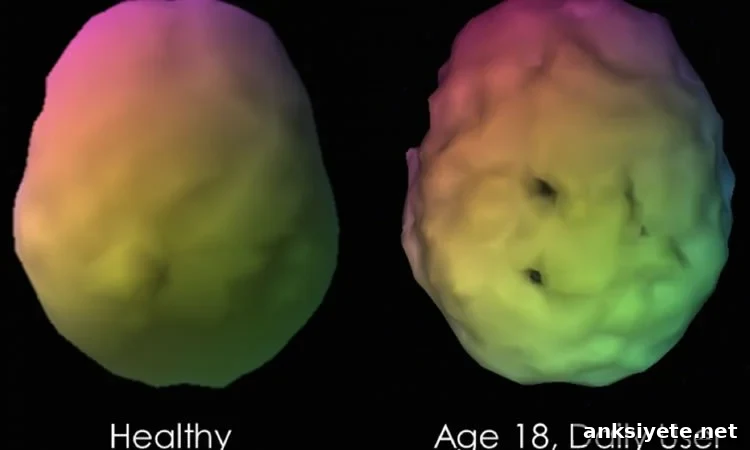
Summary: A large brain imaging study finds that marijuana users show reduced blood flow to the hippocampus, the brain region critical for memory and learning, which could indicate increased vulnerability to Alzheimer’s disease. Source: IOS Press. Hippocampus, the brain’s key memory and learning center, shows the lowest blood flow in marijuana users, suggesting greater vulnerability … Read more

Neurons in Severe Obesity Show Altered Appetite Hormone Response

featured 48095

Summary: Researchers report that hypothalamic-like neurons generated from super-obese individuals show altered regulation of hormones that control hunger and feeding behavior. Source: Cell Press US researchers have converted blood and skin cells from super-obese individuals and normal-weight volunteers into hypothalamic-like neurons using human induced pluripotent stem cell (hiPSC) technology. Cells derived from super-obese donors displayed … Read more

Brains of Teens with Severe Behavioral Disorders Wired Differently

featured 48392

Summary: New neuroimaging research shows that adolescents with conduct disorder exhibit altered connectivity between the prefrontal cortex and the amygdala, which may explain difficulties in emotion regulation and an increased risk of mood problems. Source: University of Bath. New research offers important insights into why some young people with severe antisocial behaviour struggle to regulate … Read more

New Brain Cell Subset Guided by Gut Signals Reduces Inflammation

featured 70719

Summary: Researchers have identified a microbiome-regulated, anti-inflammatory subset of astrocytes that helps control central nervous system inflammation and points toward new therapeutic possibilities. Source: Brigham and Women’s Hospital Astrocytes, the most abundant glial cells in the central nervous system (CNS), have long been thought to primarily support neurons. Over recent years, however, studies have shown … Read more

Molecular Mechanisms Underlying Touch Sensation

featured 6060

MDC researchers identify new function of a well-known gene Researchers at the Max Delbrück Center for Molecular Medicine (MDC) in Berlin-Buch have discovered that the gene c-Maf, long recognized for its role in lens development, is also essential for the formation and function of mechanosensory neurons responsible for touch. This finding links a well-known transcription … Read more