How Pandemic Loneliness Distorted Our Sense of Time

featured 102851

Summary: A University of York study found that loneliness and social isolation during the Covid-19 pandemic produced widespread confusion about time and disrupted social orientation. Surveying 3,306 respondents in France during a period of strict lockdown and curfew, researchers uncovered a strong association between social isolation and what they describe as “temporal disorientation,” with young … Read more

Spinal Cord Injury Treatment: Latest Advances and Recovery

featured 67156

Summary: A new implantable osmotic transport device removes excess fluid from the injured spinal cord to reduce swelling in rat models of spinal cord injury (SCI). Source: UCR Spinal cord injuries often trigger rapid swelling that compresses tissue, restricts blood flow and worsens damage to motor, sensory and autonomic functions. Quickly limiting this edema in … Read more

Study Finds Brain Plasticity Varies by Functional Network

featured 27725

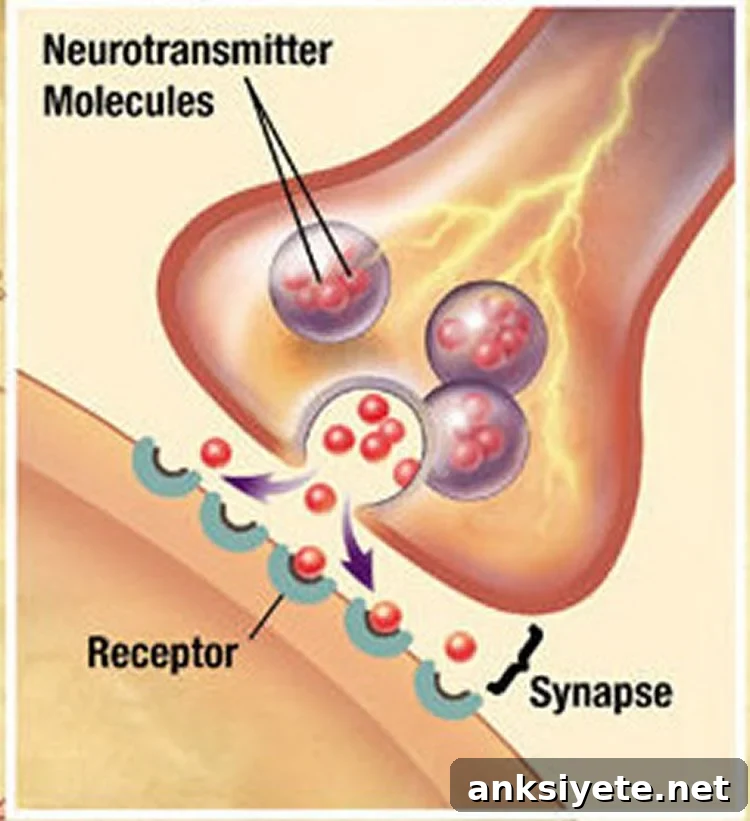
Researchers uncover how neighboring brain cells differ in their ability to change with experience Scientists at the Virginia Tech Carilion Research Institute have reported an important discovery about how individual brain cells vary in their capacity for experience-driven change. Their findings, published in PLOS ONE, reveal striking differences in how synapses— the specialized junctions between … Read more

How Children Adapt Their Behavior in Different Social Settings

featured 91678

Summary: Young children interpret social cues in context and then evaluate possible actions to select the behavior that offers the greatest benefit. This value-driven decision process explains how infants flexibly adapt social behaviors such as gaze-following to different situations. Source: Doshisha University Social relationships and interaction are central to human life, and the ability to … Read more

Researchers Reveal Pathway Behind Common Brain and Spinal Tumor

featured 6637

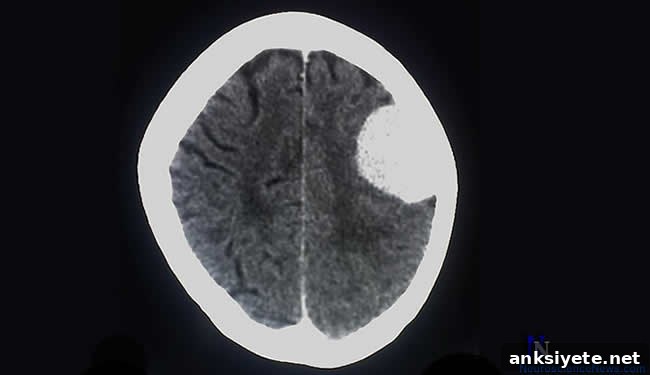
Johns Hopkins scientists hope discovery will drive drug treatments. Researchers at Johns Hopkins University School of Medicine report a major advance in understanding the cellular mechanisms that drive meningioma, the most common type of brain and spinal cord tumor. Published in Molecular Cancer Research, the new study identifies a critical pathway that becomes dysregulated in … Read more

MRI Scans Detect Early Parkinson’s Disease

featured 15034

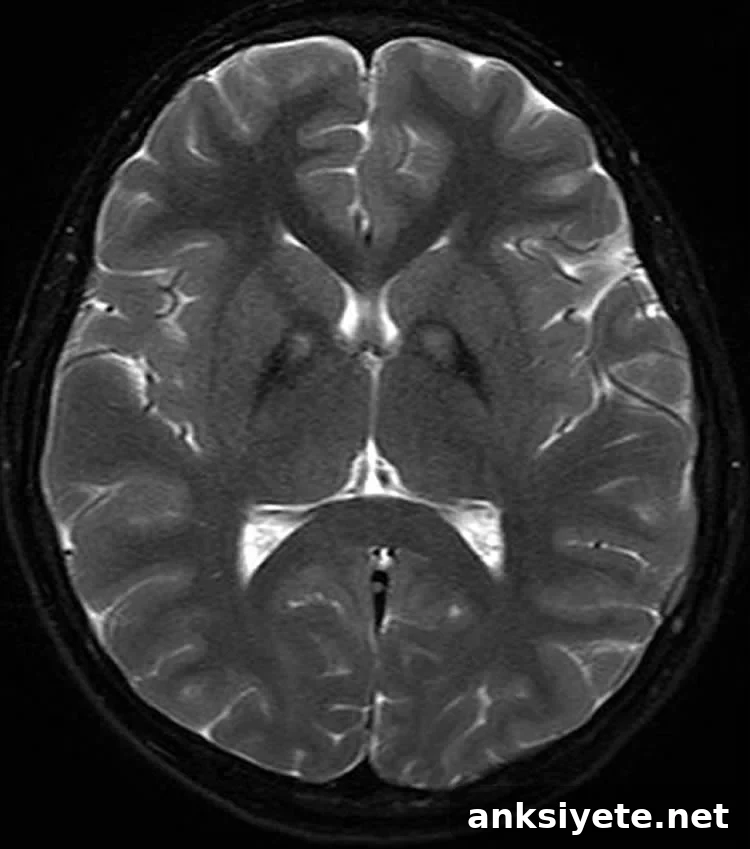
Oxford University researchers, with funding from Parkinson’s UK, have developed a rapid MRI method that shows promise for detecting Parkinson’s disease at an early stage. In a study published in the medical journal Neurology, the Oxford team reports that their noninvasive MRI approach identified people with early-stage Parkinson’s disease with 85% accuracy in a validation … Read more

How Social Dance Synchronizes Brains and Builds Bonds

featured 108773

Summary: New research reveals how brains synchronize during partnered dancing, highlighting the central roles of shared rhythm and visual contact. When two dancers moved to the same song and could see one another, a distinct neural signature emerged that supports social coordination. Surprisingly, the strongest neural responses were tied to subtle vertical knee-bouncing, suggesting these … Read more

Dopamine’s New Role Alters Genes Linked to Cocaine Addiction

featured 64040

Summary: Lowering levels of H3Q5dop in rat models during cocaine withdrawal reversed cocaine-driven changes in gene expression and reduced drug-seeking behaviors. Source: Mount Sinai Hospital Researchers at the Icahn School of Medicine at Mount Sinai have identified a previously unrecognized role for dopamine that operates independently of classic synaptic transmission. Their findings, published in the … Read more

Engineers Create Nanoparticles That Cross the Blood-Brain Barrier

featured 83300

Summary: MIT researchers have engineered drug-loaded nanoparticles that cross the blood-brain barrier more effectively than conventional drugs. In a realistic human tissue model, these particles reached tumor tissue and killed glioblastoma cells. Source: MIT Glioblastoma is an aggressive brain cancer with limited treatment options and a high mortality rate. One major obstacle to effective therapy … Read more

Stem Cell Therapy May Slow Progressive Multiple Sclerosis

featured 98529

Summary: An international team has completed a first-in-human study evaluating neural stem cell injections into the brains of people with progressive multiple sclerosis (MS). The early-stage trial found the procedure to be safe and well tolerated over 12 months and produced signals consistent with a neuroprotective effect that may help stabilise disease progression. This experimental … Read more