
Summary: Exercise increases breathing in mice, which raises the oxygen content of hemoglobin and delivers more oxygen to the brain.
Source: Penn State
New research challenges the longstanding belief that mammalian blood is always fully saturated with oxygen. An international team led in part by researchers at Penn State found that increased respiration during exercise can boost the amount of oxygen carried by blood and thereby increase brain oxygenation in mice.
“The conventional view has been that blood in mammals is essentially fully saturated with oxygen at all times,” said Patrick J. Drew, Huck Distinguished Associate Professor of Neural Engineering and Neurosurgery and associate director of the Penn State Neuroscience Institute. If blood were always fully saturated, the only way to supply more oxygen to the brain during increased demand would be to increase blood flow. The research team set out to examine whether natural behaviors—particularly locomotion—alter brain oxygen levels in other ways.
“We already know that breathing patterns change during many cognitive and behavioral tasks,” Drew added. “Respiration often synchronizes with the task at hand. In the brain, increased neural activity usually coincides with increased blood flow, but the mechanisms that control oxygen delivery during behavior were still unclear.”
To investigate, the researchers observed awake mice that could voluntarily walk or run on a treadmill while continuously recording respiration, neural activity, cerebral blood flow and tissue oxygenation. They focused on several accessible brain regions: the somatosensory cortex, the frontal cortex (involved in higher-level cognitive processes) and the olfactory bulb (involved in smell).
Qing Guang Zhang, a postdoctoral fellow in engineering science and mechanics, summarized the hypothesis: “We expected that changes in brain oxygenation would track changes in neural activity and local blood flow. For example, if blood flow dropped in the frontal cortex, we predicted oxygen levels there would fall.”
“That was what we thought would happen, but then we realized that respiration was sustaining the oxygen levels.”
The experiments showed that increases in respiration during locomotion packed additional oxygen into hemoglobin, meaning blood oxygen content rose above previously assumed baseline levels. In other words, breathing itself—not only increased blood flow—was able to boost oxygen delivery to the brain.
Measurements were made with multiple, complementary techniques—polarography, spectroscopy and two-photon phosphorescence lifetime sensing—to quantify oxygen levels in both tissue and arterial blood supplying the brain. The team also performed experiments in which they suppressed neural activity and blocked activity-dependent increases in blood flow (functional hyperemia) to isolate the contribution of respiration to oxygenation.
According to the report published in Nature Communications, the respiration-linked oxygen increase persisted even when neural activity and functional hyperemia were pharmacologically blocked. The increased oxygenation occurred within brain tissue and in the arteries that feed the brain, and it correlated tightly with both respiration rate and the phase of the breathing cycle.
The researchers conclude that breathing rate provides a dynamic and previously underappreciated pathway for modulating cerebral oxygenation. This finding suggests that respiration should be monitored and considered when interpreting hemodynamic imaging signals such as BOLD fMRI, where oxygenation changes are used as indirect markers of neural activity.
Contributors from Penn State included Kyle W. Gheres (graduate student, molecular, cellular and integrative biosciences), Ravi Kedrasetti (doctoral student, engineering science and mechanics), and William D. Haselden (M.D./Ph.D. student, Medical Scientist Training Program and Neuroscience Graduate Program), in addition to Drew and Zhang. Collaborators at the Institut de la Santé et de la Recherche Médicale in Paris included Morgane Roche (graduate student), Emmanuelle Chaigneau (postdoctoral researcher), and Serge Charpak (professor of neuroscience).
Funding: This work was supported by the McKnight Endowment Fund for Neuroscience and the National Institutes of Health.
Source:
Penn State
Media Contacts:
A’ndrea Elyse Messer – Penn State
Image Source:
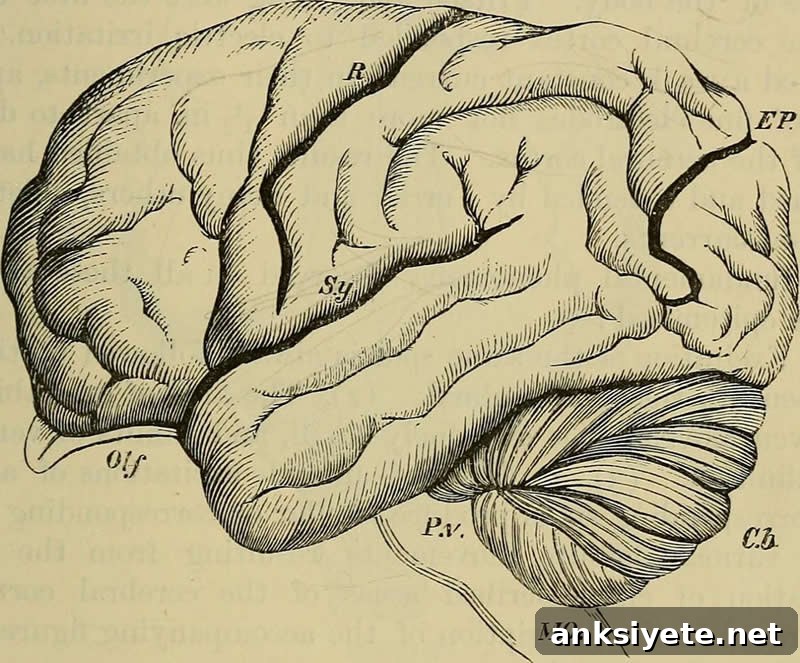
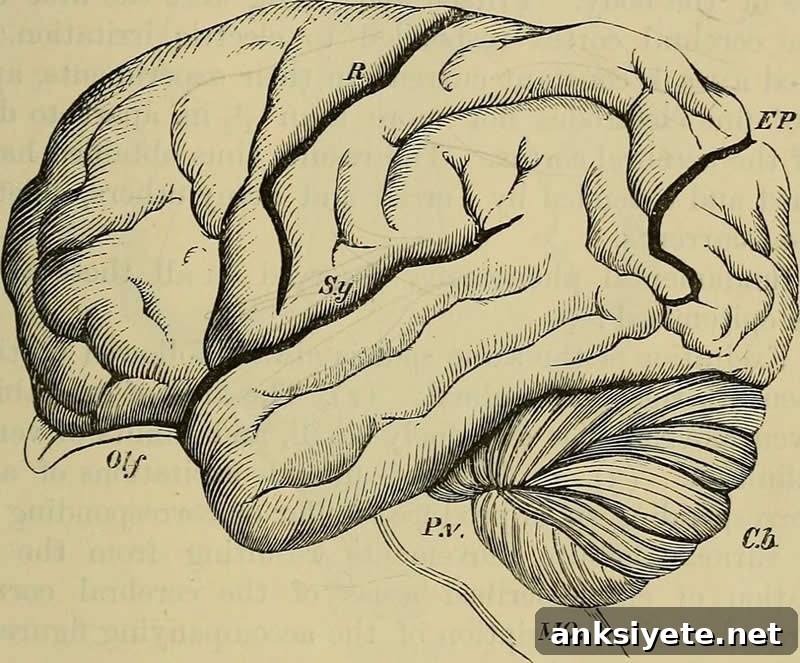
Handbook of Physiology, 1892 William Morrant Baker.
Original Research: Open access. Title: “Cerebral oxygenation during locomotion is modulated by respiration”. Authors: Qingguang Zhang, Morgane Roche, Kyle W. Gheres, Emmanuelle Chaigneau, Ravi T. Kedarasetti, William D. Haselden, Serge Charpak & Patrick J. Drew. Published in Nature Communications. DOI: 10.1038/s41467-019-13523-5.
Abstract (summary): Increased neural activity in the brain is typically accompanied by greater cerebral blood flow and higher tissue oxygenation, but the mechanisms that control oxygen dynamics during natural behavior were not fully understood. Using polarography, spectroscopy, and two-photon phosphorescence lifetime imaging in awake, head-fixed mice during locomotion, the authors found that locomotion produces a widespread increase in cerebral oxygenation—including in motor-related areas, the frontal cortex, and the olfactory bulb. This oxygenation rise persisted when neural activity and functional hyperemia were blocked, appeared both in tissue and feeding arteries, and was strongly linked to respiration rate and the breathing cycle phase. These results identify breathing rate as a key modulator of cerebral oxygenation and underscore the importance of monitoring respiration during hemodynamic imaging studies.