
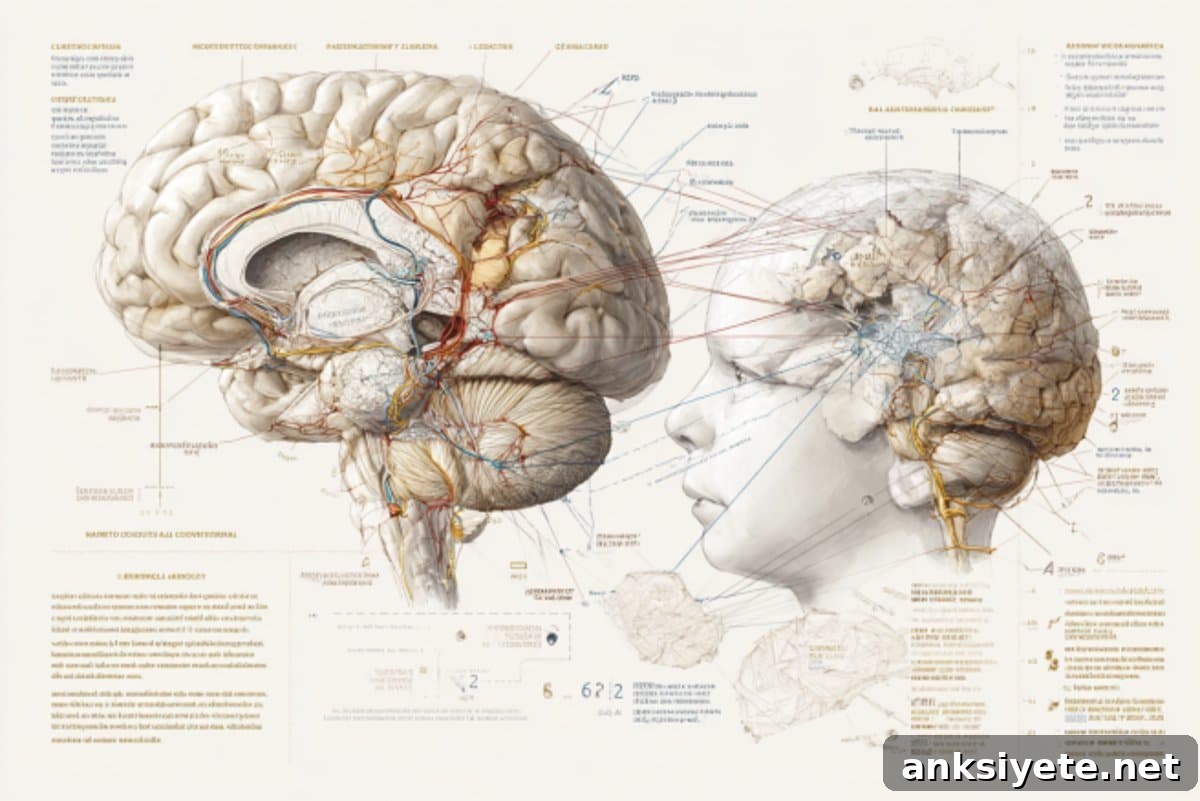
Summary: New research reveals that the brain networks that process pain in infants develop in stages. While the neural circuits that allow babies to sense pain mature before birth, the circuits responsible for emotional and cognitive responses to pain continue to develop after birth. Researchers scanned 372 newborns—mostly born prematurely—to map how three distinct brain subsystems linked to pain perception mature over time.
The study found that infants can detect painful stimuli around 34–36 weeks after conception, but their emotional reactions and interpretive understanding of pain emerge later. These results shed light on why preterm infants often respond differently to repeated painful procedures and underscore the need for careful, age-appropriate pain management in neonatal care.
Key Facts:
- Sequential maturation: Sensory pain processing reaches adult-like connectivity around 34–36 weeks post-conception; emotional responses follow at about 36–38 weeks; cognitive appraisal networks are still immature after 42 weeks.
- Incomplete cognitive evaluation: Even full-term infants lack fully mature brain networks for the cognitive interpretation of pain.
- Clinical relevance: Preterm babies may require tailored pain management and careful scheduling of medical procedures while their pain-processing networks are still developing.
Source: UCL
Pain-sensing, emotional response, and cognitive appraisal networks in the infant brain develop at different rates, and the conscious understanding of pain is not fully formed until after birth, according to a new study led by researchers at University College London (UCL).
Published in the journal Pain, the study explored how distinct components of pain processing emerge very early in life by analyzing brain scans from infants born preterm. The research team focused on three core dimensions of pain processing: sensory-discriminative (detecting location, intensity and quality of pain), affective-motivational (the emotional response and unpleasantness of pain), and cognitive-evaluative (the appraisal, interpretation and meaning attributed to pain).
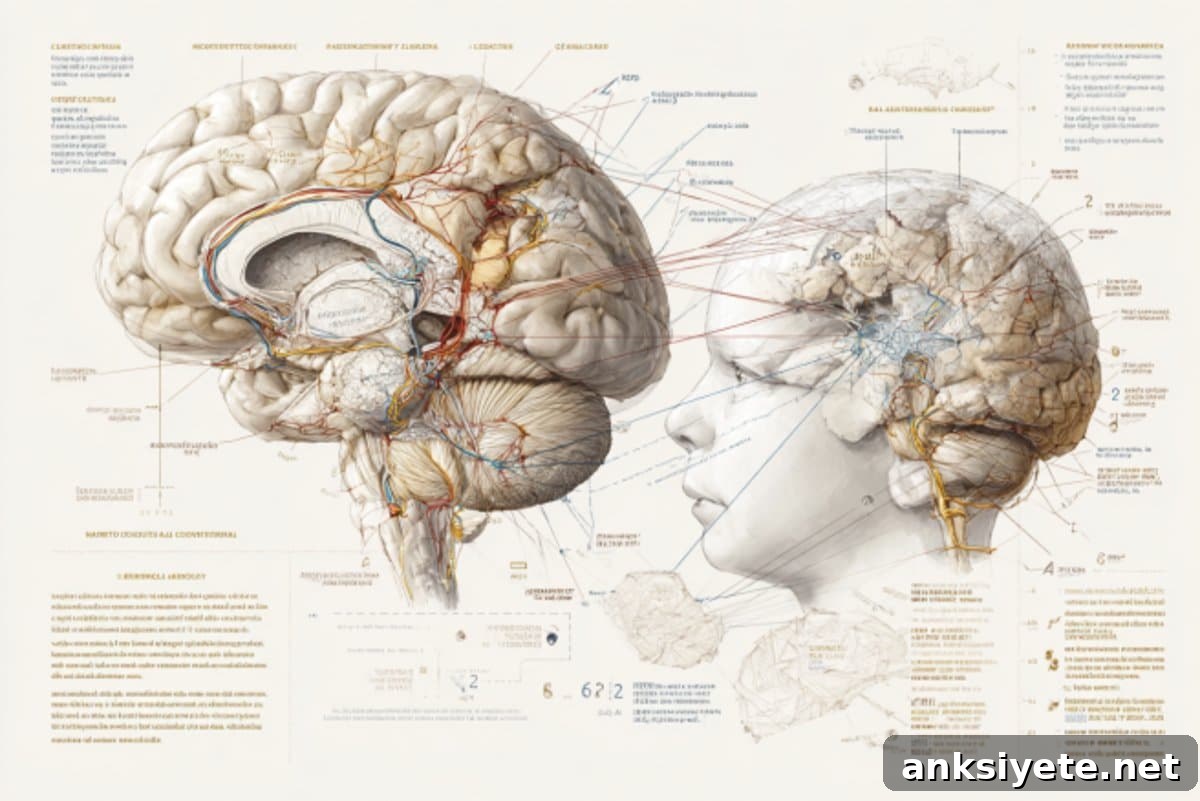
Lead author Professor Lorenzo Fabrizi (UCL Neuroscience, Physiology & Pharmacology) explains: “Pain involves physical sensation, emotion, and cognition. In adults these components are supported by an integrated pain connectome—multiple brain regions working together. In newborns, the same network is not yet fully formed, so the way infants experience pain is likely very different from adults.”
To chart early development of the pain connectome, researchers used high-quality magnetic resonance imaging (MRI) data drawn from two of the largest neonatal brain imaging resources in the world: the Developing Human Connectome Project and the Human Connectome Project. The analysis included resting-state functional MRI from 372 infants aged from under 32 weeks to 42 weeks postmenstrual age, most of whom were born prematurely. All infants were scanned within two weeks of birth to focus on intrinsic brain maturation rather than postnatal experiences.
The team compared infant connectivity patterns with those observed in adults, where the mature pain-processing networks are well characterized. By measuring partial correlations of resting-state BOLD signals across 12 brain regions known to be involved in pain, they assessed the strength and pattern of functional connections within the pain connectome at different ages.
Findings show a clear, staged progression: the sensory-discriminative subnetwork is the first to achieve adult-like connectivity—around 34–36 weeks post-conception—indicating infants gain the basic ability to detect and localize painful stimuli. The affective-motivational network, which underpins the emotional unpleasantness of pain, reaches maturity slightly later at approximately 36–38 weeks. The cognitive-evaluative network, responsible for interpreting and assigning meaning to pain, remains immature beyond 42 weeks, suggesting even full-term newborns do not possess the adult-like neural architecture to evaluate pain cognitively.
These developmental differences may help explain previous observations that preterm infants do not habituate to repeated painful procedures—their responses do not diminish over time as might be expected. Without fully developed appraisal networks, preterm infants may process pain more diffusely and be more vulnerable during critical brain-development windows.
Professor Fabrizi emphasizes the practical implications: “Our results underline the vulnerability of preterm babies to pain during important stages of brain development. This supports the need for informed neonatal care practices, including individualised pain management strategies and careful timing of interventions for newborns.”
Funding: The study received support from the Medical Research Council.
About this pain and neurodevelopment research news
Author: Chris Lane
Source: UCL
Contact: Chris Lane – UCL
Image: The image is credited to Neuroscience News
Original Research: Open access.
“Differential maturation of the brain networks required for the sensory, emotional, and cognitive aspects of pain in human newborns” by Lorenzo Fabrizi et al. (Pain). doi: 10.1097/j.pain.0000000000003619
Abstract
Differential maturation of the brain networks required for the sensory, emotional, and cognitive aspects of pain in human newborns
Pain is a multidimensional experience, encompassing sensory-discriminative, affective-motivational, and cognitive-evaluative components. While the conceptual understanding of pain develops across the lifespan, the timeline for when the underlying brain networks mature has been unclear.
Using two large MRI databases—the Developing Human Connectome Project and the Human Connectome Project—the researchers mapped the development of the pain connectome in infants aged 26–42 weeks postmenstrual age (n = 372) and compared these patterns with adult data (n = 98).
Analysis of resting-state BOLD signals across 12 pain-related brain regions showed that overall functional connectivity is significantly weaker before 32 weeks postmenstrual age compared with adults. Distinct developmental trajectories then emerge across pain subnetworks: the sensory-discriminative network reaches adult-like strength and connectivity by 34–36 weeks, the affective-motivational network by 36–38 weeks, and the cognitive-evaluative network remains immature at term.
These findings reveal a previously unrecognized sequence in the early development of the neural infrastructure required to encode different aspects of pain. Rapid age-related changes during this period suggest that how infants process and experience pain evolves quickly and is unlikely to mirror adult pain processing, even in full-term newborns.